
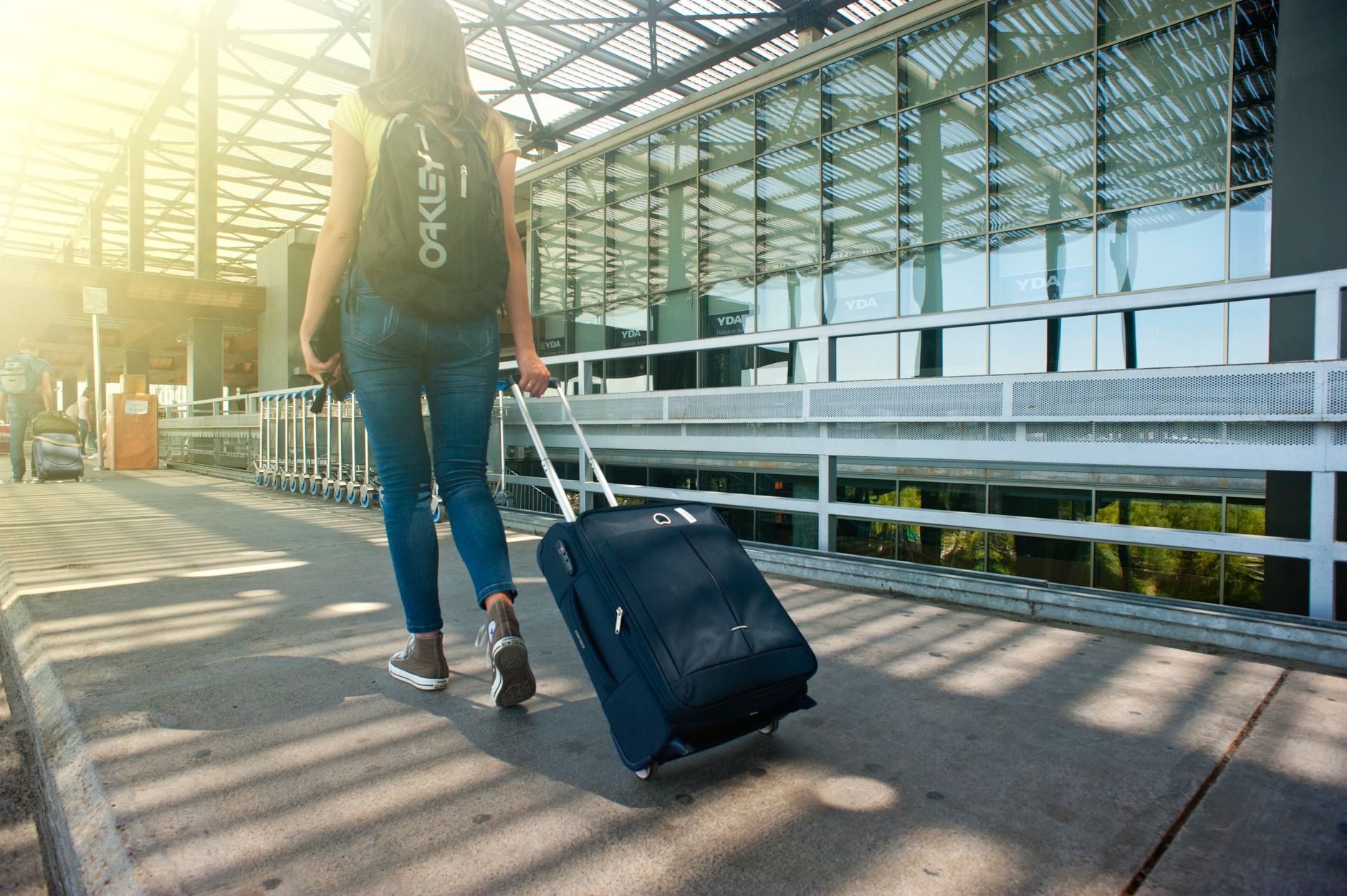
Buenos Aires, the vibrant capital of Argentina, is known for its rich cultural heritage, eclectic architecture, and passionate tango dance. To explore this South American gem, most travelers will arrive through its main airport, which serves as a critical gateway for international and domestic flights.
In this article, we will provide a comprehensive guide to the main airport in Buenos Aires including its facilities, transportation options, tips for navigating the airport, and practical advice for travelers. Whether you’re visiting for a short getaway or an extended stay, this information will help you start your Argentine adventure smoothly.
What Is The Main Airport In Buenos Aires?
The main airport in Buenos Aires is Ministro Pistarini International Airport (Ezeiza Airport), situated approximately 22 kilometers (14 miles) southwest of downtown Buenos Aires. It is the largest and busiest airport in Argentina, handling millions of passengers every year, and it caters to both international and domestic flights.
Ministro Pistarini International Airport, often referred to as Ezeiza Airport, is named after a prominent Argentine politician. The airport is modern and well-equipped, making it capable of handling the needs of a wide range of travelers. Understanding its layout and services can enhance your travel experience significantly.
Airport Facilities and Services
Ezeiza Airport offers a variety of facilities and services to ensure travelers have a comfortable experience. Here’s what you can expect:
- Dining and Shopping: A range of restaurants, cafés, and shops are available throughout the airport. From Argentinian cuisine to international fast food options, you won’t have trouble finding something to eat. Additionally, duty-free shopping offers a selection of perfumes, cosmetics, liquor, and souvenirs.
- Lounges: Various airline lounges provide travelers with a quiet space to relax before their flight. Facilities typically include comfortable seating, complimentary snacks, and beverages. Access may be available for passengers traveling in business class or those with specific loyalty memberships.
- Wi-Fi and Connectivity: Free Wi-Fi is available throughout the airport, allowing travelers to stay connected while waiting for their flights. Charging stations can also be found in terminals to ensure devices stay powered.
- Currency Exchange and ATMs: Several currency exchange kiosks are available, along with ATMs where you can withdraw local currency (Argentine peso). It’s advisable to withdraw cash from ATMs for convenience.
- Accessibility Features: The airport is wheelchair accessible with services designed to assist travelers with disabilities. It’s recommended to inform your airline in advance if any special assistance is needed.
Flight Options
Ezeiza Airport serves numerous airlines offering both international and domestic flights. From major US and European carriers to regional South American airlines, travelers have many options to choose from. Key airlines operating from Ezeiza include:
- American Airlines
- Delta Airlines
- Lufthansa
- Air France
- Aerolineas Argentinas (Argentina’s flag carrier)
- LATAM Airlines
How to Get to and From the Airport
Getting to and from Ezeiza Airport is straightforward, with various transportation options available to suit different needs and budgets. Here are the primary methods:
Airport Taxi Services
Official taxi services are readily available outside the terminals. It’s advisable to use the airport’s designated taxi services for safety and reliability. Pre-booking a taxi or transferring with ride-share apps can also be convenient.
Public Transportation
There are several public transportation options for budget-conscious travelers:
- Bus: The bus line 8 connects the airport to Buenos Aires city center. Buses run frequently and are an economical option, though it may take longer than a taxi due to stops along the route.
- Shuttle Services: Shuttle services operate between Ezeiza and various areas in Buenos Aires. These can be booked in advance or at the airport.
Car Rentals
If you prefer the independence of having your own vehicle, several car rental agencies operate at Ezeiza Airport. This option allows you to explore not only the city but also the surrounding regions at your own pace.
Tips for Navigating Ezeiza Airport
Navigating a large airport can sometimes be challenging. These tips will help you move through Ezeiza with ease:
- Arrive Early: Domestic flights typically require passengers to arrive at least two hours before departure, while international flights may require three hours. This will give you ample time to check in and pass through security.
- Follow Signage: The airport is well-signposted in both Spanish and English. Keep an eye out for signs related to your terminal and flight to avoid confusion.
- Check Flight Status: Before leaving for the airport, check the status of your flight on the airline’s website or app to stay informed about any delays or changes.
- Pack Smart: Be mindful of carry-on regulations and make sure to follow TSA guidelines regarding liquids and restricted items to avoid any delays at security.
Recommended Areas to Stay Near Ezeiza Airport
If you’re looking to stay near the airport, whether it be for a layover or an early flight, consider accommodations that provide convenience and comfort. Here are a few options:
Hotels Near Ezeiza Airport
- Hotel Plaza Central Canning: Located about 10 km from the airport, this hotel offers modern amenities and a shuttle service to the airport.
- Howard Johnson Hotel Ezeiza: This hotel provides an airport shuttle and is known for its comfortable rooms and onsite dining.
- Posada De Las Aguilas: Close to the airport, this charming hotel features beautiful gardens and offers reasonable rates.
Staying in Downtown Buenos Aires
If you prefer to stay in the heart of Buenos Aires, the city boasts a range of accommodation options across diverse neighborhoods such as Palermo, Recoleta, and San Telmo. While further from Ezeiza Airport, downtown hotels offer the advantage of exploring the city’s vibrant culture, dining, and attractions. Just be sure to allow enough time for your travel back to the airport, particularly during peak traffic hours.
When to Visit Buenos Aires
Buenos Aires is an all-year-round destination, with different seasons offering unique experiences. The best time to visit largely depends on your preferences:
- Spring (September to November): This season sees pleasant weather and blooming parks, perfect for outdoor activities.
- Summer (December to February): Expect warm temperatures and vibrant street life. While it may be hot, many locals take vacations during January, making it quieter in some areas.
- Autumn (March to May): Mild weather prevails with beautiful fall foliage, ideal for sightseeing.
- Winter (June to August): Though temperatures can drop, winter in Buenos Aires remains mild compared to other regions, providing a chance to experience cultural activities without the crowds.
Suggested Length of Stay
For a fulfilling experience in Buenos Aires, a stay of at least 4 to 5 days is recommended. This duration allows you to explore the key attractions, enjoy cultural activities, sample local cuisine, and immerse yourself in the vibrant life of the city.
Budget Considerations
Traveling in Buenos Aires can be quite affordable, especially compared to many Western countries. Here are a few budget tips:
- Dine Wisely: Enjoy local street food and parrilla (barbecue) to experience authentic Argentine cuisine without overspending.
- Public Transport: Utilize the extensive subway (Subte) and bus systems to navigate the city economically.
- Attraction Passes: Look for tourist passes that provide discounted access to popular attractions and use guided walking tours that are often free (tips appreciated).
Safety Considerations
While Buenos Aires is generally safe, travelers should take standard precautions. Maintain awareness of your surroundings, especially in crowded areas. It’s advisable to avoid flashy jewelry and to carry only what you need while exploring.
Beware of scams and be cautious when using ATMs. Stick to machines located inside banks or shopping malls whenever possible.
Accessibility and Family Considerations
Ministro Pistarini International Airport and Buenos Aires cater to travelers with mobility challenges. Ensure to arrange assistance in advance for navigating your flow through the airport or any specific amenities needed in hotels or attractions.
For families, Buenos Aires offers various children-friendly activities such as parks, museums, and cultural shows that provide enjoyable experiences for all ages.
Final Notes
Traveling to and from Ministro Pistarini International Airport is relatively straightforward. By staying informed about your flight, understanding available transport options, and following safety tips, you can ensure a smooth travel experience as you begin your exploration of Buenos Aires.
Now that you have the essentials planned, consider exploring Buenos Aires’ vibrant neighborhoods, engaging in its rich cultural scene, and tasting its unique culinary offerings. You will find that this fascinating city has much to offer every traveler!
For additional travel resources, explore more related guides and articles that can help you have a memorable trip. Be sure to review tips for navigating public transport, recommendations for local cuisine, and suggestions for day trips from Buenos Aires.