
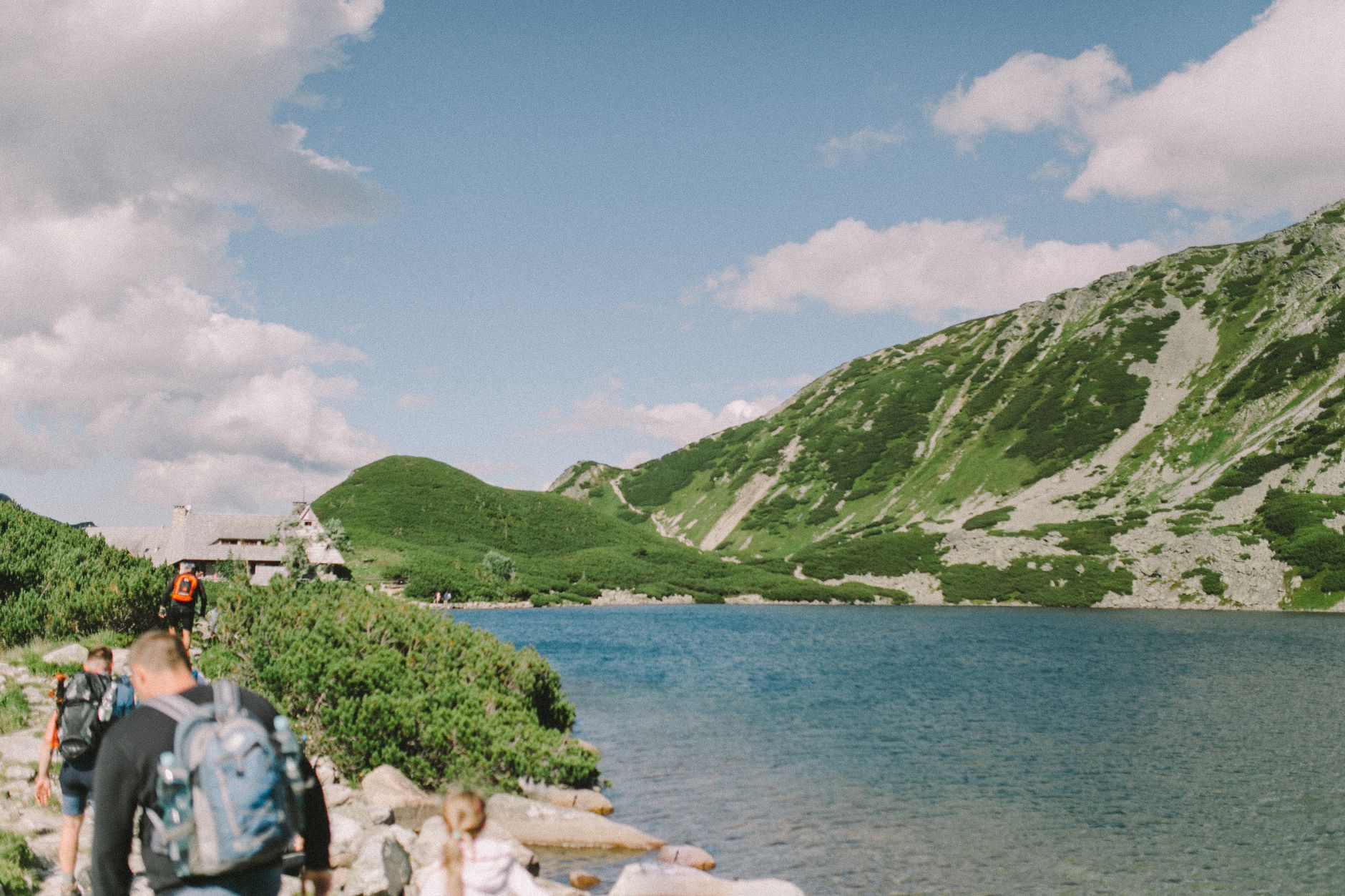
When planning a trip to Big Bear Lake, California, understanding the distance and travel options is crucial for maximizing your experience. Since Big Bear is nestled in the San Bernardino Mountains, how far it is from you can range significantly based on your starting point. This guide will help you calculate your journey, explore transportation options, and provide insights into what to do when you arrive.
Big Bear is perfectly situated for outdoor enthusiasts and families alike. It offers a breathtaking alpine setting, vibrant local culture, and diverse recreational activities all year round. Whether you are traveling from nearby Los Angeles, San Diego, or even farther away, knowing the distance and how to get there can make your trip smoother.
How Far Is Big Bear From Me?
The distance to Big Bear Lake varies greatly depending on your starting location. For example:
- Los Angeles: Approximately 100 miles (2 to 2.5 hours by car, depending on traffic).
- San Diego: Roughly 150 miles (approximately 3 hours).
- Ontario: About 45 miles (around 1 hour).
- Las Vegas: Around 200 miles (approx. 4 to 5 hours).
These distances are approximate and can change based on road conditions and traffic. Planning for a longer travel time during weekends or holidays is advisable, as these routes can become congested.
Getting to Big Bear Lake
By Car
Driving to Big Bear Lake is the most popular option, offering the flexibility of having your vehicle to explore the area. Here’s a basic route from Los Angeles:
- Take the I-10 E freeway towards San Bernardino.
- Merge onto CA-210 E and continue until you reach the CA-330 N towards Running Springs.
- Follow CA-330 N until it merges into CA-18 N.
- Continue on CA-18 N, which leads directly to Big Bear Lake.
For those coming from San Diego or other cities, adjust your route accordingly. Consider checking GPS services for real-time traffic updates, especially for road work or accidents that could extend your travel time.
Public Transportation
If driving isn’t an option, you can reach Big Bear via public transportation. Here are a few alternatives:
- Bus Services: Several bus companies operate routes to Big Bear from nearby cities like Los Angeles and San Bernardino. Check with companies like Mountain Transit for updated schedules and fares.
- Shuttle Services: Local shuttle services provide door-to-door transportation from airports or larger cities directly to Big Bear.
Air Travel
The nearest major airport to Big Bear is Ontario International Airport, approximately 45 miles away. From there, you can rent a car, take a shuttle, or find a designated driver. For those flying into the area, don’t forget to check smaller airports, such as Palm Springs International, as options may vary.
Exploring Big Bear: Things to Do
Year-Round Activities
Big Bear Lake is a hub for outdoor recreation all year round. Here are some popular year-round activities:
- Hiking: Explore trails like the Castle Rock Trail or the Pine Knot Trail, offering views that capture the stunning natural landscape.
- Fishing: Lake fishing is popular, with opportunities to catch trout, catfish, and more.
- Scenic Drives: Take a leisurely drive around the lake or into the surrounding mountains for breathtaking vistas.
Winter Sports
In the winter, Big Bear transforms into a snowy paradise. Here are some winter activities to consider:
- Skiing and Snowboarding: Head to Bear Mountain or Snow Summit for some of California’s best slopes.
- Snowshoeing and Cross-Country Skiing: For those looking for a serene experience, plenty of trails cater to snowshoers and cross-country skiers.
- Sledding: Families with younger children can enjoy designated sledding hills.
Summer Fun
When the snow melts, Big Bear offers a different set of activities:
- Biking: The trails open up for mountain biking enthusiasts, offering various challenges.
- Water Sports: Activities such as kayaking, paddle boarding, and jet skiing are popular on the lake.
- Events and Festivals: Summer often brings festivals celebrating art, music, and local culture.
Accommodation Options
Where you choose to stay can greatly influence your experience. Big Bear offers diverse accommodations to suit different budgets and preferences.
Hotels and Resorts
For those seeking comfort, numerous hotels and resorts are available:
- Big Bear Marina Resort: Located on the lake with easy access to water activities.
- Northwoods Resort: A family-friendly choice with amenities for all ages.
Cabins and Vacation Rentals
If you’re looking for a more home-like experience, consider renting a cabin. Sites like Airbnb and Vrbo offer numerous options, ranging from cozy two-person cabins to larger lodges suitable for families.
Camping
For adventurous spirits, camping is another exciting option. Various campgrounds are located near the lake, offering a unique way to enjoy the natural beauty of Big Bear.
Where to Eat and Drink
After enjoying a day of activities, it’s essential to refuel. Big Bear is home to excellent dining choices that cater to various tastes:
Casual Dining
- Blanca’s Mexican Restaurant: A local favorite known for its authentic Mexican cuisine.
- Big Bear Pizza Company: Perfect for families looking for a casual meal.
Fine Dining
- Tickle Tree Cafe: Offers a cozy atmosphere with delightful brunch options.
- The Pines Lakefront: Upscale dining with beautiful lake views.
Best Times to Visit Big Bear
Timing your trip can optimize your experience, as each season offers unique appeals:
- Winter: Ideal for skiing and snow activities, but expect larger crowds during holidays.
- Summer: Great for lake activities and warmer weather, though weekends can be busy.
- Fall: Offers beautiful foliage and fewer tourists, perfect for hiking and scenic drives.
What to Pack for Your Trip to Big Bear
Whether you’re visiting in winter or summer, packing appropriately ensures comfort and enjoyment during your stay. Here’s a packing list:
- Winter: Warm layers, snow gear (jackets, pants, gloves), snow boots, and thermal undergarments.
- Summer: Comfortable clothing, swimwear for lake activities, sunscreen, and light layers for cooler evenings.
- Essentials: A good pair of hiking boots, a reusable water bottle, and a camera to capture stunning views.
Travel Budget Considerations
To avoid surprises during your trip, it’s crucial to budget for your journey. Here are key considerations:
- Transportation: Include gas money for driving or public transportation costs.
- Accommodation: Prices can vary significantly based on location and time of year. Research in advance.
- Activities: Budget for activities, as some may require booking in advance or rental fees.
- Food: Plan meals appropriately, as dining options range from economical to fine dining.
Safety and Travel Tips
While Big Bear is a relatively safe destination, you should observe the following precautions:
- Weather Awareness: Check forecasts ahead of your trip to ensure proper preparations.
- Wildlife Caution: Be mindful of wildlife, especially during dawn and dusk.
- Altitude Considerations: Big Bear is at a higher elevation; drink plenty of water and take adjustments slowly if you’re not acclimated.
Conclusion
Big Bear Lake is a versatile destination catering to a wide range of travelers. Understanding how far Big Bear is from you helps set the stage for a fantastic adventure, whether you’re seeking thrills on the slopes or relaxation by the lake. Take the time to plan your trip effectively, and make sure to consider accommodations, activities, and safety during your travel to ensure a memorable experience.
For further exploration, check out guides on the Moody Tourist for related travel articles, or find dining inspirations in our best restaurant guide. Happy travels!