
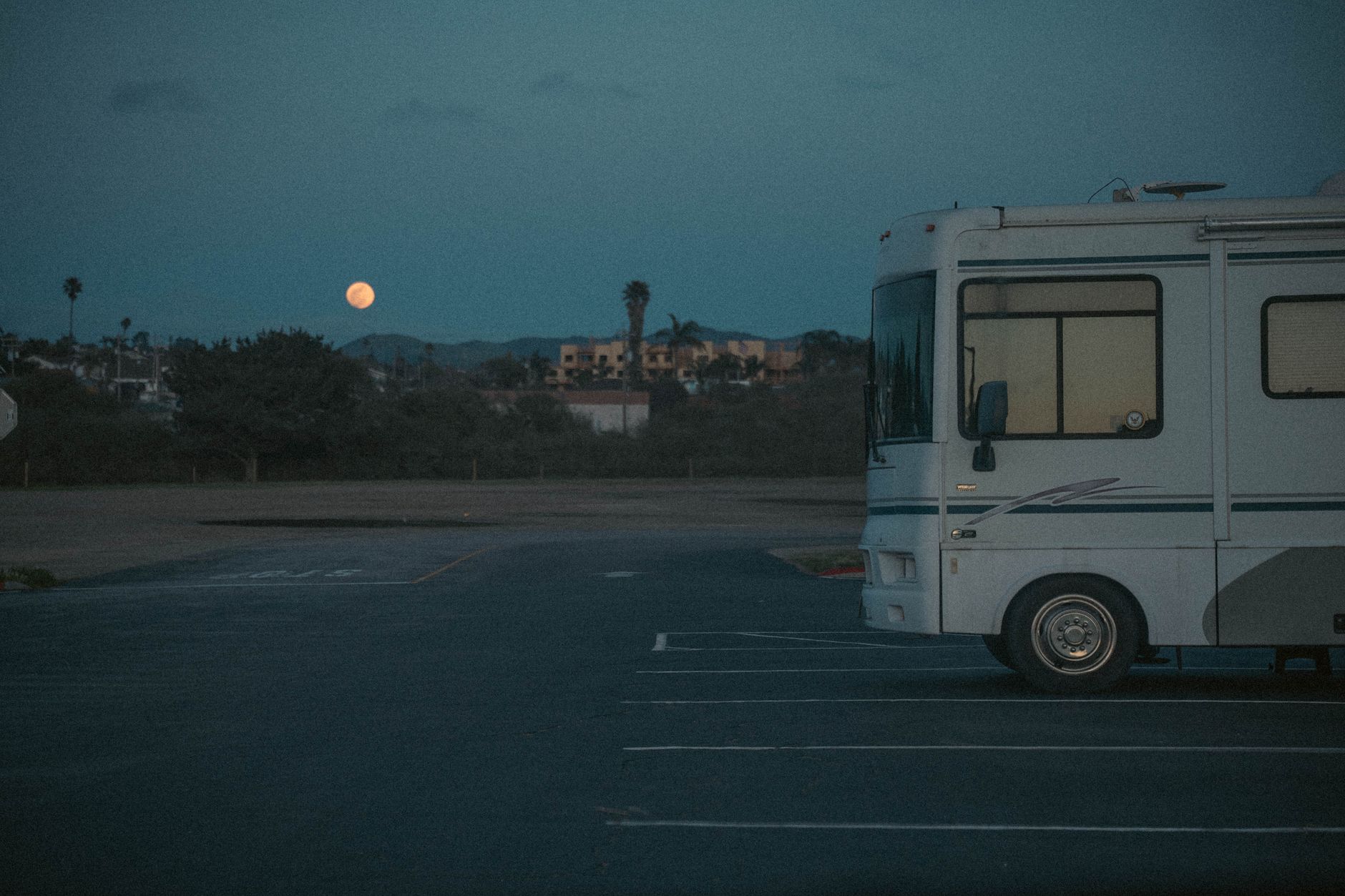
Finding a safe and comfortable place to sleep while on the road can be a challenge for travelers. With increasing numbers of people opting for road trips and van life, understanding what parking lots allow sleeping can enhance your travel experience. This guide covers various options, legal considerations, and practical tips for finding suitable parking lots where travelers can rest overnight.
No matter if you’re in an RV, a van, or a car, knowing where you can park overnight is essential for smooth travel. This article details popular parking lots across different types of locations—such as retail stores, rest areas, and more. We will also discuss the regulations that govern these spaces and practical advice for staying safe during your overnight sleep.
What Parking Lots Can You Sleep In?
Many parking lots allow overnight sleeping, but the rules can vary greatly depending on the location. Generally, store parking lots, rest areas, and dedicated campgrounds are some of the most accommodating options.
Types of Parking Lots for Overnight Sleep
1. Retail Store Parking Lots
Major retail chains, particularly those with 24-hour operations, often welcome travelers to spend the night in their parking lots. However, it is wise to check local policies before settling in. Here are some of the top choices:
- Walmart: Many Walmart stores allow overnight parking. Their policy is generally favorable to RVers and travelers, but it’s best to ask the store manager for permission.
- Home Depot: Similar to Walmart, some Home Depot locations permit overnight stays, particularly in rural areas.
- Cracker Barrel: This chain is known for welcoming travelers to sleep in their lots. They even provide an option for breakfast the next morning.
- Cabela’s and Bass Pro Shops: These stores often cater to outdoorsmen and may allow overnight parking for camping-compatible vehicles.
2. Rest Areas
Rest areas along highways are common places for weary travelers and often provide designated parking spots specifically for overnight stays. They typically have restrooms and picnic areas for use. While many states allow a maximum stay of 8 to 12 hours, it’s essential to check local signage to confirm specifics.
3. Campgrounds
Campgrounds provide a more structured and amenable setting for those wanting a safe place to sleep. Many state parks and national forests feature campgrounds with designated parking spots for RVs and tents. Camping fees vary but typically include amenities like restroom facilities and showers. Check availability and make reservations when required, especially during peak travel seasons.
4. Truck Stops
Truck stops such as Pilot, Flying J, and Love’s often welcome RVs and other travelers for overnight parking. They typically offer various amenities, including restaurants, showers, and convenience stores. Look for dedicated RV parking areas, as these spaces are usually more accommodating for overnight stays.
5. Community Centers and Parks
Some community centers or parks may also permit overnight parking. Verify local regulations; contacting the center directly often yields the best information regarding overnight policies.
Rules and Regulations to Consider
Before sleeping in any parking lot, it’s crucial to familiarize yourself with the rules governing that location to ensure compliance and safety. Key considerations include:
- Local Laws: Always check local laws regarding overnight parking. These can vary greatly depending on the city or state.
- Manager’s Permission: In some cases, it’s smart to ask for permission, especially in store parking lots.
- Safety Measures: Park in well-lit areas and stay away from spots that feel isolated to increase your security.
- Length of Stay: Some locations have time limits for how long you can park overnight. Always adhere to these rules.
Tips for a Safe Overnight Stay
When planning to sleep in a parking lot, consider the following practical tips for a safer and more enjoyable experience:
- Choose Wisely: Aim for reputable locations known for accommodating sleepers, such as those mentioned earlier.
- Arrive Early: To secure a good parking spot and avoid drawing attention, it’s advisable to arrive before dark.
- Maintain Low Profile: Avoid setting up camp, putting out chairs, or displaying personal items outside the vehicle. Keep a low profile.
- Stay Prepared: Always carry essentials such as food, water, and a first-aid kit. Being self-sufficient enhances safety.
- Stay Connected: Utilize phone apps or GPS services to locate safe parking spots along your route.
Practical Considerations for Different Types of Travelers
Solo Travelers
For solo travelers, safety is particularly important. Stick to well-lit, busy parking lots and inform someone about your plans. Use your vehicle’s window shades to maintain privacy while sleeping.
Families
Families may require more space and amenities. Look for family-friendly sites such as campgrounds with good reviews and facilities catering to children.
RVers
If you are traveling in an RV, be sure to check that your chosen site can accommodate the vehicle’s size. Some lots might have restrictions on larger vehicles.
Common Mistakes to Avoid
While parking lot sleeping can be a great alternative to hotels or campgrounds, certain pitfalls can complicate your experience:
- Ignoring Local Regulations: Failing to check local rules can lead to fines or being asked to leave.
- Not Seeking Permission: When in doubt, ask the manager. Some establishments prefer advance notice.
- Staying Too Long: Be aware of parking rules to avoid overstaying your welcome.
Equipment and Packing Considerations
Having the right gear on hand can significantly enhance your overnight experience. Consider packing the following:
- Sleeping Gear: Bring a comfortable sleeping bag or blanket. Investing in an inflatable mattress can also improve comfort.
- Window Covers: Use shades or curtains for privacy and to block light.
- Food and Water: Stock up on snacks and hydrate to reduce the need for late-night grocery runs.
- Power Sources: Keep portable chargers handy to ensure devices remain charged.
Planning Your Road Trip
As you plan your road trip, make a list of potential overnight parking locations in advance. Factor in your route, estimated travel times, and specific preferences for safety and amenities.
Potential Risks and Considerations
Staying in parking lots comes with inherent risks. You have to be aware and prepared:
- Personal Safety: Always trust your instincts. If a location feels unsafe, leave and find another spot.
- Theft: Keep valuables out of sight, and use your vehicle’s alarm system if available.
- Noise: Busy parking lots may pose noise challenges. Earplugs may help block out sounds.
Conclusion
Finding a safe place to sleep in your vehicle is easier with the right knowledge and planning. With options ranging from retail parking lots to campgrounds and truck stops, you can navigate overnight stays successfully. Always abide by local laws and be considerate of the places where you park. By preparing adequately, you can enjoy a restful night on your journey without breaking the bank.
For more travel tips and guides, explore related articles such as the best restaurants in the Tri-Cities and the best restaurants in Phoenix Airport. Happy travels!