
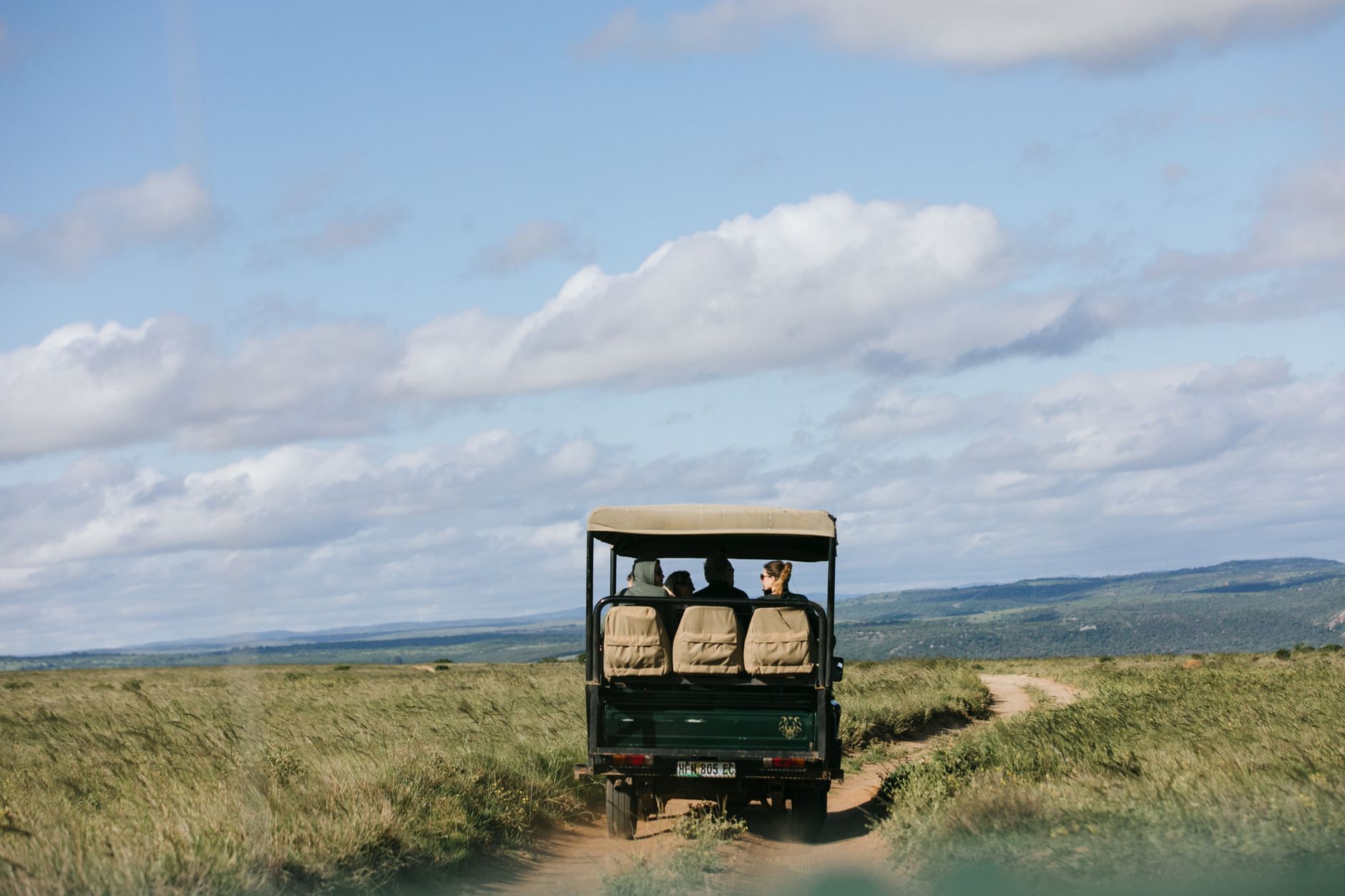
Planning a safari in Kenya is an exciting adventure, but knowing what to wear can be just as important as your itinerary. The right clothing will keep you comfortable, protected from the elements, and discreetly blend in with the wildlife. This guide will help you navigate the essentials of safari attire to ensure you are prepared for the unique African landscape.
From choosing appropriate colors to considering local weather conditions, understanding what to wear on a safari in Kenya is essential for an enjoyable experience. Whether you’re planning for day safaris or nighttime excursions, this article will provide you with comprehensive information on how to dress appropriately during your Kenyan safari.
What should you wear on a safari in Kenya?
When going on a safari in Kenya, it’s crucial to wear lightweight, breathable, and moisture-wicking clothing that will protect you from the sun and insects. Neutral colors like brown, beige, and olive green are recommended to help you blend into the natural environment. Additionally, specific layers can help you adapt to varying temperatures during the safari.
Essential Clothing Items for a Safari
Your packing list should primarily focus on practicality and comfort. Below are the essential clothing items you will need for your safari adventure:
- Lightweight Long-Sleeve Shirt: Helps protect against sun exposure and insect bites.
- Convertible Pants: Pants that zip off into shorts are highly versatile.
- Moisture-Wicking Underwear and Socks: Stay dry and comfortable, especially during long game drives.
- Sturdy Hiking Boots: Choose comfortable shoes that provide good ankle support for walking safaris.
- Hat: A wide-brimmed hat protects your face and neck from sunburn.
- Bandana or Buff: Can be used for dust protection around your neck and face.
- Lightweight Rain Jacket: Essential for unexpected showers during safari trips.
- Warm Layers: Include a fleece jacket or sweater for cool early mornings and evenings.
- Safari Jacket: A multi-pocket jacket provides convenience for carrying essentials.
- Sunglasses: Opt for a good pair to protect your eyes from the bright sunlight.
Choosing the Right Colors
Choosing the right colors for your safari attire is important. Here are some color guidelines to consider:
- Neutral Colors: Opt for muted tones like khaki, green, or brown, which do not disturb wildlife.
- Avoid Bright Colors: Bright colors may attract unwanted attention from animals.
- Steer Clear of White: White clothing can attract dirt and dust, making it impractical.
Layering for Comfort
Weather can vary significantly during a safari in Kenya, so layering is key. Here’s how to prepare:
- Base Layer: Start with moisture-wicking fabrics that keep you dry.
- Mid Layer: Use a lightweight fleece or sweater for warmth during cool mornings and evenings.
- Outer Layer: A waterproof jacket can protect you from rain and wind.
Safari Footwear
Your choice of footwear can greatly affect your comfort level on safari. Consider these tips:
- Choose Sturdy Boots: Hiking boots or trail shoes should provide stability and protection.
- Consider Breathability: Shoes that allow for airflow help keep your feet cool.
- Avoid Flip-Flops: These do not offer adequate support and can be hazardous during walking safaris.
Accessories to Consider
Accessories can enhance your safari experience. Here’s a list of useful add-ons:
- Camera Gear: Bring a sunshade or filter for better shooting in bright conditions.
- Insect Repellent: Use to ward off mosquitoes and other insects, especially in the evenings.
- Sunscreen: Take high-SPF sunscreen to protect your skin during long hours outdoors.
- Binoculars: Ideal for spotting wildlife at a distance.
- Backpack: A small backpack can hold your essentials during daily excursions.
What to Avoid on Safari
When preparing for your Kenyan safari, here are some items you should consider leaving behind:
- Expensive Jewelry: It attracts unnecessary attention and isn’t practical for such activities.
- Heavy Fabrics: Avoid denim and other heavy materials, as they trap heat and can be uncomfortable.
- Bright Colors and White Clothing: As previously mentioned, they can scare away animals and get dirty quickly.
Seasonal Considerations
The time of year you visit Kenya affects many travel aspects, including clothing. Here’s a breakdown:
Dry Season (June to October)
During this time, the weather is generally mild and dry. Best practices include:
- Light layers are ideal for daytime temperatures.
- Early morning and evening wear should include warmer layers.
Wet Season (November to May)
The wet season can bring heavy rain showers, affecting your attire:
- Pack waterproof clothing and shoes to stay dry during unexpected downpours.
- Bring quick-drying fabrics to manage humidity levels.
Clothing for Different Safari Activities
Your activities during the safari can determine what to wear. Here’s a quick guide based on common safari types:
Game Drives
- Wear comfortable clothing in muted colors.
- Bring layers for early morning chill.
- Opt for sturdy, closed shoes.
Walking Safaris
- Long sleeves and pants are essential for insect protection.
- Footwear should offer good ankle support.
- A hat and sunglasses are recommended for sun protection.
Night Safaris
- Wear warmer layers due to lower temperatures.
- Lightweight jackets can keep you comfortable while observing nocturnal wildlife.
What Not to Wear on a Safari
Understanding the dos and don’ts can help you avoid common mistakes when packing for a safari. Here’s what to avoid:
- High Heels or Dress Shoes: These are impractical and uncomfortable for walking or game drives.
- Strongly Fragranted Toiletries: Avoid scents that can attract insects and wildlife.
- Short Skirts or Shorts: Opt for pants or longer shorts for comfort and modesty.
Final Tips for Safari Packing
Here are some final tips to keep in mind when selecting what to wear on your safari:
- Test Comfort: Wear your chosen outfit before the trip to ensure comfort during excursions.
- Plan Ahead: Consider your itinerary and pack accordingly, accounting for all planned activities.
- Pack Light: Aim to keep your luggage manageable while ensuring you have all essentials.
When to Buy Your Safari Clothes
It’s advisable to purchase your safari clothes well ahead of your departure date. This timeline allows you ample time for trying on various outfits, ensuring proper fit, and making any necessary returns or exchanges. Plus, shopping early might give you a chance to find sales or discounts at outdoor retail stores.
Where to Shop for Safari Clothing
Finding the right clothes may involve several shopping options. Here’s a guide for successful retail therapy before your trip:
- Outdoor Specialty Stores: Shops that focus on outdoor gear typically have quality clothing well-suited for safaris.
- Online Retailers: Websites provide a wide selection but ensure you check return policies.
- Local Stores: Consider visiting stores in Kenya upon arrival – especially for culturally specific clothing.
Can You Rent Safari Clothing?
While it’s not very common to rent safari attire, some tour companies may offer comprehensive packages that include necessary gear and clothing. If you’re traveling for a brief period or have limited space, consider inquiring with your tour operator regarding rental options. However, wearing clothes that you’ve already tested for comfort and function is always recommended.
Conclusion
Ultimately, what you wear on a safari in Kenya can impact both your enjoyment and safety during the experience. By selecting appropriate clothing items that offer comfort, protection, and versatility, you can focus on the adventure at hand. Ensure you check the weather forecast before your trip, pack accordingly, and enjoy every moment of your Kenyan safari.
For further travel insights, explore our guides on best restaurants in Cape Town and best restaurants in Kenya. Each destination has unique flavors waiting to be discovered!