
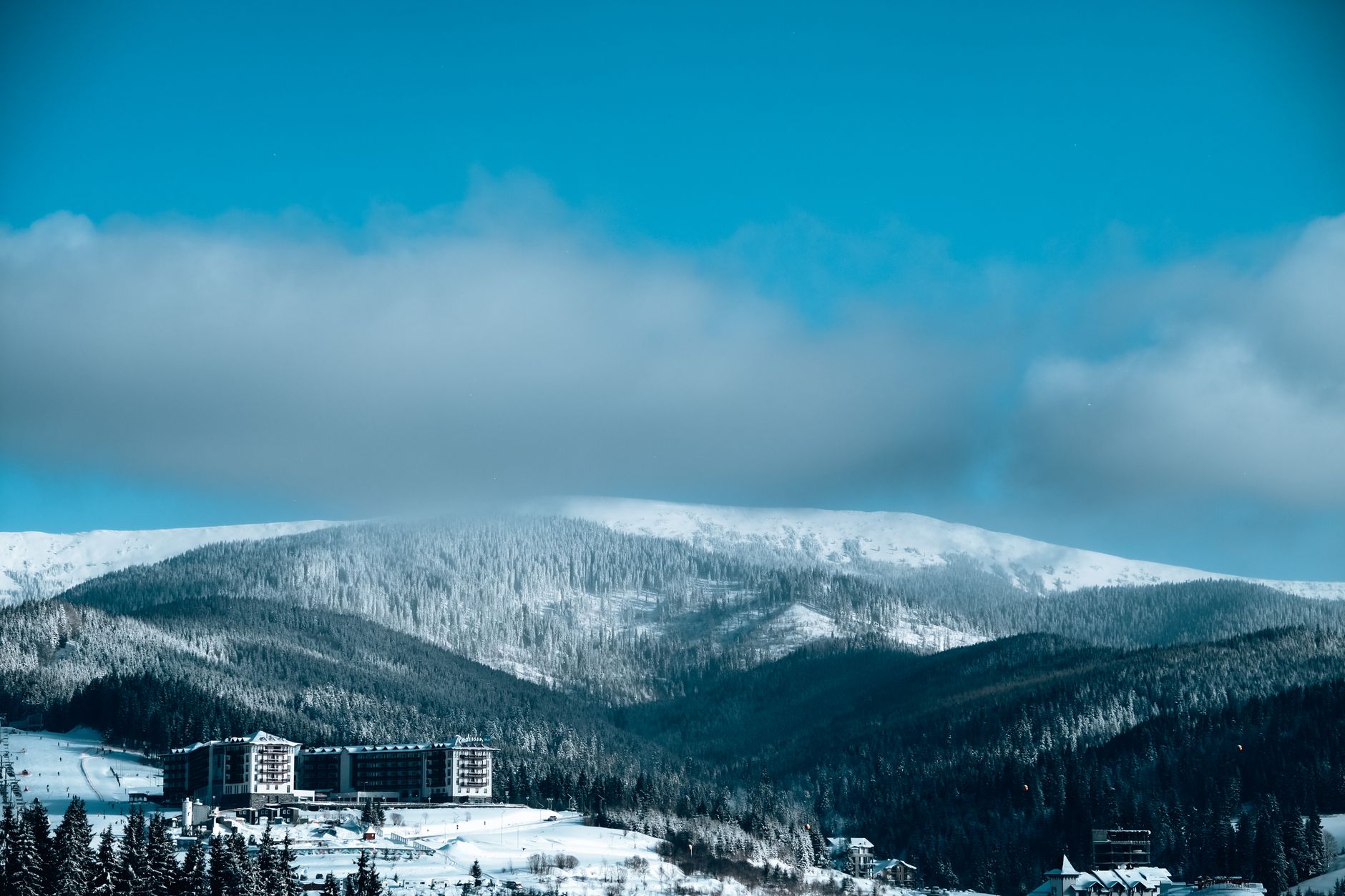
The beauty of Yosemite National Park transforms spectacularly in the winter months, often draped in a serene blanket of snow. If you’re contemplating a trip to this iconic destination during the snowy season, you might wonder about current snow conditions and what that means for your visit.
This guide addresses the question: Is it snowing in Yosemite? Additionally, we’ll cover everything you need to know about winter travel in Yosemite, including weather conditions, activities, transportation, and accommodation options to help you plan the perfect winter getaway.
Is It Snowing In Yosemite?
Yosemite generally experiences snowfall from late November through early March. However, exact conditions can vary, so real-time updates are essential for your planning. Checking the National Park Service’s website or local weather forecasts will provide the most accurate information.
Winter Weather in Yosemite
Yosemite’s winter climate can be quite unpredictable, highlighting the need to check current conditions before heading out. Snowfall can range from a light dusting to several feet, impacting accessibility and activities.
Average Temperatures
During the winter months, you can expect daytime temperatures to hover around the 30s°F (-1°C to 4°C) and nighttime lows to drop into the teens°F (-9°C to -12°C). The higher elevations, such as Badger Pass Ski Area, can be significantly colder.
Snowfall Patterns
December tends to be the snowiest month, while late January and February can bring drier weather. The thaw typically begins in March but snowfall can occur late into the season. Always consult weather forecasts as your travel dates approach.
What to Expect During Winter in Yosemite
Yosemite offers a magical winter wonderland, but there are specific considerations to keep in mind:
- Many areas are accessible primarily by snowshoe or cross-country skiing.
- Some roads may close due to snow accumulation, such as the Tioga Pass Road.
- The park can be less crowded in winter, providing a peaceful experience.
Iconic Winter Scenery
In winter, landmarks like El Capitan, Half Dome, and the towering redwoods are even more breathtaking with a sprinkle of snow. The contrast between the dark granite and the white snow creates stunning views.
Things to Do in Yosemite During Winter
Though winter conditions may limit some activities, there are still plenty of ways to enjoy the park:
Snow Sports
For snow sports enthusiasts, Badger Pass Ski Area, the park’s only downhill ski resort, offers everything from skiing and snowboarding to snow tubing. Cross-country skiing and snowshoeing routes are also abundant, with marked trails available for exploration.
Winter Hiking
Winter hiking is a unique experience in Yosemite. Popular and accessible trails such as the Glacier Point Road offer a picturesque setting. Visitors can also join ranger-led snowshoe hikes for a guided experience.
Wildlife Observation
Many animals remain active in winter, including deer, birds, and the occasional coyote. Bring your binoculars, and keep your distance while observing wildlife.
Photography
Photographers will be in paradise during winter months, thanks to the incredible lighting and snow-dusted landscapes. Golden Hour, just after sunrise and before sunset, offers the best opportunities.
Indoor Activities
If the weather turns particularly severe, consider visiting the Ansel Adams Gallery or the Yosemite Museum to learn about the park’s rich history and art.
Transportation in Yosemite During Winter
Getting around the park can be more challenging in winter months. Certain roads may close, while others may require vehicle chains. Here are transportation essentials:
Getting There
The nearest major cities are Fresno and Sacramento, with multiple airports that connect to major hubs. From there, you can either rent a car or use shuttle services to reach the park.
Public Transportation and Shuttles
Yosemite operates a free shuttle service in the summer, but it has limited availability in winter. Check the National Park Service website for current shuttle routes and hours.
Driving Conditions
Park your vehicle at designated areas and prepare for snow-covered roads. Carry tire chains and know how to install them. Monitor the NPS Winter Road Access page for updates on road conditions.
Where to Stay in Yosemite During Winter
Accommodations in and around Yosemite provide a range of options suitable for various budgets and preferences.
Inside the Park
Options include:
- Ahsahka Lodge: A cozy spot to stay in the winter months, offering stunning views and close proximity to outdoor activities.
- Yosemite Valley Lodge: Perfectly situated near Yosemite Falls, it provides easy access to hiking and sightseeing.
- Tenaya Lodge at Yosemite: Located just outside the park, this lodge offers luxurious accommodations and amenities like a spa.
Outside the Park
Consider nearby towns for a wider range of accommodation options, including:
- Mariposa: A small town with charming inns and boutique hotels.
- Oakhurst: Offers several chain hotels, motels, and local restaurants.
- Fish Camp: A quiet mountain town with lodges and cabins nestled in nature.
Budget Considerations for a Winter Trip to Yosemite
Winter can be a more affordable time to visit Yosemite due to fewer crowds and lower rates at some accommodations. Here’s what to keep in mind:
Entrance Fees
The entrance fees for Yosemite continue throughout winter, but you may consider an annual National Park pass if you plan multiple visits. As of now, the general entrance fee is around $35 per vehicle, valid for seven consecutive days.
Accommodation Costs
Accommodations can vary significantly in price. Budget options range from camping to economical motels while luxurious lodges can be more pricey. Typically, you’ll find winter rates lower than summer peaks.
Food and Drink
Dining options inside the park are limited in winter, with fewer restaurants open. It’s advisable to stock up on groceries in nearby towns if you plan to cook. On average, meals in the park can range from $10 to $30 per person.
Winter Packing List for Yosemite
Preparing for winter in Yosemite means packing wisely to stay warm and dry. Here’s a list of essentials:
- Warm layers: thermal tops and bottoms, fleece jackets, and waterproof jackets.
- Winter boots: insulated, waterproof boots with good traction.
- Accessories: gloves, hats, scarves, and wool socks.
- Snow gear: snowshoes, ski equipment, or equipment rentals information.
- Emergency supplies: first aid kit, flashlight, and extra blankets.
Safety Considerations for Winter Travel
While Yosemite is a beautiful winter destination, visitors should prioritize safety:
- Always check road and weather conditions before heading out.
- Wear appropriate footwear to prevent slips and falls.
- Stay hydrated and fueled, even in cold weather.
- Respect wildlife, maintaining a safe distance.
When to Visit Yosemite
The best time to visit Yosemite in the winter is from December to mid-March when the park is most likely to be snow-covered. Early January and February typically provide the best skiing conditions, while late February can bring beautiful views as spring begins to creep in.
Suggested Length of Stay
A three to four-day trip is recommended to fully enjoy the winter offerings of Yosemite. This timeframe allows you to explore leisurely and take part in different activities without feeling rushed.
As you prepare for your trip, remember that conditions can change rapidly in the winter months. Regularly check weather updates, and plan your itinerary accordingly. By staying informed, you’ll increase the chances of experiencing a winter adventure in Yosemite to remember for a lifetime!
For more information on planning your travels, explore our related guides, including more details on accommodations and dining options at The Moody Tourist or learn about the best restaurants in Park City.