
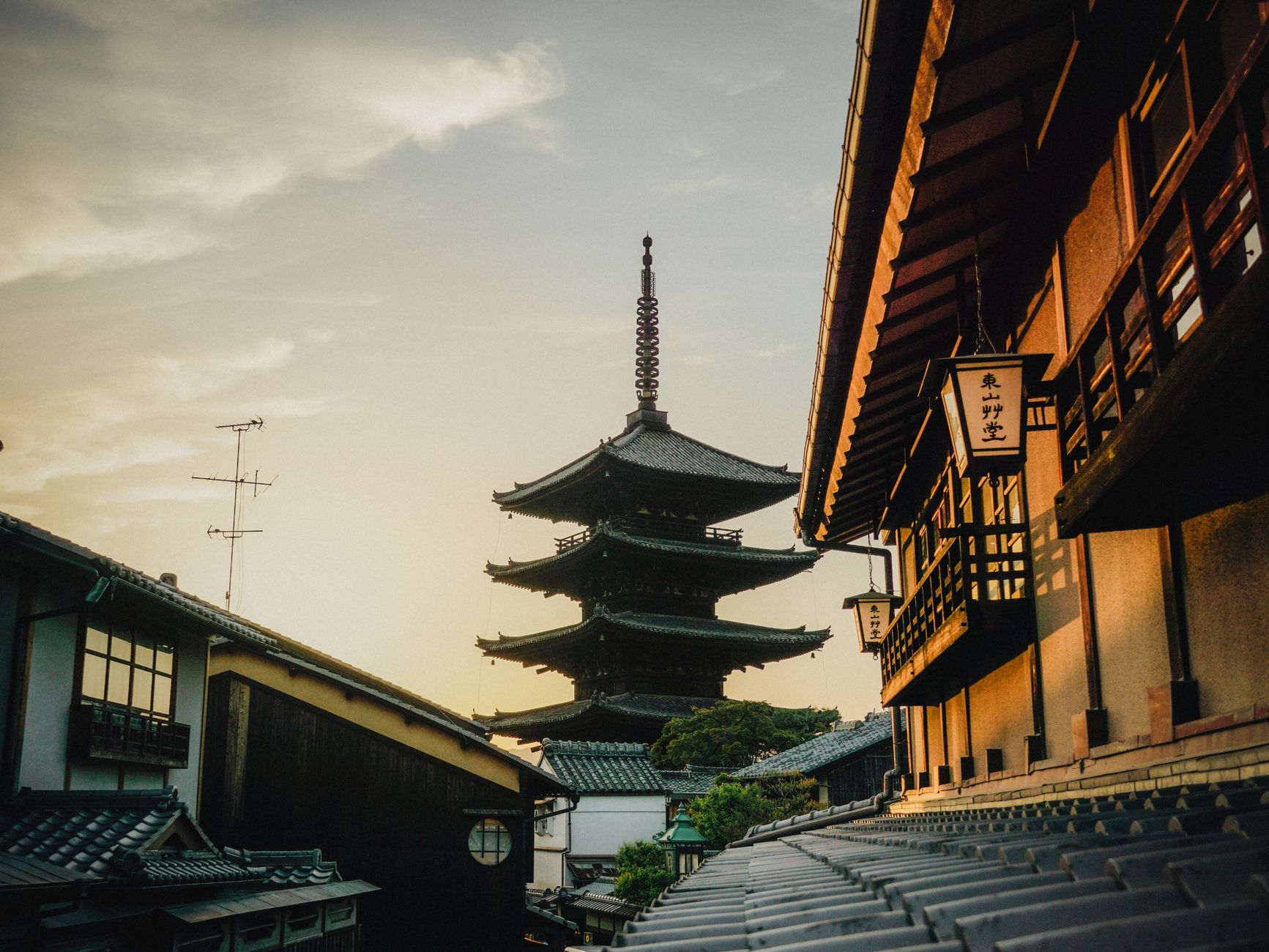
Japan is a remarkable destination known for its rich culture, vibrant cities, and breathtaking landscapes. Packing for Japan requires careful consideration due to its diverse climate, varying regional customs, and bustling urban environments. Whether you are traveling for business, leisure, or a cultural experience, understanding what to pack is essential.
This guide offers practical advice on packing essentials for Japan. It covers clothing, electronics, health items, travel documents, and other necessities to ensure a smooth and enjoyable journey.
How To Pack For Japan?
Packing for Japan involves selecting versatile clothing, essential travel documents, and useful gadgets based on your itinerary and the season. Understanding local customs and climate will help you decide what to bring while ensuring you feel comfortable and prepared.
Understanding Japan’s Climate
Japan experiences four distinct seasons, making it crucial to plan your packing according to the timing of your visit. Here is a brief overview:
- Spring (March to May): Mild temperatures and beautiful cherry blossoms. Layers and lightweight jackets are ideal.
- Summer (June to August): Hot and humid, especially in cities. Short sleeves, breathable fabrics, and sunscreen are essential.
- Autumn (September to November): Comfortably cool with vibrant foliage. Pack layers, including a light jacket.
- Winter (December to February): Cold temperatures, especially in northern regions. Warm clothing, including coats, gloves, and scarves, are necessary.
Clothing Essentials
Choosing the right clothing can enhance your experience in Japan. Here are essential items to consider:
General Clothing
- Comfortable Shoes: You will likely do a lot of walking, so pack comfortable walking shoes or sneakers. Consider bringing a pair of sandals as well for warmer weather.
- Clothing Layers: Wearing layers allows for easy adjustments as temperatures change. Pack t-shirts, long-sleeve shirts, lightweight sweaters, and a waterproof jacket.
- Smart Casual Outfit: If you plan to dine at upscale restaurants or attend cultural events, a smart casual outfit is advisable.
- Underwear and Socks: Bring enough for the duration of your trip, along with a few extra pairs just in case.
Seasonal Wear
- Spring: A light jacket and layers to transition from chilly mornings to warmer afternoons.
- Summer: Lightweight, breathable fabrics, such as cotton or linen, to stay cool. Also, consider packing a hat and sunglasses.
- Autumn: Layers including a medium-weight jacket and a mix of short and long sleeves to adapt to changing temperatures.
- Winter: A warm coat, thermal layers, and insulated gloves, especially if traveling to northern regions where snowfall is common.
Travel Documents
Having your travel documents organized is essential. Here’s what to pack:
- Passport: Ensure it is valid for your entire stay and has at least one blank page.
- Visa: Depending on your nationality, you might need a visa. Always verify entry requirements beforehand.
- Travel Insurance Documents: Keep a copy of your travel insurance policy, including emergency contact information.
- Printed Itineraries: It can be helpful to have printed copies of your itinerary, including accommodation details and transport information.
Electronics
Japan is known for its technology, so ensuring you have the right electronics can enhance your trip. Here are key items to consider:
- Smartphone: An essential tool for navigation, translation, and communication. Consider downloading useful apps before you arrive, such as maps and train schedules.
- Portable Charger: To keep your devices charged during long sightseeing days.
- Universal Power Adapter: Japan uses Type A and Type B plug types; make sure to bring a compatible adapter.
- Camera: Capture memories with a camera or use your smartphone camera for convenience. Don’t forget extra batteries and memory cards.
Health and Hygiene Items
Maintaining good health and hygiene is important while traveling. Here’s what to include:
- Prescription Medications: Bring a sufficient supply of any prescription medications along with a doctor’s note, if necessary.
- Over-the-Counter Medications: Items for common ailments such as headaches, allergies, or digestive issues can be useful. Consider packing pain relievers, anti-nausea medicine, and cold medicine.
- Basic First Aid Kit: A small kit containing band-aids, antiseptic wipes, and other general supplies can be beneficial.
- Toiletries: Pack your essential toiletries like toothpaste, toothbrush, deodorant, shampoo, and any skincare products. Small, travel-sized containers can save space.
Travel Accessories
Accessories can enhance your travel comfort and organization. Here are some to think about:
- Travel Backpack/Daypack: A small backpack for daily excursions is practical for carrying essentials while exploring.
- Luggage Locks: Consider using locks to secure your luggage during transport and in accommodations.
- Travel Pillow: A neck pillow can make long flights or train journeys more comfortable.
- Reusable Water Bottle: Staying hydrated is essential, and carrying a reusable bottle is eco-friendly. Many areas in Japan are pedestrian-friendly, with water refill stations available.
Cash and Payment Options
Cash is still widely used in Japan, so planning your finances is important:
- Cash: Local currency is Japanese yen. It’s advisable to have cash for smaller purchases, particularly in rural areas.
- Credit/Debit Cards: While many places accept cards, especially in urban centers, always check if the establishment accepts card payments.
- International Bank Card Fees: Be aware of potential fees for ATM withdrawals or purchases using international cards.
Special Considerations
Traveling in Japan can be different from other destinations. These additional packing tips can help:
Cultural Awareness
- Respectful Attire: While Japan is a modern country, dressing modestly when visiting temples, shrines, and traditional areas is important.
- Gifting Etiquette: If you are invited to someone’s home, consider bringing a small gift, such as sweets or souvenirs from your home country.
Transportation Tips
- Japan Rail Pass: If you plan to travel across the country, consider getting a JR Pass. Purchase it before arrival, as it is not available for tourists in Japan.
- Transit Apps: Download transit navigation apps (like Hyperdia) to help with train schedules and routes.
Sample Packing List
Here’s a condensed list to guide your packing:
- Comfortable walking shoes
- Summer attire or layers depending on the season
- Jacket for spring or fall trips
- Warm coat, gloves for winter
- Travel toiletries and first aid kit
- Travel documents and itineraries
- Electronics: phone, camera, chargers
- Reusable water bottle
- Cash and payment cards
Mind the Weight Restrictions
Airlines often have strict luggage weight limits, so it’s wise to check your carrier’s policies. Here are some tips to optimize your packing:
- Pack Versatile Clothing: Choose neutral colors that can easily mix and match.
- Limit Heavy Items: If possible, avoid heavy shoes or bulky jackets.
- Leave Room for Souvenirs: If you’re planning to shop, consider packing less to allow space for your new purchases.
Final Tips for Traveling in Japan
To ensure a smooth experience while traveling in Japan, keep these helpful tips in mind:
- Learn Basic Japanese Phrases: A few words like “konnichiwa” (hello) and “arigatou” (thank you) can significantly enhance your interactions and experiences.
- Stay Connected: Consider renting a pocket Wi-Fi device for convenient internet access throughout your trip.
- Embrace the Culture: Be mindful of local customs and etiquette. For instance, it’s common to remove shoes when entering homes, temples, and certain ryokans (traditional inns).
Traveling to Japan can be an exhilarating experience. Proper packing based on your itinerary, climate, and cultural awareness will ensure that you have a fulfilling and memorable trip. Take the time to plan and pack wisely to enjoy everything this incredible country has to offer.
For more information about your dining options, explore our guides on the best restaurants in Tokyo and the best restaurants in Kyoto. Happy travels!