
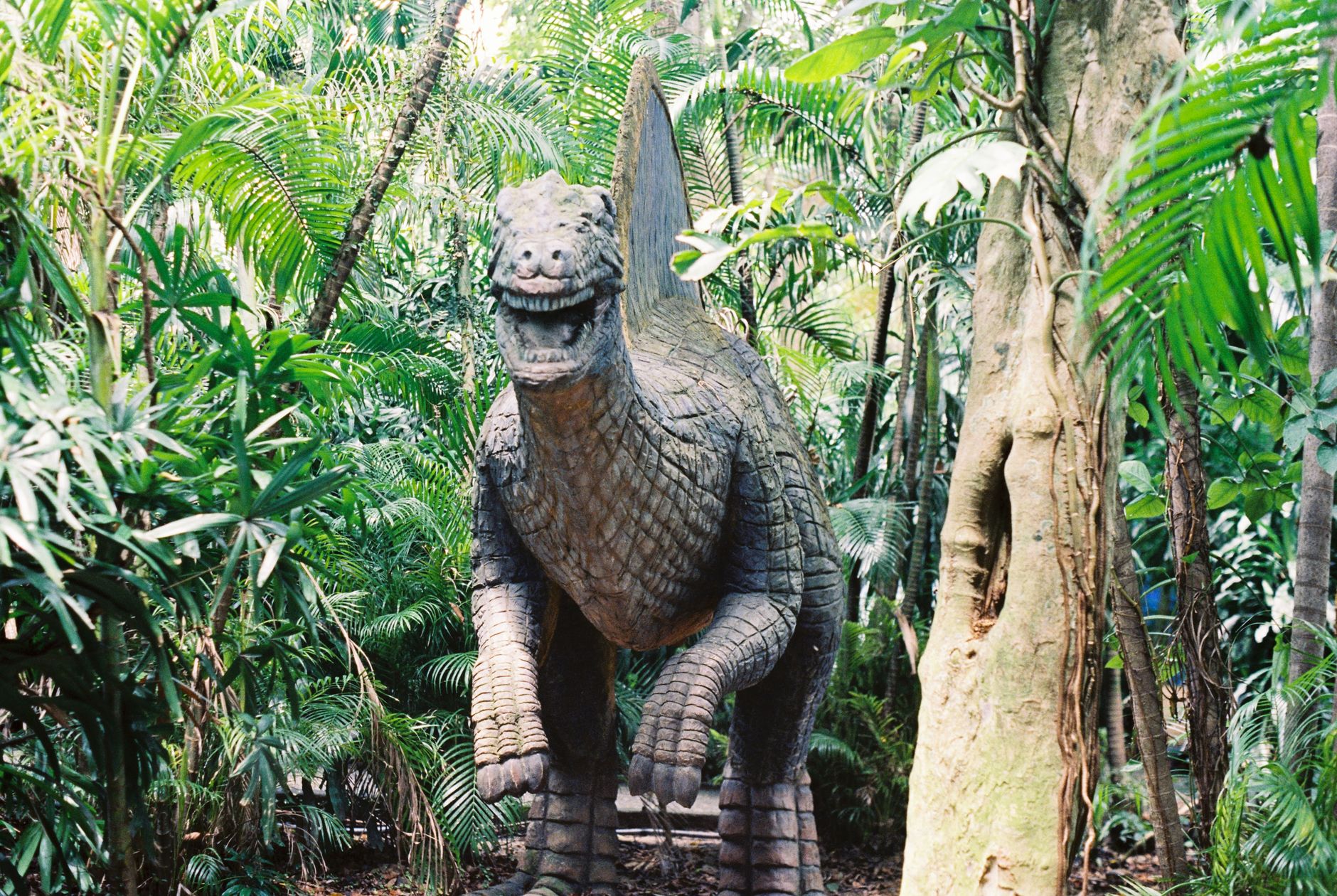
Since the release of Jurassic Park in 1993, the idea of bringing dinosaurs back to life has fascinated people worldwide. But is it actually possible to create a modern-day Jurassic Park? This article explores the science, technology, and ethical considerations surrounding the concept of reviving extinct species, offering insights for those intrigued by this unique blend of nature and science.
Whether you’re a dinosaur enthusiast, a science fiction buff, or just curious about the implications of advanced genetic technologies, this guide will provide useful information. Not only will you learn about the feasibility of Jurassic Park, but you will also uncover travel destinations and attractions that celebrate dinosaurs and paleontology.
Is Jurassic Park Possible?
Creating a real Jurassic Park, as depicted in the films, presents numerous challenges, from genetic engineering to ethical dilemmas. Currently, science has made strides in cloning and de-extinction efforts, but bringing dinosaurs back from extinction would require overcoming significant obstacles in genetics and ecology.
The Science Behind De-Extinction
The concept of de-extinction revolves around using advanced genetics, particularly techniques like cloning and genetic engineering, to revive extinct species. Here are some key technologies that play a role:
Cloning
Cloning is one of the most recognized methods of de-extinction. The most famous case is that of “Dolly” the sheep, the first mammal to be cloned from an adult somatic cell. For dinosaur cloning to succeed, scientists would require intact DNA. However, dinosaur DNA is over 65 million years old, making it highly unlikely that complete and usable samples exist.
CRISPR Technology
CRISPR (Clustered Regularly Interspaced Short Palindromic Repeats) is a groundbreaking gene-editing tool capable of making precise changes to DNA. It poses the possibility of altering the genetic structure of a related species, such as birds, to resemble that of dinosaurs. Researchers have experimented with traits that could produce “dinosaurs” from chickens by activating dormant genes.
Ancient DNA Recovery
New techniques have been developed for recovering ancient DNA from frozen or preserved specimens. Discoveries in permafrost sediment have yielded DNA from long-extinct species like woolly mammoths. However, recovering viable DNA from dinosaur bones remains a significant challenge due to the age of the fossils.
Ethical Considerations
Even if scientists were to overcome the biological hurdles, the ethical implications of resurrecting extinct species must be addressed. Key concerns include:
- Animal Welfare: Reviving animals that no longer have a natural habitat creates moral dilemmas regarding their quality of life and welfare.
- Environmental Impact: Introducing extinct species could disrupt existing ecosystems. The ecological consequences of reintroducing dinosaurs—huge, predatory creatures—could be catastrophic.
- Commercial Exploitation: The potential for commercial exploitation of these newly revived species raises questions about who benefits from their existence.
Dinosaurs on Display: Travel Destinations
While a real Jurassic Park may be a distant dream, various attractions worldwide celebrate dinosaurs, offering a glimpse into the past and fulfilling your dinosaur fantasies. Here are some notable destinations:
1. The Natural History Museum, London
The Natural History Museum houses an impressive collection of dinosaur skeletons, including a full-sized T. rex. Visitors can learn about the history of paleontology and the evolution of these magnificent creatures through informative exhibits.
2. The Field Museum, Chicago
Home to one of the most complete T. rex skeletons ever discovered, Sue, the Field Museum offers extensive exhibits on dinosaurs and their prehistoric environments. Engaging displays and interactive experiences make it suitable for all ages.
3. Dinosaur National Monument, Utah and Colorado
This UNESCO World Heritage site features spectacular fossil beds where many dinosaur bones have been unearthed. Visitors can see fossilized remains in situ and explore hiking trails that pass by stunning canyon scenery.
4. The Dinosaur Store, Cocoa Beach, Florida
A fun destination for families, The Dinosaur Store is an educational boutique selling dinosaur-themed toys, games, and decor. Kids can enjoy interactive exhibits, including a dinosaur simulator.
5. Royal Tyrrell Museum, Alberta, Canada
As one of the world’s leading dinosaur museums, the Royal Tyrrell Museum showcases a vast collection of fossils and provides immersive exhibits. It’s situated near the Badlands, a rich area for fossil hunting.
Planning Your Dinosaur-Themed Adventure
If you’re inspired to visit destinations that connect you with the dinosaur age, here’s how to effectively plan your excursion:
Best Time to Visit
Consider visiting during the summer months when children are out of school and many attractions offer special programs and events. Fall can also be a great time to explore, as crowds are smaller and the weather is usually pleasant.
Length of Stay
For most dinosaur attractions, a weekend is adequate. However, if you plan to explore multiple locations, consider dedicating a full week to your journey to fully appreciate each destination.
Transportation
Traveling between attractions can vary greatly depending on their locations:
- For destinations within a single city, public transportation and rideshare services are often reliable options.
- If visiting multiple cities or regions, consider renting a car. This allows flexibility when exploring rural areas and national parks.
Accommodation Options
Availability ranges from budget-friendly motels to luxurious hotels. Here are general pointers to finding accommodations:
- Check for family-friendly options if traveling with children. Many hotels offer amenities like pools and nearby attractions.
- Look for deals in advance and consider booking packages that include attraction tickets for added savings.
Budget Considerations
Your budget will largely depend on transportation, accommodation, food, and attraction costs. Here’s a rough breakdown:
- Transportation: Rental cars can range from $30 to $100 per day, while public transit costs vary by city.
- Accommodation: Budget hotels typically start around $70 per night, while mid-range hotels can average $150 or more.
- Food: Dining out can range from $10 for fast food to $50 or more for a sit-down meal. Consider packing meals for day trips.
- Attraction Entry Fees: Most museums cost between $15-30 for adults, with discounts often available for children and seniors.
Packing Essentials for Your Dinosaur Adventure
When packing for your trip, consider the destinations and time of year. Here’s a checklist of items to ensure you have a smooth journey:
- Comfortable walking shoes for exploring museums and parks.
- A reusable water bottle to stay hydrated during your excursions.
- Sunscreen and hats, especially if you plan to spend time outdoors.
- A camera or smartphone for capturing memories of your adventure.
- Snacks for the road or while waiting in lines at popular attractions.
Accessibility Considerations
Many dinosaur-themed attractions strive to be accessible to all visitors. When planning your trip, consider the following:
- Check the official websites for specific accessibility options, including wheelchair rentals and available services.
- Contact attractions ahead of time to inquire about any special accommodations.
Conclusion
While creating a real Jurassic Park may remain a challenging dream, it is possible to embrace your fascination with dinosaurs through various attractions around the world. With a little planning and consideration, you can create a memorable trip packed with prehistoric adventures that allow you to explore the wonders of the ancient world.
If you’re interested in learning more about travel planning or exploring different destinations, check out our guides on various travel topics and discover the best restaurants in Disney World.