
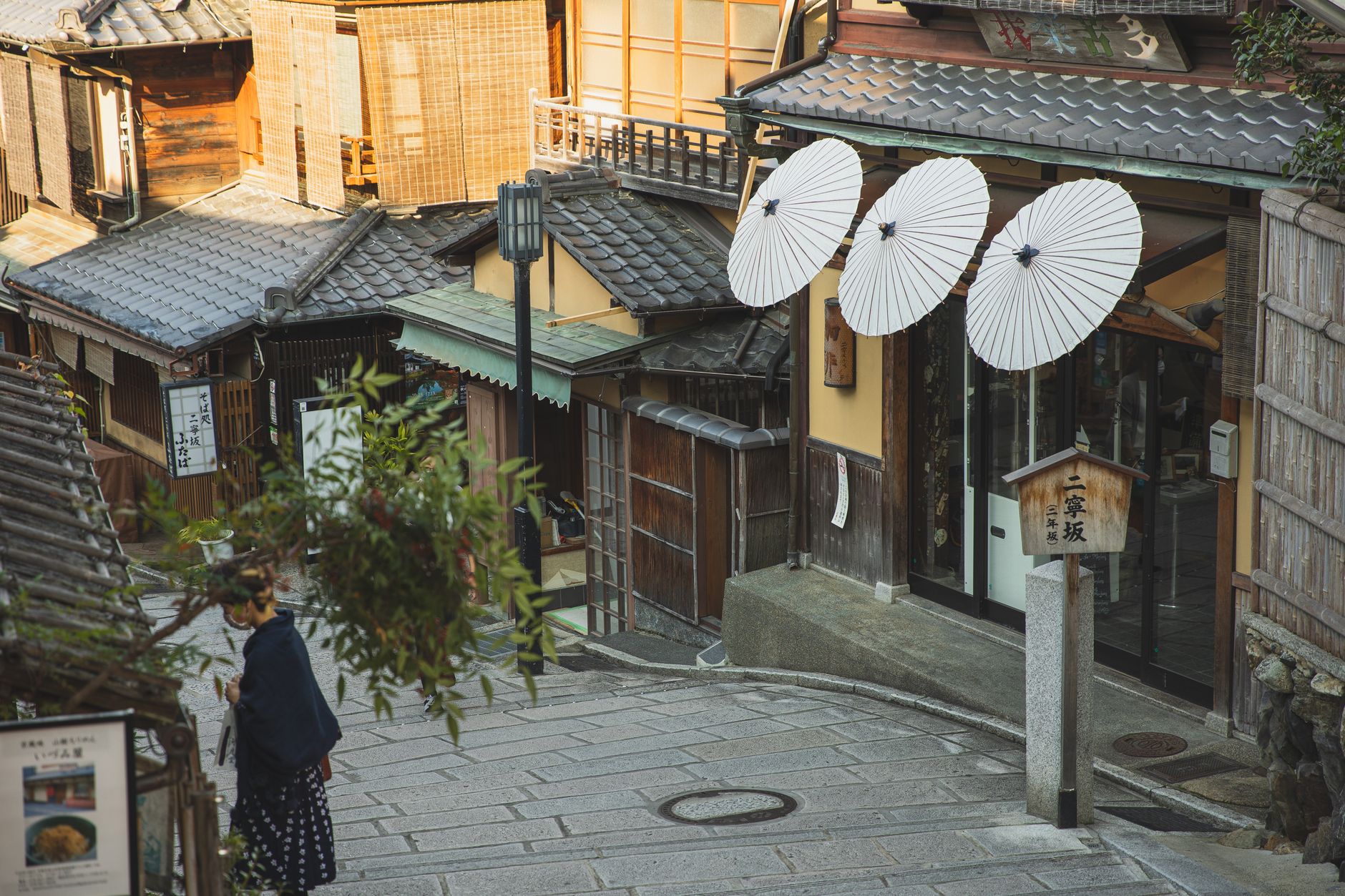
Japan is a captivating destination, drawing millions of travelers each year with its unique blend of ancient traditions and modern innovations. When planning a trip, one of the most common questions is how many days to spend in Japan to experience its rich culture, breathtaking landscapes, and delectable cuisine. This article will help you determine the ideal length of your stay and provide a comprehensive guide to planning your journey.
Deciding how many days to spend in Japan can depend on various factors: your interests, travel pace, and the areas you wish to explore. Whether you’re an adventurous traveler wanting to hike through the Japanese Alps or a culture enthusiast eager to visit ancient temples, this guide will assist you in crafting an unforgettable itinerary tailored to your preferences.
How Many Days Should You Spend in Japan?
The recommended duration for a trip to Japan typically ranges from 7 to 14 days. A week is sufficient for a quick overview of major cities like Tokyo, Kyoto, and Osaka, while two weeks allows for a more in-depth exploration of the country’s diverse regions. Your ideal trip length largely depends on the depth of experiences you seek.
One Week (7 Days) in Japan
A week in Japan is perfect for first-time visitors. You can explore the highlights and enjoy a taste of the country’s rich culture. Here’s a suggested itinerary:
- Day 1: Arrive in Tokyo
- Arrive at Narita or Haneda Airport
- Explore Shinjuku’s vibrant nightlife or relax in Ueno Park
- Day 2: Tokyo Sightseeing
- Visit the historic Senso-ji Temple in Asakusa
- Explore the fashion district of Harajuku
- Wander around Meiji Shrine
- Day 3: Day Trip to Nikko
- Take a train to Nikko (approx. 2 hours)
- Visit the UNESCO World Heritage Sites of Toshogu Shrine and Futarasan Shrine
- Enjoy the beautiful natural landscapes
- Day 4: Travel to Kyoto
- Shinkansen ride to Kyoto (approx. 2.5 hours)
- Explore the historic Gion district
- Day 5: Kyoto Temples and Shrines
- Visit Kinkaku-ji (Golden Pavilion)
- Explore Arashiyama Bamboo Grove
- End with Fushimi Inari-taisha Shrine
- Day 6: Day Trip to Nara
- Take a train to Nara (approx. 45 minutes)
- Visit Todai-ji Temple and Nara Park to see free-roaming deer
- Day 7: Return to Tokyo
- Head back to Tokyo (approx. 2.5 hours)
- Last-minute shopping in Shibuya or Akihabara before departure
Two Weeks (14 Days) in Japan
If you have two weeks, you can delve deeper into Japan’s diverse regions and attractions, customize your itinerary further, and allow for a more relaxed pace. Here’s an extended itinerary:
- Days 1-3: Tokyo
- Follow the first three days of the one-week itinerary.
- Days 4-5: Kyoto
- Travel to Kyoto.
- Continue exploring Kyoto, including visiting additional sites like Nijo Castle and Kyoto Imperial Palace.
- Day 6: Day Trip to Hiroshima
- Take the Shinkansen to Hiroshima (approx. 2 hours)
- Visit the Hiroshima Peace Memorial Park and Museum.
- Try the local delicacy, okonomiyaki, before heading back to Kyoto.
- Days 7-8: Osaka
- Take a short train ride to Osaka (approx. 15 minutes).
- Explore Osaka Castle and the bustling districts of Dotonbori and Namba.
- Days 9-10: Hokkaido or Okinawa
- Fly to Hokkaido or Okinawa if you want to explore natural beauty and relax on beaches.
- Visit national parks, hot springs, or enjoy skiing in winter.
- Days 11-12: Takayama or Shirakawa-go
- Travel to Takayama (or Shirakawa-go) to experience traditional rural Japan.
- Explore preserved Edo-period streets and visit local markets.
- Days 13-14: Return to Tokyo
- Return to Tokyo for final explorations.
- Visit areas you might have missed or revisit favorites.
Key Places to Visit in Japan
Japan offers an array of places to explore, each with its unique charm. While Tokyo and Kyoto form the core of many itineraries, consider incorporating diverse locations for richer experiences:
- Nara: Known for its parks and temples, especially Todai-ji.
- Osaka: Famous for street food, especially okonomiyaki and takoyaki.
- Hiroshima: A city with a poignant history and cultural significance.
- Hokkaido: Ideal for nature lovers and winter sports enthusiasts.
- Okinawa: Offers beautiful beaches and a subtropical climate.
- Hiroshima: Reflect on its history and try local delicacies.
- Mount Fuji: A symbol of Japan, offering stunning views and hiking trails.
When is the Best Time to Visit Japan?
The best time to visit Japan varies by personal preferences and what you want to experience. Here’s a rundown of the seasons:
- Spring (March to May): Known for cherry blossoms, pleasant weather, and flower festivals. Though crowded, it’s a picturesque time to visit.
- Summer (June to August): Warm to hot temperatures lead to vibrant festivals like Gion Matsuri in Kyoto. Summer is also the season for various outdoor activities.
- Autumn (September to November): The foliage colors are breathtaking, with mild temperatures and fewer crowds compared to spring.
- Winter (December to February): Great for ski enthusiasts in places like Hokkaido. Cultural festivals and illuminations also light up the cities during this time.
Getting Around Japan
Japan has one of the most efficient and extensive public transportation systems in the world. Here are the key options to consider when getting around:
- Shinkansen (Bullet Train): Fast and comfortable, the Shinkansen is a great way to travel between cities. Note that train tickets can be pricey, so consider a Japan Rail Pass if you plan multiple long-distance trips.
- Local Trains and Subways: Within cities, local transit is efficient. Purchase IC cards (like Suica or Pasmo) for easy travel.
- Buses: Buses, though sometimes slower, reach locations not serviced by trains. They can be an affordable alternative.
- Taxis: Taxis are available but can be expensive. Useful for late-night outings or when traveling with luggage.
Where to Stay in Japan
Japan offers a wide variety of accommodations, catering to different budgets and traveler types. Consider these options:
- Hotels: Both luxurious and budget-friendly options exist in cities. Chains like APA, Toyoko Inn, and international brands are prevalent.
- Traditional Ryokan: Experience Japanese culture by staying in a ryokan, complete with tatami mats and futons.
- Capsule Hotels: Unique and budget-friendly, capsule hotels are primarily found in cities, offering compact sleeping pods.
- Airbnb: Renting an apartment can provide a more localized experience, especially for longer stays.
Food and Drink in Japan
No visit to Japan is complete without indulging in its culinary offerings. Here are some must-try dishes:
- Sushi: Experience fresh sushi at conveyor belt sushi restaurants or fine-dining sushi bars.
- Ramen: A delicious Japanese noodle soup, available in various regional styles.
- Okonomiyaki: A savory pancake baked with diverse ingredients, often made at the table.
- Matcha: Try various matcha-based treats and drinks, including matcha latte and desserts.
Additionally, don’t miss out on the local izakayas—casual pubs serving small dishes and beverages, offering a glimpse into Japanese social dining culture.
Budget Considerations
Japan is often perceived as an expensive destination, but with careful planning, it’s possible to stick to a budget. Here are some tips:
- Transportation: Invest in a Japan Rail Pass for long-distance travels; use regional passes for smaller areas.
- Meals: Enjoy affordable meals at convenience stores, supermarket bento, and local eateries.
- Attractions: Many temples, parks, and shrines are free or have minimal entrance fees. Research discounts available for commonly visited sites.
Traveling Solo or with Family
Japan is generally safe and accommodating for both solo travelers and families. You can enjoy various activities tailored to your group type:
- Solo Travelers: Consider staying in hostels or capsule hotels to meet fellow travelers. Enjoy solo dining at izakayas or bar-style sushi places.
- Families: Look for family-friendly accommodations that offer amenities for children. Parks like Nara Park are excellent for family outings.
Safety Considerations
Japan is regarded as one of the safest countries to visit. However, it’s essential to remain aware and follow basic guidelines:
- Keep your belongings close, especially in crowded areas.
- Know emergency numbers and the location of nearby hospitals.
- Stay informed about natural hazards, such as earthquakes and typhoons, and have an emergency plan.
Final Thoughts
Deciding how many days to spend in Japan ultimately depends on your travel goals and interests. A week offers a solid introduction, while two weeks allows for more depth and exploration of varied regions. Regardless of your chosen length, Japan’s blend of tradition, innovation, and natural beauty guarantees a memorable experience.
For further planning, consider diving into our guides on the best restaurants in Tokyo and explore more culinary delights in Tokyo’s dining scene.