
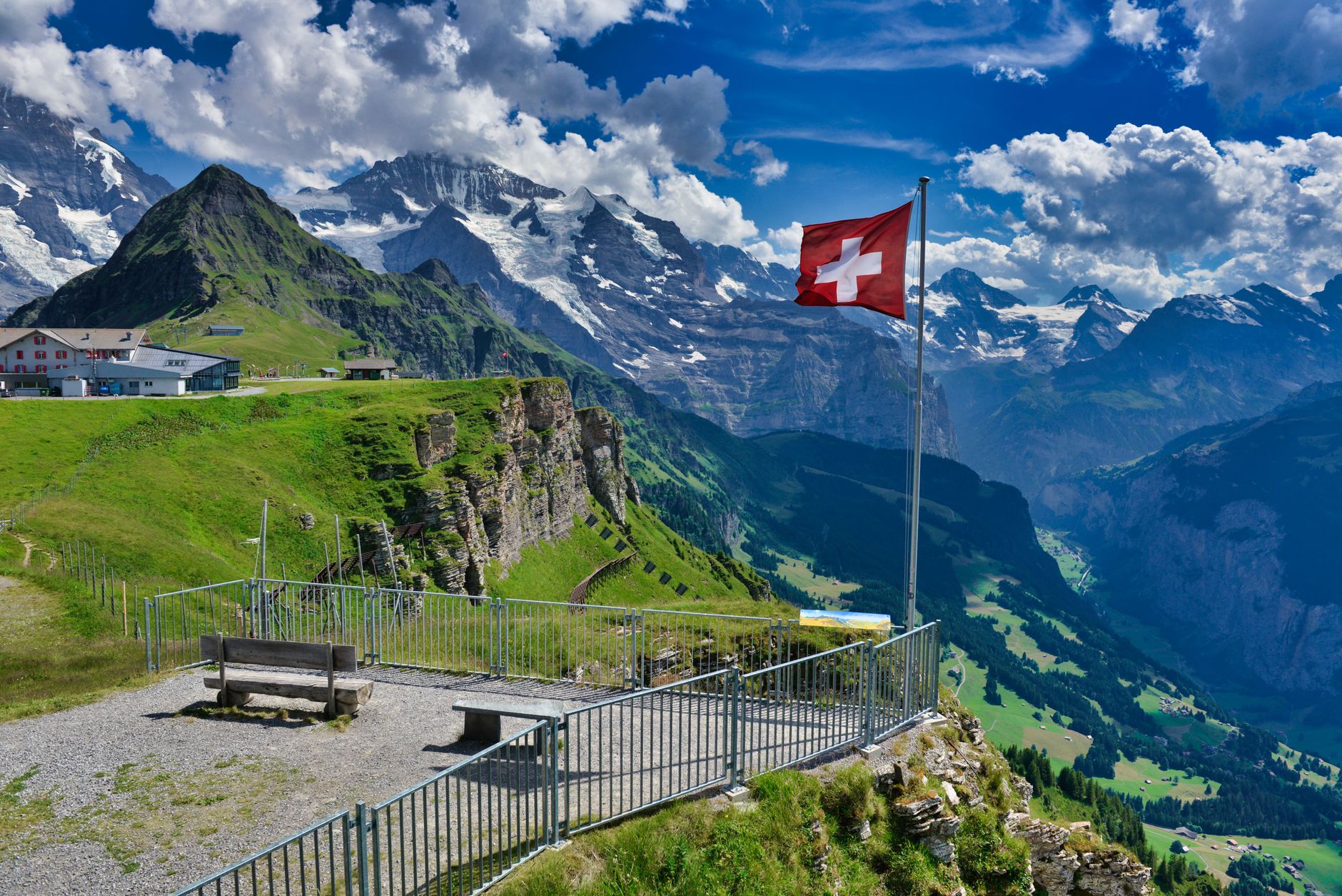
Switzerland, known for its stunning landscapes, charming villages, and vibrant cities, attracts visitors year-round. But when is the best time to visit this picturesque country? The answer depends on what you want to experience, whether it’s skiing in the Alps, enjoying cultural festivals, or hiking through lush greenery.
As a travel destination, Switzerland has something to offer every season, making it essential to consider your preferences before planning your trip. In this article, we will explore the best times to visit Switzerland, highlighting seasonal activities, regional considerations, and logistical tips for a memorable experience.
What Is The Best Time To Visit Switzerland?
The best time to visit Switzerland varies depending on your interests. For skiing and winter sports, December to March offers prime conditions. For hiking and outdoor activities, late spring to early autumn (May to September) is ideal. Additionally, cultural festivals are abundant in summer and fall. Understanding these factors will help you plan the perfect trip.
Winter (December to February)
Winter transforms Switzerland into a snowy wonderland, making it the perfect time for winter sports enthusiasts. If skiing, snowboarding, or snowshoeing is on your agenda, this season will not disappoint.
Activities
- Skiing and Snowboarding: With numerous world-class ski resorts, such as Zermatt, Verbier, and St. Moritz, visitors can enjoy varied slopes suitable for all skill levels.
- Christmas Markets: Late November to December brings festive Christmas markets across cities like Zurich and Lucerne, where visitors can enjoy local crafts, mulled wine, and Swiss specialties.
- Winter Hiking: For a tranquil experience, explore winter trails in the mountains or scenic towns.
Temperature and Weather
Winter temperatures can vary significantly, with averages ranging from -2°C to 5°C (28°F to 41°F), depending on the region. In the mountains, temperatures can drop even further. It’s essential to pack warm clothing and gear to ensure enjoyment while skiing or participating in outdoor activities.
Spring (March to May)
Spring is a beautiful time to visit Switzerland, as the landscapes gradually transform from a wintry scene to blooming gardens and lush greenery. This season is particularly appealing for those who enjoy mild weather and fewer crowds.
Activities
- Flower Festivals: Admire the stunning spring blooms at various floral festivals, including the Tulip Festival in Morges.
- Hiking Season Begins: As snow melts, many trails open, especially in lower elevations, making it a great time for hiking enthusiasts.
- Cultural Events: Spring offers various cultural events and festivals, giving visitors a chance to immerse themselves in local traditions.
Temperature and Weather
Temperatures in spring typically range from 5°C to 15°C (41°F to 59°F). As winter recedes, the weather can be unpredictable, so layering is advisable. Rain is more common in spring, so packing a light waterproof jacket is beneficial.
Summer (June to August)
Summer is often considered the peak tourist season in Switzerland, popular for its warm weather and vibrant outdoor activities. It is an excellent time for a variety of experiences, from hiking to visiting lakes and enjoying leisure time.
Activities
- Hiking and Mountain Biking: Explore well-marked trails across the Swiss Alps and enjoy the breathtaking views. Many trails are accessible, making it ideal for various skill levels.
- Lakeside Activities: Visit the stunning lakes such as Lake Geneva and Lake Lucerne to swim, sail, or simply relax on the shores.
- Cultural Festivals: Participate in music and food festivals that occur throughout the summer months, showcasing Swiss culture and traditions.
Temperature and Weather
Summer temperatures generally range from 15°C to 25°C (59°F to 77°F) in the lowlands while higher altitudes can be cooler. Expect plenty of sunshine but also occasional rain showers. Be sure to bring a variety of clothing options for both warm days and cooler nights.
Autumn (September to November)
Autumn is a magical time in Switzerland as landscapes become vibrant with autumn foliage. The weather remains pleasant, and tourists start to thin out as summer ends.
Activities
- Wine Harvesting: Take part in local vineyard tours and tastings during the grape harvest season.
- Hiking: Enjoy hikes in the cooler weather amidst stunning fall colors. Trails that were crowded in summer become quieter.
- Cultural Events: Attend festivals celebrating local cheese, chocolate, and other culinary delights.
Temperature and Weather
Temperatures in autumn can vary from 5°C (41°F) to 20°C (68°F), depending on the month and location. As the season progresses, it can become chilly, especially in the evenings. Warm layers are recommended as well as a flexible wardrobe for the changing weather.
Regional Considerations
Switzerland is diverse in geography and culture, which impacts the best time to visit different regions. The Swiss Alps present varying conditions compared to cities in the lowlands.
Geneva and the French-speaking Region
Located in the southwest, Geneva enjoys a temperate climate. The best times are spring and summer, when the city comes alive with activities, events, and mild weather.
Zurich and Central Switzerland
In Zurich and nearby cities like Lucerne, summer is ideal for enjoying urban life, outdoor activities, and cultural events. Early autumn is also pleasant, often with beautiful fall foliage.
Interlaken and the Alps
For those venturing into the mountains, summer is best for hiking and outdoor sports, while winter is perfect for skiing. Interlaken is a beautiful gateway for both winter and summer adventures.
Graubünden and Eastern Switzerland
This region is famous for its skiing and hiking. Winter attracts ski enthusiasts, while summer offers magnificent trails. Visiting in late spring can grant access to early warm-weather activities before the summer rush.
Transportation and Getting Around
Switzerland is well-connected, with an efficient public transportation system. Trains, buses, and boats provide easy access to major attractions and remote areas alike. Here are some considerations to keep in mind:
- Swiss Travel Pass: Consider getting a Swiss Travel Pass for unlimited travel on trains, buses, and boats, plus discounts for mountain excursions.
- Trains: The Swiss Rail system is renowned for punctuality and covers most tourist destinations, making it an excellent option for travelers.
- Car Rentals: Renting a car can be convenient, especially for accessing remote spots or exploring the countryside at your own pace.
Accommodation Options
Switzerland offers a wide range of accommodations to suit different preferences and budgets, from luxury hotels to charming guesthouses.
Luxury Accommodations
High-end hotels can be found in major cities and resort areas, providing luxurious amenities and stunning views. Popular examples include the Badrutt’s Palace Hotel in St. Moritz and the Dolder Grand in Zurich.
Mid-range and Budget Accommodations
Mid-range hotels, hostels, and guesthouses offer comfortable accommodations without breaking the bank. Popular options include boutique hotels and traditional Swiss chalets.
Unique Stays
For a unique experience, consider staying in mountain lodges, ski chalets, or even converted train cars. Websites like Airbnb also offer various local options for differing tastes.
Budget Considerations
Switzerland is known for its high cost of living, so budgeting is crucial. Here’s how to keep your trip affordable:
- Food: Eating out can be expensive; consider shopping at local supermarkets or trying street food for budget-friendly options.
- Transportation: Utilize the extensive public transportation system to save money and avoid rental car fees.
- Accommodations: Consider off-season travel for lower accommodation rates or explore options like hostels or homestays.
Practical Tips for Planning Your Trip
Before finalizing your Swiss adventure, keep in mind these practical tips to enhance your travel experience:
- Language: While German, French, and Italian are the official languages, most people in tourist areas speak English, making communication easier.
- Local Customs: Familiarize yourself with local customs and etiquette, particularly regarding dining and public behavior.
- Cash and Credit Cards: While credit cards are widely accepted, it’s advisable to have some cash for small purchases or locations that may not accept cards.
Accessibility and Safety Considerations
Switzerland is known for its safety and cleanliness, making it a great destination for solo travelers and families. Accessibility is generally good, with many trains and buses offering services for passengers with reduced mobility.
However, it is still important to remain aware of personal belongings and practice general safety precautions, especially in crowded areas or public transport. Always check current travel advisories and health guidelines before your trip.
As you plan your visit to Switzerland, be clear about your interests and preferences to determine the best timing and activities for you. The country’s diverse offerings include skiing, hiking, cultural experiences, and breathtaking scenery, ensuring a wonderful travel experience any time of year.
To make the most of your Swiss adventure, start planning today and think about what unique experiences you wish to have, from food and drink to outdoor adventures and cultural festivals.
Explore more travel guides on topics such as the best restaurants in Geneva or the best restaurants in Florence, Italy, making sure to get a taste of local cuisines as you venture through these fascinating destinations.