
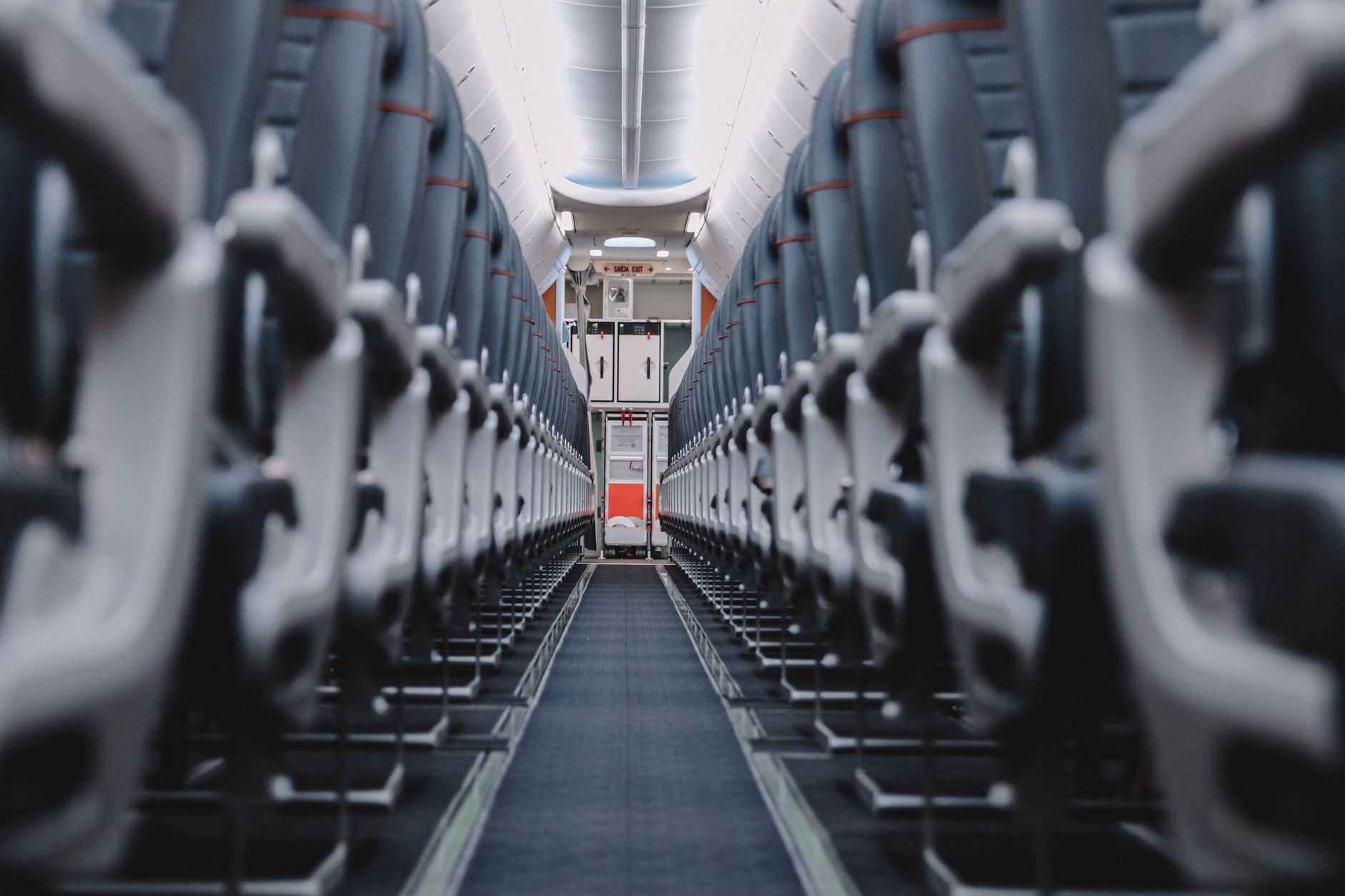
As travelers seek to stay connected while flying, the question arises: can you call on a plane? The answer varies based on airline policies, regulations, and technological advancements. This article will explore whether you can place calls while airborne and the factors influencing those rules.
In recent years, airlines have started introducing Wi-Fi services that allow passengers to connect to the internet during flights. With this connectivity, the possibility of making calls has come into play, but it also raises questions about etiquette, regulations, and functionality. Let’s delve deeper into these aspects.
Can You Call On A Plane?
Generally, making traditional phone calls on a plane is prohibited during flight. This rule stems from regulations set forth by aviation authorities, which aim to ensure safety and minimize distractions. However, several airlines offer in-flight Wi-Fi, enabling passengers to make calls using apps like Skype or WhatsApp.
The legality of using these apps depends on the airline and the equipment they have on board. It is also important to consider that local regulations at the destination may influence individual airline policies.
Why Are Phone Calls Restricted On Planes?
The primary reason for prohibiting phone calls on airplanes relates to safety concerns. Here are some key factors:
- Signal Interference: Mobile phones can emit signals that interfere with an aircraft’s navigation and communication systems, especially during takeoff and landing.
- Distraction: Loud conversations could disrupt other passengers and crew members, impacting the overall in-flight experience.
- Aviation Regulations: The Federal Aviation Administration (FAA) and the Federal Communications Commission (FCC) restrict cellular service on airplanes to safeguard air traffic.
Current Airline Policies on In-Flight Calls
Although conventional phone calls remain largely banned, several airlines have begun to offer alternatives through internet services. Here are some leading airlines’ policies to give you a clearer understanding:
1. Emirates
Emirates allows passengers to use their mobile phones to send and receive messages, as well as make voice calls when the aircraft reaches cruising altitude. However, this feature comes at an additional charge.
2. Delta Airlines
Delta currently prohibits traditional phone calls during flights. However, passengers have the option to use Wi-Fi services for voice calls through applications once the plane reaches 30,000 feet.
3. Air France
Air France allows passengers to make phone calls using Wi-Fi, but it restricts calls to certain designated areas of the aircraft to minimize disruption.
4. JetBlue Airways
JetBlue does not permit traditional phone calls on its flights, and its Wi-Fi service enables users to connect through apps like WhatsApp or Facetime.
The Role of In-Flight Wi-Fi Services
The introduction of in-flight Wi-Fi has transformed how passengers communicate while flying. Here are some points to consider regarding these services:
- Availability: Not all airlines offer in-flight Wi-Fi. Be sure to check availability and pricing before you travel.
- Quality: Wi-Fi performance can vary significantly between airlines and aircraft. Connection speeds may not be sufficient for high-quality voice calls.
- Cost: In-flight Wi-Fi can be costly. Some airlines offer complimentary services, while others charge per flight or day.
Alternatives to Phone Calls During Flights
If you’re concerned about staying in touch while flying, consider these alternatives:
1. Text Messaging Apps
Many apps, such as WhatsApp, iMessage, and Facebook Messenger, allow users to send text messages via Wi-Fi. Most airlines that offer on-board internet will let you use these services during the flight.
2. Email
Similarly, a Wi-Fi connection enables you to send and receive emails without making phone calls. Just ensure that you have the necessary email apps or web login details handy.
3. Social Media
Keep in touch with friends and family through social media platforms like Twitter, Instagram, and Facebook. Most in-flight Wi-Fi services support basic social media functions without requiring extensive bandwidth.
Etiquette for In-Flight Communication
Whether you’re making calls via an app or sending messages, there are guidelines to follow to maintain a respectful environment:
- Volume Control: Keep your voice down if you are using voice apps. Consider using headphones to avoid disturbing your neighbors.
- Timing: Be mindful of the timing and length of your conversations. Try to avoid conducting lengthy discussions that could be disruptive.
- Scheduling Calls: If you know you’ll need to make calls, try to schedule them during less busy times and when flight attendants are available.
Future of In-Flight Communication
The realm of in-flight communication is continuously evolving. As technology advances and more airlines implement reliable in-flight Wi-Fi systems, we may see an increase in the acceptance of voice calls. Potential future developments might include:
- Improved Technology: Higher bandwidth capabilities may allow for more seamless voice and video calling without disrupting the in-flight experience.
- Regulatory Changes: Changes in regulations could influence how airlines handle phone calls in air travel, as governments reassess safety guidelines.
- Increased Competition: As more airlines recognize the demand for connectivity, we may see a broader range of services offered, including potentially permitting direct phone calls.
What Passengers Should Know Before Flying
Before boarding your next flight, consider these factors regarding phone calls and communication aboard:
- Check Airline Policies: Review the policies of the airline you are flying with concerning Wi-Fi and voice calls. Visit their website or contact customer service.
- Pre-Download Necessary Apps: If you plan to use Wi-Fi for communication, ensure you have downloaded necessary apps beforehand to ease the process.
- Secure Your Device: Ensure your phone is in airplane mode as soon as the cabin crew announces. This way, you comply with regulations while keeping communication options available through Wi-Fi.
Conclusion
In-flight phone calls are largely restricted but not entirely off the table thanks to technological advancements and app-based services. Awareness of individual airline policies, etiquette, and available alternatives will help you stay connected without compromising the peace and safety of air travel.
As you prepare for your next adventure, consider exploring other travel essentials, such as finding the best restaurants in Phoenix airport or uncovering the best restaurants in Atlanta airport for on-the-go dining options. Safe travels!