
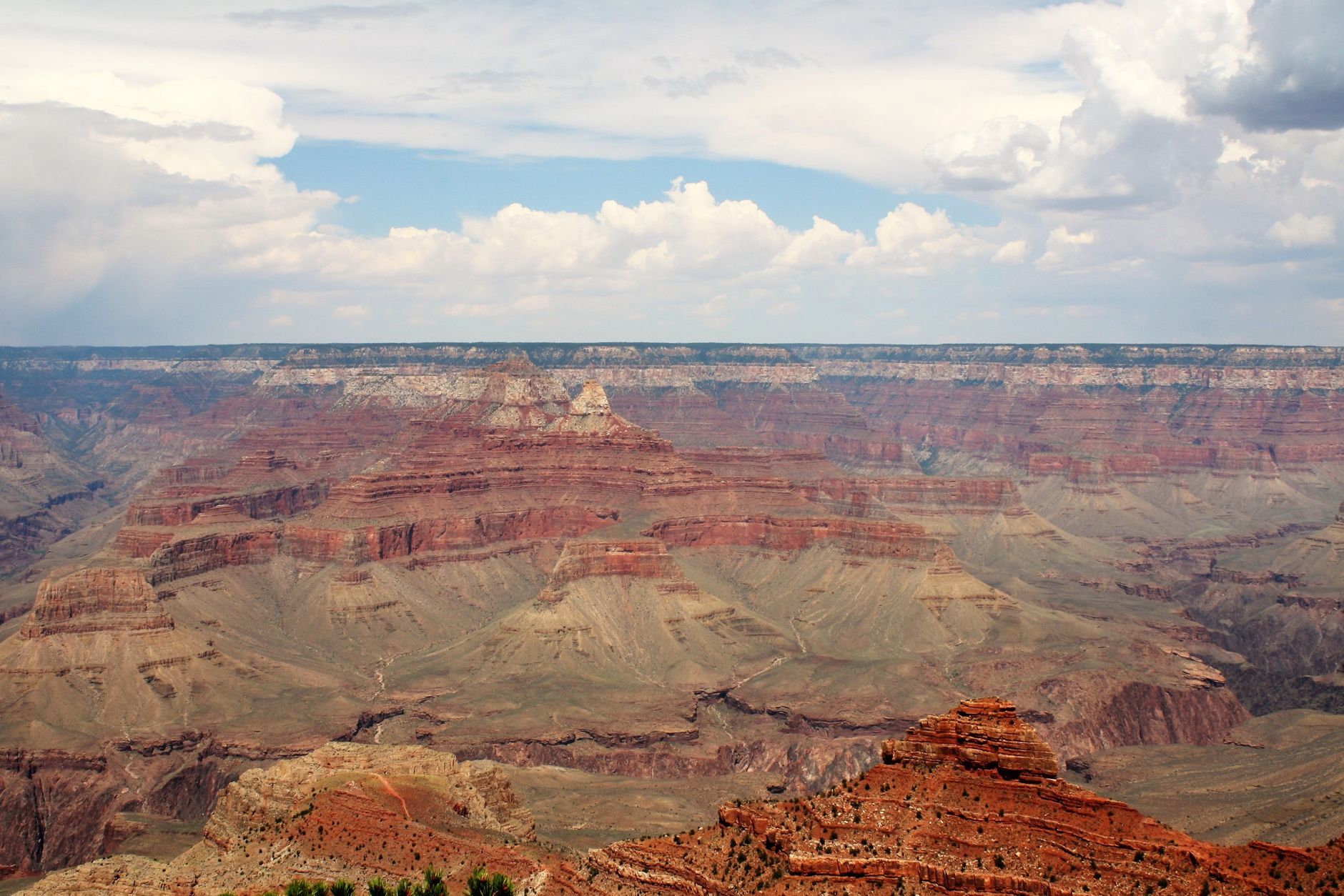
The Grand Canyon is one of the most iconic natural wonders in the United States, attracting millions of visitors each year. Whether you’re planning a family vacation, a solo adventure, or a road trip with friends, understanding how far the Grand Canyon is from various locations can shape your itinerary and overall travel experience. This guide will explore the distances, travel times, transportation options, and additional tips to make your journey to this breathtaking destination smooth and enjoyable.
We’ll break down the key distances from notable cities, accessible routes, and tips on planning your Grand Canyon visit, ensuring that you have all the information you need for a memorable experience.
How Far To The Grand Canyon?
The Grand Canyon is approximately 277 miles long, but the distance you travel will depend on your starting point. For context, here are some approximate distances to various points of interest at the Grand Canyon:
- From Las Vegas, NV: 275 miles to the South Rim
- From Phoenix, AZ: 230 miles to the South Rim
- From Flagstaff, AZ: 80 miles to the South Rim
- From Williams, AZ: 60 miles to the South Rim
- From Sedona, AZ: 110 miles to the South Rim
- From Page, AZ: 130 miles to the North Rim
Getting to the Grand Canyon
Understanding how to reach the Grand Canyon is crucial, as it can be accessed from several states and cities. Here are some of the primary modes of transportation:
Driving
Driving is one of the most popular ways to reach the Grand Canyon. Most visitors arrive by car, allowing for the flexibility to enjoy scenic drives and stop along the way. The major highways leading to the South Rim include:
- I-40: From points east and west, connect to AZ-64 North toward the Grand Canyon.
- AZ-180: A scenic drive connecting Flagstaff to the Grand Canyon.
- Route 66: An iconic highway that adds a nostalgic touch to your road trip.
Flying
If you’re coming from farther away, flying into major airports may be your best option. The nearest airports that provide access to the Grand Canyon are:
- Grand Canyon Airport (GCN): Located just 7 miles from the South Rim.
- Flagstaff Pulliam Airport (FLG): Approximately 80 miles from the South Rim.
- Phoenix Sky Harbor International Airport (PHX): About 230 miles away, offering more flight options.
- Las Vegas McCarran International Airport (LAS): Roughly 275 miles from the South Rim, often a favored entry point for visitors.
Once you land, consider renting a car or booking a shuttle service to reach the Grand Canyon.
Public Transportation
There are limited public transportation options directly to the Grand Canyon, but shuttles and tour buses are available from nearby cities. For instance:
- From Las Vegas: Various tour companies offer day trips to the Grand Canyon, providing guided services.
- From Flagstaff: Shuttle services run regularly to the Grand Canyon National Park.
What to Do at the Grand Canyon
Once you arrive, the Grand Canyon offers a wealth of activities and attractions. Here’s a rundown of popular things to do at the park:
Hiking
The Grand Canyon is a hiker’s paradise with trails of varying difficulty. Some notable trails include:
- Bright Angel Trail: A well-maintained path ideal for all levels, offering stunning views and water stations.
- South Kaibab Trail: Known for its panoramic views, but be prepared for steep hikes.
- Rim Trail: An easier option with various viewpoints, suitable for families.
Scenic Viewpoints
No visit to the Grand Canyon is complete without stopping at popular viewpoints, such as:
- Grandview Point: Offers breathtaking vistas of the canyon.
- Mather Point: A popular and accessible viewpoint that gets busy; arrive early for the best experience.
- Yavapai Point: Situated near the visitor center, this point provides excellent views and geological exhibits.
Rafting and River Trips
Experience the canyon from below by taking a rafting trip on the Colorado River. Various tour companies offer guided experiences ranging from half-day adventures to multi-day rafting excursions.
Helicopter Tours
For a unique perspective, consider a helicopter tour of the Grand Canyon. These flights give an overview of the canyon’s vastness and beauty, offering breathtaking photographic opportunities.
Best Time to Visit the Grand Canyon
When you plan your visit to the Grand Canyon can greatly affect your experience. Here’s an overview of what to expect during different seasons:
Spring (March to May)
Spring is a fantastic time to visit, as the weather is mild and flowers are in bloom. Crowds are manageable, especially if you visit before schools are out for summer.
Summer (June to August)
Summer is the peak season for visitors, especially at the South Rim. Temperatures can be hot, especially at lower elevations, so prepare accordingly. Early morning visits can help you beat the crowds.
Fall (September to November)
Fall offers mild temperatures and beautiful autumn foliage, making it another excellent time to visit. The crowds disperse as school resumes, yielding a more serene experience.
Winter (December to February)
Winter at the Grand Canyon sees fewer visitors, and the experience can be magical with occasional snowfall. However, some facilities may have limited hours, and certain trails may be icy.
Accommodation Options Near the Grand Canyon
Inside the Park
Staying inside Grand Canyon National Park provides quick access to trails and viewpoints. Here are a few options:
- El Tovar Hotel: A historic lodge with stunning canyon views, though it tends to book out quickly.
- Bright Angel Lodge: Affordable options and easy access to the Bright Angel trailhead.
- Maswik Lodge: Situated near the rim, this lodge offers a comfortable stay for families.
Nearby Towns
If full accommodations within the park are unavailable, consider these nearby towns:
- Williams: A charming town on Route 66 with plenty of dining and lodging options.
- Flagstaff: Offers a variety of hotels and a vibrant atmosphere with shops and eateries.
- Grand Canyon Village: The main hub for visitor services, it provides additional accommodation options.
Budget Considerations
Understanding your budget is crucial in planning a trip to the Grand Canyon. Here are key factors to keep in mind:
Entrance Fees
Visiting the Grand Canyon National Park incurs an entrance fee. As of the latest updates, the fee is:
- $35 per vehicle (valid for seven days)
- $20 per individual if entering on foot or bike
Accommodation Costs
Accommodation prices vary significantly based on location, season, and type:
- Lodging inside the park tends to be priceier and often books out months in advance.
- Hotels in nearby towns might offer more affordable options but may require additional travel time.
Food and Supplies
Dining options vary, from casual cafes to fine dining within the park:
- Plan for higher prices at park facilities compared to nearby towns.
- Consider bringing snacks and meals to save money, especially for hikes or day trips.
Practical Travel Tips
To make the most of your trip to the Grand Canyon, consider these practical tips:
Stay Hydrated
Hiking and exploring are thirsty work. Carry plenty of water, especially during warmer months.
Wear Appropriate Gear
Comfortable hiking shoes and weather-appropriate clothing are a must. Layering is key since temperatures can vary widely.
Plan Your Itinerary Ahead
Prioritize your must-see viewpoints and activities, as the park is vast and can be overwhelming without a plan.
Respect Nature
Stay on marked trails, observe wildlife from a distance, and leave no trace behind to protect this natural wonder.
Accessibility Considerations
The Grand Canyon strives to be accessible for all visitors. Key features include:
Visitor Centers
Visitor centers at the South Rim provide accessible restrooms and exhibit areas to learn more about the canyon.
Accessible Trails
Several viewpoints at the South Rim, like Mather Point, are accessible for those with mobility challenges.
Conclusion and Next Steps
The Grand Canyon offers unparalleled natural beauty, thrilling activities, and opportunities for unforgettable experiences. With careful planning regarding distance, travel time, and accommodation, you can craft the perfect itinerary that showcases the diverse offerings of this majestic location. Take the next step in your travel adventure by exploring related destination guides and travel-planning articles, including the best restaurants in Arizona or the best restaurants in Phoenix.