
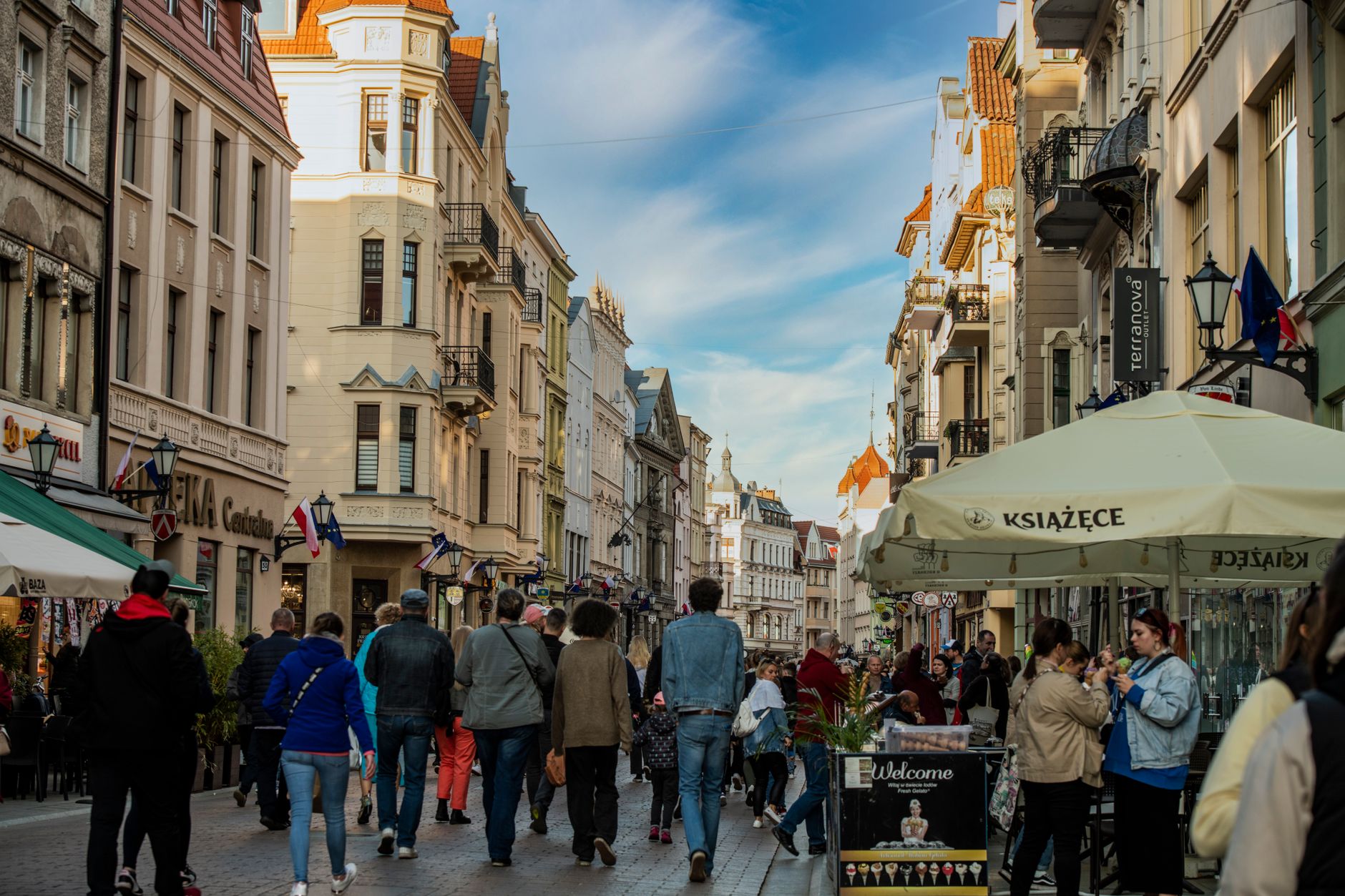
Denver, known as the Mile High City, has a vibrant culture, stunning natural beauty, and a burgeoning dining scene. However, an important consideration for travelers is whether Denver is a walkable city. Exploring the city by foot can unlock unique experiences, but understanding its layout and accessibility is vital for making the most of your visit.
This article will delve into Denver’s walkability, offering insights into the best neighborhoods, tips for navigating the city, and practical travel advice. Whether you’re planning a romantic getaway, a family trip, or a solo adventure, these details will help you decide how to explore Denver.
Is Denver A Walkable City?
Denver is considered moderately walkable, with many attractions concentrated in walkable neighborhoods. The city offers a mix of walkable areas and public transportation options ideal for visitors who prefer to explore on foot. However, some areas may require additional planning for pedestrians.
Neighborhoods to Explore on Foot
To maximize your walking experience in Denver, focus on specific neighborhoods that are known for their pedestrian-friendly amenities. Here are some of the best areas to explore:
1. LoDo (Lower Downtown)
LoDo is one of Denver’s most vibrant neighborhoods, characterized by its historic brick buildings, trendy shops, and eclectic dining options. The area is packed with bars, restaurants, and art galleries, making it ideal for leisurely strolls.
2. Capitol Hill
Capitol Hill offers a unique mix of culture and history, featuring the Colorado State Capitol and beautiful parks. The neighborhood is known for its historic homes, artsy vibe, and a variety of cafes and boutiques, making walking around both enjoyable and stimulating.
3. Denver Central Park
Central Park, the large urban park located in the heart of Denver, is perfect for those who enjoy green spaces. You can find miles of trails, playgrounds, and picnic areas, making it a great spot for families and outdoor enthusiasts alike.
4. River North Art District (RiNo)
The RiNo area is famous for its vibrant street art and creative community. Explore galleries, breweries, and restaurants as you walk around—this neighborhood is a gem for art lovers and foodies. It’s also a great area for weekend markets and festivals.
5. Cherry Creek
Cherry Creek is home to high-end shopping, art galleries, and beautiful green spaces. Walk along the Cherry Creek Trail, a scenic path that winds along the creek, or explore the Cherry Creek Shopping Center for a mix of dining and retail options.
Top Attractions Within Walking Distance
When exploring Denver on foot, several attractions are easily accessible in the above neighborhoods, allowing you to soak in the city’s culture and history:
- Denver Art Museum: A premier art museum known for its Native American art collection, located near the Civic Center Park.
- Union Station: A historic transit hub featuring shops, restaurants, and a bar scene, located in LoDo.
- Denver Botanic Gardens: A beautiful outdoor space with diverse gardens and art installations, located in the Cheesman Park area.
- Coors Field: Home to the Colorado Rockies, this baseball stadium is situated in LoDo and can be reached by foot while enjoying the surrounding cafés.
- Denver Museum of Nature & Science: A family-friendly attraction that’s a bit farther out, but you can access it via a pleasant walk through City Park.
Getting Around Denver
While certain areas of the city are walkable, you might encounter some distances that require other modes of transportation. Here’s a breakdown of how to effectively navigate Denver:
Public Transportation
Denver’s public transportation system, known as the Regional Transportation District (RTD), offers bus and light rail services that are effective for reaching various parts of the city:
- Light Rail: The light rail system connects many neighborhoods and suburbs, making it easy to reach destinations outside the walkable areas.
- Buses: Buses run frequently and cover a wide area, useful for longer distances.
- Access for Every Traveler: The RTD services are relatively affordable, and many areas have designated stops close to most attractions.
Biking
Denver is bike-friendly, providing bike lanes and rental programs, such as the B-Cycle program:
- B-Cycle: A bike-sharing program where you can rent bikes for short trips or all-day use, making it a convenient and active way to explore.
- Bike Routes: The city has numerous designated bike paths, particularly along the South Platte River and throughout city parks.
Rideshares and Taxis
Rideshare services like Uber and Lyft are widely available in Denver and can be a practical option for getting around when you prefer not to walk or bike. Traditional taxis also operate throughout the city.
Practical Tips for Exploring Denver on Foot
While Denver boasts many pedestrian-friendly features, here are some practical tips to enhance your walking experience:
- Wear Comfortable Shoes: Stylish or fancy footwear may be tempting, but comfortable walking shoes are essential for longer explorations.
- Use a Map or a Navigation App: Familiarize yourself with the neighborhoods you plan to visit. Smartphone maps can help guide your walking route effectively.
- Stay Hydrated: The Denver altitude can lead to dehydration, so ensure you carry water with you, especially on warm days.
- Plan for Elevation Changes: Denver’s elevation can mean navigating hilly areas; include breaks in your walks if needed.
- Check the Weather: Denver experiences fluctuating weather. Always check forecasts and dress accordingly.
Best Seasons to Visit for Walking
Walking around Denver is enjoyable year-round, but certain seasons present distinct benefits and challenges:
Spring and Fall
These transitional seasons offer mild temperatures, vibrant foliage in fall, and blooming flowers in spring. Both seasons are excellent for lengthy walks and outdoor activities. Expect to be rewarded with stunning vistas of the Rocky Mountains.
Summer
Summer is warm and great for exploring outdoor attractions or hiking nearby trails. Early mornings or evenings tend to be less crowded and more comfortable for walking.
Winter
Denver’s winters can bring snow and chilly weather. Winter walking can still be enjoyable but is best done with appropriate clothing, and many attractions remain open, offering unique winter activities.
Where to Stay in Denver
Finding suitable accommodations can enhance your experience. Here are some recommended areas to stay for easy access to walkable neighborhoods:
1. Downtown Denver
Staying here puts you at the center of attractions like Union Station, 16th Street Mall, and the Denver Art Museum.
2. LoDo Neighborhood
This trendy area offers a variety of boutique hotels and is famous for its nightlife, dining, and easy access to public transit.
3. Capitol Hill
Accommodation options here are more budget-friendly and provide easy access to cultural sites and parks, perfect for families and solo travelers.
4. Cherry Creek
If luxury shopping is your interest, this area offers upscale hotels along with nearby parks and dining options.
Budgeting for Your Trip
Understanding the costs associated with a visit to Denver can help you budget effectively:
Accommodation Costs
Hotel prices can vary, but you can find options that suit every budget. Expect higher rates in the peak tourist seasons (summer and winter), while fall and spring may offer more affordable rates.
Food and Drink Expenses
Denver boasts a diverse culinary scene, with a variety of dining options available for every budget:
- Budget Dining: Food trucks and casual eateries can keep costs low, with many offering delicious options under $10.
- Mid-range Options: Restaurants in neighborhoods like LoDo and RiNo typically average $15-30 per person for a meal.
- Fine Dining: Expect to spend $50 or more per person at upscale locations, especially if you’re enjoying a multi-course meal.
Attraction Costs
Many attractions, parks, and neighborhoods are free to explore, while some museums may charge admission fees that vary. Always verify prices and availability before your visit.
Accessibility and Safety Considerations
Denver strives to be accessible for all travelers, but varying terrain may present challenges in mobility:
Accessibility
While many attractions and public transport options cater to wheelchair access, always check in advance regarding specific locations. Denver also provides bike rentals tailored for adaptive riders, ensuring inclusivity.
Safety Tips
Denver is generally considered safe for walking, especially in popular neighborhoods. Nevertheless, here are some safety tips:
- Avoid poorly lit areas, particularly at night.
- Be aware of your surroundings, especially in crowded spaces or tourist hotspots.
- Keep personal belongings secure and be cautious of pickpockets in busy areas.
Conclusion
Denver is a walkable city that offers visitors a unique blend of urban experiences and outdoor activities. With well-defined neighborhoods, numerous attractions, and accessible transportation, walking around the city can lead to delightful discoveries. Focus your visits on vibrant, pedestrian-friendly areas, and take advantage of Denver’s efficient public transit when necessary. Make the most of your trip by preparing for your walks and soaking up the stunning views!
For further insights into exploring Denver, check out our guides on the best restaurants in Denver and the best walkable cities in the US. Happy travels!