
Visiting South Korea can be an exciting adventure filled with rich culture, delicious food, and stunning landscapes. However, as with any international trip, it’s essential to prepare, which includes understanding electrical requirements. One of the most common questions travelers ask is, “What plug does Korea use?”
In South Korea, the standard voltage is 220 V, and the frequency is 60 Hz. The country primarily uses Type C and Type F plugs. Travelers need to be aware of these specifications to ensure their devices are compatible and can be charged without issue. Below, we provide detailed information that can help you prepare for your trip, including plug types, tips for using electrical devices, and helpful travel considerations.
What Plug Does Korea Use?
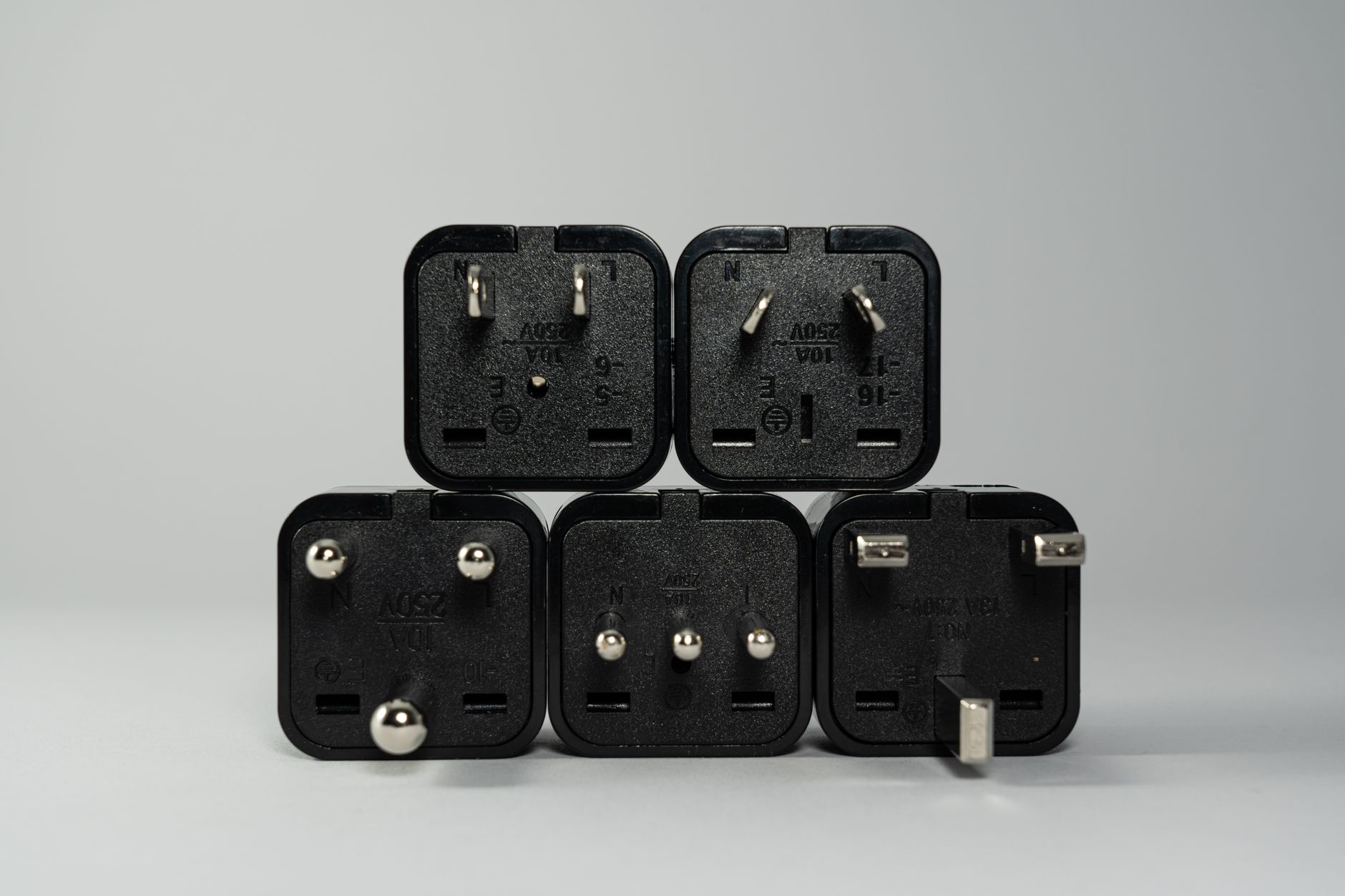
South Korea primarily uses two types of plugs: Type C, which has two circular pins, and Type F, which has two circular pins with grounding clips. Both types fit into the same socket, known as the Europlug. Whether you are bringing a phone charger, camera battery, or laptop, you will need a compatible plug or an adapter.
Understanding the Plug Types
Type C Plug
The Type C plug is widely used across Europe and consists of two round pins spaced 19 mm apart. It does not have a grounding pin, making it suitable for devices that do not require grounding. If your devices use this plug type, you can use them in Korea without any issues.
Type F Plug
The Type F plug is similar to the Type C but comes with two grounding clips on the sides. This plug is commonly used for heavier appliances that require grounding. If your electronics are equipped with this type of plug, you can also use them in South Korea without difficulties.
Voltage and Frequency in South Korea
As mentioned earlier, South Korea operates on a voltage of 220 V and a frequency of 60 Hz. Make sure your devices can handle this voltage; many modern electronics can automatically adjust, but it’s always prudent to check.
Device Compatibility: Are Your Electronics Safe?
Before leaving for your trip, check whether your electronic devices can handle the local voltage. This is crucial for devices like hair dryers, coffee machines, or any appliance that generates heat. Typically, the following applies:
- If your device is dual-voltage (for example, 100-240 V), it will work fine in South Korea with just a plug adapter.
- If your device is single-voltage (for example, 110 V), you’ll need a voltage converter to safely use it in Korea.
Many phone chargers and laptops are dual-voltage, which makes them less of a hassle when traveling. However, always double-check the specifications found on the device or charger.
Buying or Renting Adapters
There are several options for obtaining a travel adapter for South Korea:
- Buying Before You Travel: Many stores sell travel adapters. Ensure the adapter you select is compatible with Type C and Type F plugs.
- Renting Adapters: Some airports and hotels in South Korea offer rental services for adapters. This might be more convenient but can sometimes be pricier.
- Buying Upon Arrival: You can find adapters at electronics stores, convenience stores, and airports after arriving in South Korea, though prices may vary.
Essential Travel Tips for Using Electronics in Korea
Consider Buying a Travel Adapter Set
A travel adapter set often includes multiple plug types and may include USB ports for easy charging of multiple devices at once.
Look for Multi-Charging Stations
Many hotels and airports provide charging stations where you can charge various devices—even if you’re using different plug types. It’s always handy to carry a portable charger as a backup.
Check for Plug Compatibility in Your Hotel
It’s a good practice to verify with your hotel before arrival if they have adapters available for guests. Some modern hotels provide these as a convenience.
Destination Insights: Best Times to Visit Korea
The best time to visit South Korea typically depends on your preferences, but spring (March to May) and fall (September to November) are widely regarded as ideal due to mild weather and vibrant landscapes. Be mindful of electrical usage during these times if traveling with large groups or families, as many use their devices for photography or planning while sightseeing.
Planning Your Stay: Accommodation Tips
When choosing where to stay in South Korea, consider the following:
- Location: Popular areas include Seoul, Busan, and Jeju Island. Urban locations often have modern facilities, while rural areas may have fewer electrical amenities.
- Type of Accommodation: Hotels typically provide electrical outlets in more convenient locations, while hostels may require you to check compatibility before usage.
Getting Around Korea: Transportation Tips and Charging
As you explore South Korea, you can benefit from convenient modes of transport like subway trains, buses, and taxis. Also, consider how to keep your devices charged while on the go:
- Purchase a portable power bank to recharge your devices conveniently.
- Many subway stations offer charging points.
- Download maps and guides ahead of time in case you cannot charge during your trip.
Food and Drink Recommendations
As you prepare for your trip, don’t forget the flavorful Korean cuisine. Here are some popular dishes you might try:
- Bulgogi: Marinated beef grilled to perfection.
- Kimchi: Fermented vegetables, a staple in Korean dining.
- Japchae: Stir-fried sweet potato noodles.
For maintaining device charges during culinary adventures, consider choosing accommodations with cafes or proximity to dining areas with charging ports. It makes life easier when visiting busy districts. Don’t forget to indulge in K-drama-inspired cafes; they often have modern outlets available.
Budgeting for Your Trip
Understanding costs while traveling in Korea can help you plan appropriately:
- Food: Meals can range from affordable street food (approximately $1-$5) to fine dining ($20-$50).
- Transport: Public transportation is relatively cheap. A subway ride could be about $1-2.
- Accommodation: Prices can vary widely based on location, from budget hostels ($15-$30) to luxury hotels ($100 and above).
Your Smart Packing Guide for Korea
To ensure you have everything you need for a smooth trip, refer to this packing list:
- A universal travel adapter compatible with Type C and Type F plugs
- Portable power bank for on-the-go charging
- Medications and any specific chargers for electronics
- Light clothing for Korea’s humid summers and layers for chilly winters
Also, include a power strip for multiple devices, ensuring those plugs fit the Korean sockets.
Safety Considerations While Traveling in Korea
South Korea is generally a safe country for travelers. However, always observe basic safety precautions:
- Be aware of your belongings, especially in crowded places.
- Follow local guidelines, especially when charging devices in public spaces.
- Stay informed about health guidelines that may affect your travel.
Conclusion
In summary, South Korea is an incredible destination that requires a little electrical planning. Knowing that the country uses Type C and Type F plugs and operates on a voltage of 220 V helps ensure you are prepared for your trip. Whether you’re wandering the streets of Seoul or exploring Jeju Island, being equipped with the right adapters and an understanding of local electrical standards can make your adventure much smoother.
For further travel inspiration, consider exploring our guides on traveling essentials or checking out our recommendations for the best restaurants in Hanoi, Vietnam. Happy travels!