
Where did Marco Polo live? This question not only sparks curiosity about the famous explorer’s life, but it also unfolds the rich history of places shaped by his journeys. Marco Polo, known for his travels along the Silk Road to China, has connections that extend beyond his time spent in Asia. This guide will explore the various places where Marco Polo lived, particularly focusing on his early years in Venice, his extensive travels, and later life in various regions of Italy.
Understanding where Marco Polo lived gives insight into the cultures that influenced him and the historical context of his remarkable tales. From the canals of Venice to the contrasting landscapes of Asia, Polo’s life is a fascinating study of exploration and cultural exchange. Here’s everything you need to know for a journey tracing the footsteps of Marco Polo.
Where Did Marco Polo Live?
Marco Polo lived primarily in Venice, Italy, where he was born in 1254. He spent significant periods traveling across Asia and back, especially in regions such as China and Persia, before returning to Venice in the late 13th century. His later years were also spent in various parts of Italy until his death in 1324.
Marco Polo’s Early Life in Venice
Born into a merchant family, Marco Polo grew up in Venice, a city renowned for its trade and rich cultural landscape. Venice, built on 118 small islands, was a center of commerce and cultural exchange between Europe and the East.
- Birthplace: Marco Polo was born in 1254 in the Polo family home in the Venetian Republic.
- Family Background: His family were wealthy merchants who traveled extensively, influencing Marco’s own adventures.
Venice in the 13th century was a melting pot of cultures, with influences from the Byzantine Empire, the Islamic world, and beyond. The bustling markets and canals provided an ideal childhood for the imagination of a young traveler.
The Impact of Venice on Marco Polo’s Travels
Venice’s strategic location as a trading hub played a significant role in shaping Polo’s narratives. The city’s maritime power and connections to Asia facilitated extensive trade routes. These trade routes would later influence Marco’s famed journey across the Silk Road.
- Cultural Melting Pot: Exposure to diverse cultures inspired Polo’s interest in travel and exploration.
- Trade Networks: Knowledge of existing trade routes helped him navigate his travels effectively.
Marco Polo’s Travels to Asia
In 1271, at the age of 17, Marco Polo began his journey to Asia alongside his father and uncle. This venture would become legendary, following the Silk Road and beyond into the heart of the Mongol Empire.
The Silk Road Journey
During his years of travel, Polo visited many territories:
- Persia (Iran): He spent time in Tabriz, which was a critical trading city.
- The Mongol Empire: He traveled to the court of Kublai Khan, in modern-day Mongolia.
- China: Polo spent approximately 17 years in China, where he witnessed its vast landscapes and cultures.
His experiences in these regions provided rich material that would later be documented in “The Travels of Marco Polo.” His time in Asia greatly influenced European views on the East.
Polo’s Return to Venice
Marco Polo returned to Venice in 1295, after nearly 25 years away, bringing with him extensive knowledge about the East. His return was marked by tales of adventure and intrigue, offering a window into far-off lands.
Upon his return, he found Venice embroiled in conflicts, notably the war against Genoa. His rich stories made him a celebrity among the Venetian elite. These experiences solidified his status as one of the most recognized explorers of the Middle Ages.
Later Life and Death in Italy
After his famed travels, Polo settled in Venice, marrying a woman named Donata. He lived relatively quietly, sharing his adventures through storytelling and eventually influencing many future explorers and writers.
Final Years and Legacy
In his later years, Marco Polo resided primarily in a house in the San Giovanni Crisostomo area of Venice. It was during this time that he dictated his travel stories to Rustichello da Pisa, a writer he met while imprisoned during a conflict with Genoa.
Marco Polo passed away in 1324, leaving behind a legacy that shaped perceptions of the East for centuries. His renowned book on his travels not only chronicled his incredible experiences but also ignited interest in trade and exploration across Europe.
Visiting Sites Related to Marco Polo in Venice
If you are eager to trace Polo’s path in Venice, there are several sites you can explore:
- Polo Home: Visit the Palazzo Polo, which is believed to be the birthplace of Marco Polo.
- Campiello dei Miracoli: A charming little square that features a statue of Marco Polo.
- Rialto Bridge: One of the iconic symbols of Venice dating back to Polo’s time.
Exploring Venice: A Practical Travel Guide
Venice is a unique city that deserves a thorough exploration when following in the footsteps of Marco Polo. Here are key aspects to consider:
Getting There
Venice is accessible via major airports, with Marco Polo Airport being the principal international gateway. Once in Venice, you can navigate using various modes of transport:
- Water Transport: Vaporetto (water bus) services run regularly across the Grand Canal.
- Walking: Many of Venice’s attractions are within walking distance, making it a pedestrian-friendly city.
Where to Stay
Venice offers accommodation options ranging from luxury hotels to budget hostels. Consider the following neighborhoods based on your travel style:
- San Marco: Perfect for first-time visitors close to major attractions.
- Dorsoduro: A quieter area ideal for art lovers, home to the Peggy Guggenheim Collection.
- Cannaregio: A less touristy district with authentic Venetian experiences.
Best Time to Visit
Venice has a temperate climate, making it a year-round destination. However, consider timing your visit for less crowded seasons:
- Spring (March to June): Ideal for mild weather and blooming flowers.
- Fall (September to November): Offers golden hues and fewer tourists.
Budget Considerations
Traveling to Venice can range from budget-friendly to luxury, depending on your choices. Here are some tips:
- Accommodation: Prices peak in summer; book in advance for better rates.
- Dining: Explore local eateries away from major tourist attractions for authentic and affordable meals.
- Attractions: Consider combined tickets for multiple attractions for savings.
Exploring Other Points of Interest Related to Marco Polo
While Venice is a significant place related to Marco Polo, other locations hold historical importance regarding his life and travels:
Kublai Khan’s Court in Mongolia
During his time in Asia, Polo spent years at the court of Kublai Khan. This area, now part of modern-day Mongolia, signifies one of the most influential moments in his travels.
The Silk Road
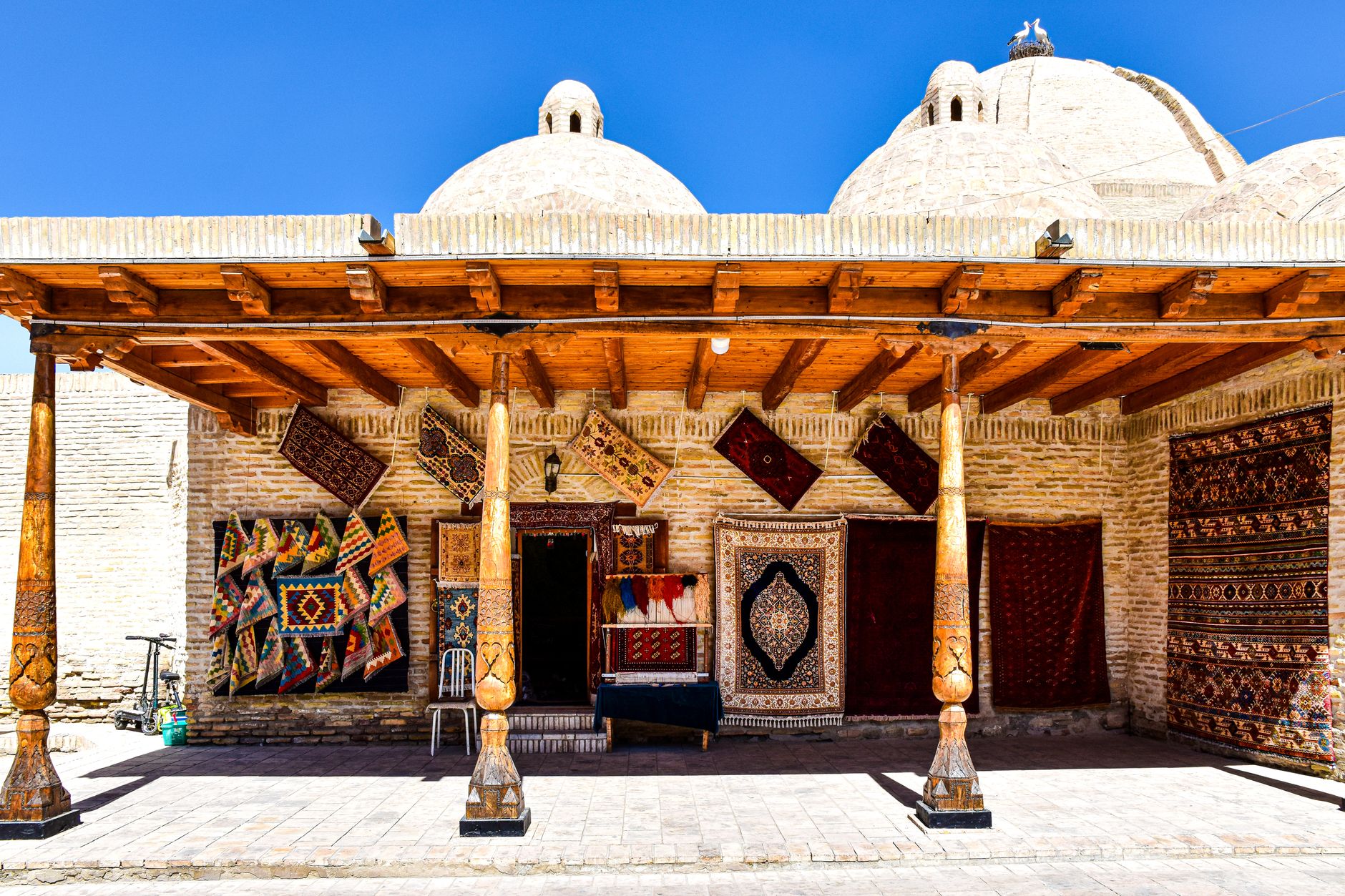
The various routes he took along the Silk Road are still explored today. Discover the cultures and histories of cities like Samarkand and Bukhara.
Traveling in China
Polo’s accounts detail his travels in what was then the Mongol-controlled China. Regions like Xi’an, once the starting point of the Silk Road, are rich in cultural heritage.
Understanding Marco Polo’s Influence on Travel
Marco Polo’s stories of adventure inspired generations of explorers. He played a crucial role in fostering curiosity about the East and encouraged future trade and cultural exchanges.
Impact on European Exploration
His extensive accounts prompted explorers like Christopher Columbus and Vasco da Gama to seek new routes to the East. Polo’s influence is evident in the mapping of trade routes, the quest for goods, and even cultural appreciation.
His Legacy in Modern Literature and Media
Marco Polo’s adventures have been chronicled and celebrated through literature, films, and television series. His name has become synonymous with adventure and exploration.
Conclusion
In summary, Marco Polo’s life was a fascinating weave of cultures and experiences beginning in Venice and traversing Asia. His journeys shaped the understanding of different lands and peoples, and his legacy endures through stories that encourage exploration and curiosity.
To delve deeper into the world that shaped Marco Polo, check out our guides on the best restaurants in Italy and the best restaurants in Venice. These resources will help enrich your travel experience as you follow the footsteps of this historic figure.