
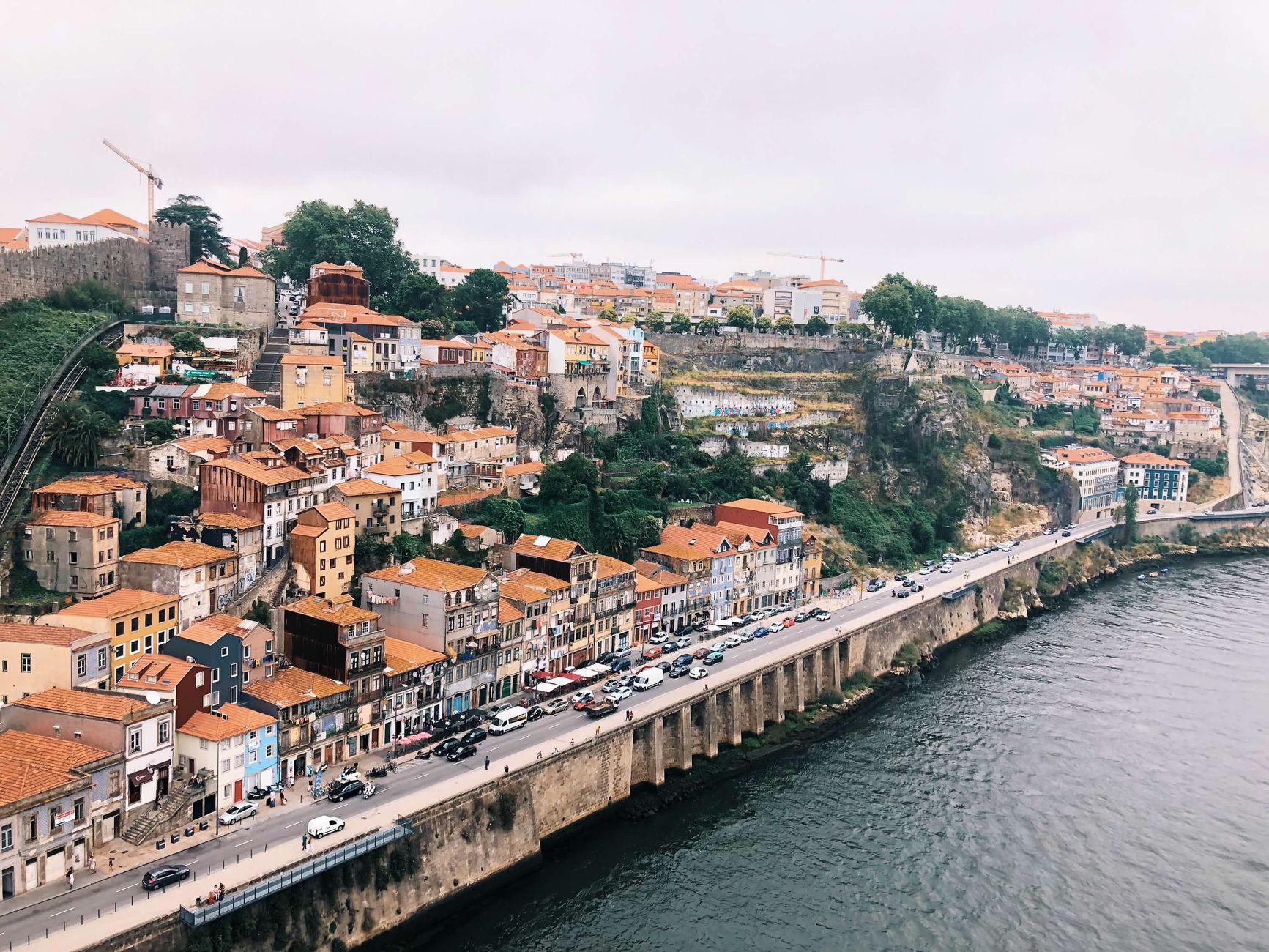
Budapest, the capital city of Hungary, is a vibrant cultural hub known for its stunning architecture, rich history, and relaxing thermal baths. Nestled along the banks of the Danube River, it is divided into two distinct areas, Buda and Pest, which are connected by several beautiful bridges. This article explores what Budapest is known for, including its must-see attractions, local cuisine, transportation tips, and the best times to visit.
With its unique blend of Eastern and Western influences, Budapest appeals to a variety of travelers—from history buffs and architecture enthusiasts to adventure seekers and foodies. Whether you’re planning a short getaway or a longer stay, this guide will help you navigate the best of what Budapest has to offer.
What Is Budapest Known For?
Budapest is known for its iconic landmarks like the Parliament Building and Buda Castle, cultural institutions such as museums and galleries, and famous spa baths. Its culinary scene, vibrant nightlife, and historical significance make it a popular destination in Europe.
Iconic Landmarks
Budapest is home to numerous landmark attractions that showcase its rich history and stunning architecture. Here are some must-visit sites:
-
Parliament Building
The Hungarian Parliament Building is one of the most recognizable structures in Budapest. Its neo-Gothic architecture and stunning location along the Danube River make it a symbol of the city.
-
Buda Castle
This historical palace complex offers breathtaking views of the city and is home to the Hungarian National Gallery and the Budapest History Museum.
-
Fisherman’s Bastion
Providing panoramic vistas of the Danube, the Fisherman’s Bastion is a fairy-tale-like terrace that is perfect for taking photos and enjoying a leisurely stroll.
-
St. Stephen’s Basilica
This impressive church is named after the first King of Hungary and features a stunning dome. Visitors can climb to the dome for an exceptional view of the city.
-
Chain Bridge
As the first permanent bridge across the Danube in Budapest, the Chain Bridge connects Buda and Pest and is an architectural marvel worth walking across, especially at night when it is beautifully lit.
Thermal Baths
One of Budapest’s most unique attributes is its thermal baths. The city sits atop numerous geothermal springs, and bathing culture is deeply ingrained in Hungarian tradition. Some of the most famous thermal baths include:
-
Szechenyi Thermal Bath
Located in City Park, Szechenyi is one of Europe’s largest thermal baths. It features numerous indoor and outdoor pools, saunas, and steam rooms.
-
Gellért Baths
Set in a stunning Art Nouveau hotel, Gellért Baths offers both thermal pools and a wave pool, with beautiful mosaics and stained glass windows.
-
Rudas Baths
This historic bath dates back to the 16th century and features a relaxing rooftop pool overlooking the Danube.
Cultural Institutions
Budapest boasts a vibrant cultural scene with numerous museums and galleries worth visiting:
-
Hungarian National Museum
This museum provides a comprehensive overview of Hungarian history and culture, featuring fascinating exhibits from the prehistoric era through modern times.
-
House of Terror
Located in an imposing building that once served as the headquarters of the Nazi and Soviet terror, this museum offers a haunting glimpse into Hungary’s oppressive past.
-
Museum of Fine Arts
Featuring works from ancient times to the modern era, this museum has an extensive collection of European art, including pieces by Rembrandt and Van Gogh.
Culinary Delights
Experiencing local cuisine is a major highlight of any trip to Budapest. Traditional Hungarian dishes are hearty and flavorful, with several standout options:
-
Goulash
This iconic dish is a rich soup made with beef, vegetables, and seasoned with paprika. It is a staple in Hungarian cuisine.
-
Lángos
A favorite street food, lángos is a deep-fried flatbread often topped with garlic, sour cream, and cheese.
-
Paprika Chicken
This dish showcases Hungary’s love for paprika, featuring chicken cooked in a savory sauce of spices and cream.
To pair your meal, be sure to try a glass of Tokaji, a sweet wine that Hungary is famous for. Exploring local market halls, such as the Great Market Hall, will also provide an authentic taste of Hungarian flavors.
Vibrant Nightlife
Budapest has a lively nightlife scene, particularly known for its ruin bars—unique bars set in abandoned buildings or lots. Here are a few popular spots:
-
Szimpla Kert
The most famous ruin bar, Szimpla Kert, offers a quirky atmosphere filled with eclectic decor, live music, and various drink options.
-
For Sale Pub
This bar combines a dining experience with a pub, known for its graffiti-covered walls and a menu featuring local dishes.
-
Kerfli
With a more laid-back vibe, Kerfli is perfect for enjoying a drink while mingling among locals.
Transportation in Budapest
Getting around Budapest is convenient, courtesy of its well-developed public transportation network. The options include:
-
Metro
Budapest’s metro system has four lines, making it easy to navigate the city. The oldest line, Line 1, offers a unique experience as it is a UNESCO World Heritage site.
-
Buses and Trams
Buses and trams complement the metro system and operate extensively throughout the city. Tram Line 2 runs along the river with beautiful views.
-
Ferries
Ferries operate along the Danube and offer a scenic way to travel between Buda and Pest.
Consider purchasing a Budapest Card, which provides unlimited travel on public transport and discounts at various attractions. Biking is also a pleasant option, with several bike rental services available throughout the city.
Best Areas to Stay
When visiting Budapest, choosing the right area to stay can enhance your experience. Here are some popular neighborhoods:
-
District V (Downtown)
A bustling central area, District V is home to many key attractions, restaurants, and shops, making it perfect for first-time visitors.
-
District I (Buda)
If you prefer a quieter, historic atmosphere, District I offers beautiful views and easy access to Buda Castle.
-
District VII (Jewish Quarter)
This vibrant area is known for its nightlife and cultural scene, filled with restaurants, ruins bars, and synagogues.
When to Visit Budapest
The best times to visit Budapest generally fall in the spring (March to May) and fall (September to October) when the weather is mild, and tourist crowds are smaller. However, here’s a seasonal breakdown:
-
Spring
Spring in Budapest sees blooming flowers and warming temperatures, making outdoor sightseeing enjoyable.
-
Summer
Summer offers numerous outdoor festivals and events, but it can be quite crowded and hot, with temperatures soaring above 30°C (86°F).
-
Autumn
The fall brings stunning foliage as the city transforms into a canvas of warm colors, creating a picturesque atmosphere.
-
Winter
Winter can be cold and chilly, but the festive Christmas markets and holiday lights create a magical ambiance.
Accessibility Considerations
Budapest is generally accessible, although some historical sites may have limited access due to their age. Public transport systems are equipped with elevators and ramps in many stations, but it’s advisable to check specific routes in advance.
Budget Considerations
Budapest is known for being an affordable European destination. However, here’s a breakdown of estimated daily costs:
| Expense Category | Low Budget | Mid-Range | Luxury |
|---|---|---|---|
| Accommodation | $20-$50 (hostels) | $60-$150 (hotels) | $200+ (luxury hotels) |
| Food | $10-$20 (budget meals) | $30-$60 (nice restaurants) | $100+ (fine dining) |
| Transport | $5 (public transport) | $10-$20 (taxi or rideshare) | $50+ (car rental) |
Keep in mind that prices may vary depending on the season, location, and personal choices. Budapest also offers free attractions like parks and viewpoints, which can help keep your budget in check.
Planning Your Trip
To make the most out of your visit, consider following these practical tips:
- Learn a few basic Hungarian phrases; locals appreciate the effort.
- Carry cash, as smaller establishments may not accept credit cards.
- Plan to visit museums and attractions earlier in the day to avoid crowds.
- Be aware of local customs and tipping practices; a 10-15% tip is customary in restaurants.
For a suggested length of stay, a long weekend (3-4 days) allows ample time to explore the main attractions, enjoy the thermal baths, and indulge in local cuisine.
Budapest is a city that seamlessly blends history and modernity, making it an intriguing destination for all travelers. With its stunning landmarks, rich culture, and welcoming atmosphere, you’ll quickly discover why Budapest is a favorite in Europe.
If you’re ready to explore the Hungarian capital, remember to check out this list of the best restaurants in Budapest for a delicious culinary adventure.