
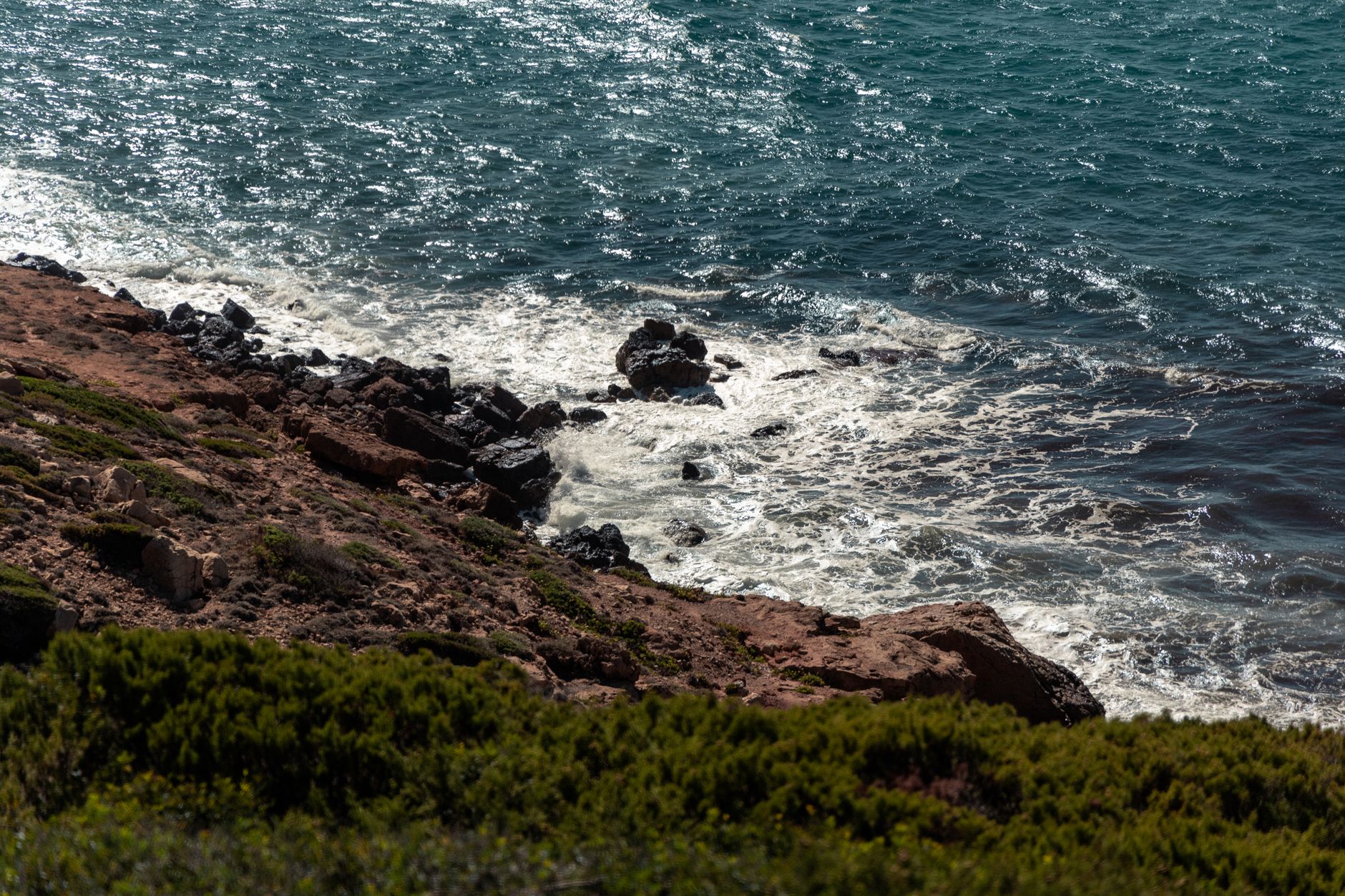
Cape Horn is a legendary headland located at the southernmost tip of South America, forming part of Chile’s Tierra del Fuego archipelago. Known for its treacherous waters and stunning natural beauty, it serves as a captivating destination for adventure seekers and maritime enthusiasts alike.
The site is steeped in maritime history and offers breathtaking views of the Southern Ocean, making it an appealing spot for travelers seeking adventure, tranquility, or insight into the area’s rich heritage.
What Is Cape Horn?
Cape Horn is a rocky headland situated at the extreme southern point of the Tierra del Fuego archipelago in Chile. It is recognized as the meeting point of the Atlantic and Pacific Oceans, a place notorious for its challenging sailing conditions yet famed for its dramatic landscapes and wildlife.
Because of its wild waters and craggy cliffs, Cape Horn is often referred to as the “end of the world.” The headland marks the northern boundary of the Drake Passage, which is a critical route for vessels sailing between the two oceans.
History and Significance
The history of Cape Horn dates back to the 16th century when it was named by Dutch explorer Willem Schouten in 1616. Its discovery allowed sailors to navigate the treacherous waters of the strait, significantly impacting global trade routes. However, the area is infamous for shipwrecks and harsh weather, making it a sea captain’s nightmare.
Throughout history, numerous ships have attempted to traverse the rough seas surrounding this headland, with many facing disastrous outcomes. The legendary tales of survival and perilous journeys are an intrinsic part of Cape Horn’s character.
Best Time to Visit Cape Horn
The best time to visit Cape Horn is during the southern hemisphere’s summer, approximately from November to March. This period sees milder weather conditions, making for a more pleasant experience for travelers and outdoor enthusiasts.
Winter months can be harsh and unpredictable, featuring heavy winds and rain, so planning your visit during summer gives you a better chance of enjoying views of the stunning scenery and wildlife.
How to Get to Cape Horn
Reaching Cape Horn usually involves a combination of air, land, and sea travel due to its remote location. Here are the primary methods to get there:
By Air
- Fly into Punta Arenas: This is the closest major city, and from here, you can find various transportation options to reach the headland.
- Take a local flight to Puerto Williams: The small town provides closer access to Cape Horn and often serves as a departure point for expeditions.
By Sea
Many visitors opt for sailing tours from Ushuaia, Argentina, which is one of the nearest towns to Cape Horn. These tours generally include a complete journey through the scenic Beagle Channel, providing views of local wildlife and the rugged coastline.
Day and multi-day tour options are available, with some cruises designed specifically for those wishing to navigate the challenging waters around Cape Horn.
What to Do at Cape Horn
Visitors to Cape Horn have various activities to enjoy, ranging from scenic cruises to hiking and wildlife observation. Here are some highlights:
Sailing and Cruises
Embarking on a sailing tour is one of the best ways to experience the beauty of Cape Horn. Cruise options may vary in length and include opportunities for kayaking or exploring nearby islands. Witnessing the mighty meeting of the Atlantic and Pacific Oceans is an unforgettable experience.
Hiking and Nature Walks
There are several hiking options available for visitors wishing to explore the land. Trails around the area offer breathtaking views and a chance to see native flora and fauna, including local bird species and wildlife.
Wildlife Watching
Cape Horn provides ideal conditions for observing diverse wildlife. Look out for seabirds such as albatrosses and petrels, as well as marine life, including whales and seals. The area is also known for its stunning landscapes, characterized by dramatic cliffs and expansive ocean views.
Accommodation Options Near Cape Horn
Since Cape Horn is located in a remote area, accommodation options can be limited. However, there are several choices nearby that offer unique experiences. Here are some suggestions:
Punta Arenas
This city has a wide range of hotels, hostels, and guesthouses catering to various budgets. It’s an ideal base for exploring the region before embarking on any tours to Cape Horn.
Pueblo de Puerto Williams
Puerto Williams is a small town on Navarino Island, nearby Cape Horn. It offers a more rustic experience with local inns and guesthouses, ensuring an authentic connection to the landscape and surrounding people.
Onboard Experience
Many choose to stay onboard their vessels during sailing trips, providing direct access to the water and vistas. This option combines accommodation with the adventure of being at sea.
Transportation and Getting Around
Once at Cape Horn, transportation options are limited due to its remote nature. Travelers generally rely on pre-arranged tours or sailing vessels to navigate the waters and access various attractions. Here’s what to consider:
- Tour Operators: Book well in advance to secure places on guided sailing tours that will ensure you reach Cape Horn in comfort.
- Transfer Services: Shuttle services may be available in Punta Arenas to transfer travelers to the port for sailing trips, so inquire about these options during your booking process.
Things to Pack for Cape Horn
Weather conditions can be unpredictable in Cape Horn, and thus packing appropriately is crucial for a comfortable visit. Here are essential items to include in your packing list:
- Warm Layers: Include thermal underlayers, jackets, and a windbreaker.
- Comfortable Footwear: Waterproof hiking boots are recommended for excursions.
- Sun Protection: Sunglasses, sunscreen, and a hat are essential for sunny days.
- Camera: Capture the stunning natural beauty and wildlife, so don’t forget your camera or smartphone.
- Binoculars: An excellent tool for wildlife watching and enjoying distant views.
Budget Considerations
Visiting Cape Horn requires careful budgeting as costs can accumulate quickly. Here are some considerations:
- Transportation: Flights to Punta Arenas and ferry costs to Puerto Williams or sailing tours can vary significantly, so book in advance to secure the best rates.
- Accommodation: Prices in nearby towns like Punta Arenas and Puerto Williams can also fluctuate, especially during peak tourist seasons. It’s advisable to compare prices and book early.
- Food and Drink: Meals in this region can be pricier due to its location, so budgeting for dining experiences is key. Take along snacks if you’re planning day excursions.
Food and Drink in the Area
The culinary offerings around Cape Horn often showcase local ingredients and traditional Chilean cuisine. Here are some popular options:
Punta Arenas
This city hosts various restaurants featuring fresh seafood, Patagonian lamb, and traditional stews. Sample local dishes such as pastel de jaiba (crab pie) or king crab, sourced from nearby waters.
Puerto Williams
Dining options here are more limited but typically focus on simple, hearty meals. Expect to find cozy cafes offering regional specialties and local beers.
Travel Tips for a Safe and Enjoyable Visit
Traveling to Cape Horn can be an adventure filled with awe-inspiring sights, but it requires preparation to ensure a safe and enjoyable experience. Keep the following tips in mind:
- Check Weather Conditions: The weather can change rapidly, so it’s advisable to monitor forecasts regularly and plan your excursions accordingly.
- Communicate Your Plans: Always inform someone of your itinerary, especially if you plan to hike or explore remote areas.
- Stay Hydrated: Bring plenty of water and snacks during excursions, as access may be limited.
- Consider Local Guidance: When hiking or exploring, consider hiring local guides who can offer valuable insights into the flora, fauna, and history of the area.
- Respect the Environment: Stick to designated trails and follow all local guidelines to help preserve the natural beauty of this pristine area.
Family and Solo Travel Considerations
Visiting Cape Horn can be a wonderful experience for both families and solo travelers, although there are a few considerations to keep in mind for both types of travel.
Family Travel
When traveling with children, focus on family-friendly activities and shorter excursions to keep everyone engaged. Be aware that some hiking trails may not be suitable for younger children, so always assess difficulty levels in advance.
Solo Travel
Solo travelers might appreciate the chance for introspection and adventure in such a remote location. While traveling alone, ensure you remain vigilant with your safety and plans, and seek opportunities to meet fellow travelers, particularly on guided tours.
Exploring Nearby Attractions
If time allows, consider exploring nearby attractions that add to the richness of your Cape Horn experience. Here are a few suggestions:
- **Tierra del Fuego National Park**: Located near Ushuaia, this park offers stunning vistas, hiking opportunities, and a chance to see unique wildlife.
- **Beagle Channel**: Take a scenic boat tour of this picturesque waterway to see rugged landscapes and local wildlife, including sea lions, penguins, and numerous bird species.
- **Navarino Island**: Accessible by ferry, this island is an unspoiled paradise for those seeking remote hiking trails and personal adventures.
Cape Horn stands as a remarkable testament to both nature’s beauty and the enduring spirit of exploration. With its stunning vistas, rich history, and abundant wildlife, it is truly a unique destination on the map. A well-planned visit will allow travelers to navigate its rugged beauty and unforgettable experiences.
To start planning your Cape Horn adventure, be sure to explore helpful articles about the best restaurants in Cape Town and the best restaurants in Chile. Each destination offers a unique culinary experience that complements your travels.