
France is renowned for its stunning châteaux and historic castles, which reflect the country’s rich heritage and architectural grandeur. With estimates suggesting that there are over 40,000 castles across France, from the grand ones that attract millions of tourists to much smaller ruins, these structures represent a significant part of French culture and history.
In this article, we will explore the fascinating world of French castles, their historical significance, major regions to visit, tips for exploring, and practical travel advice, helping you to plan an unforgettable journey into France’s medieval past.
How Many Castles Are In France?
France has an estimated 40,000 castles; however, the number of preserved and well-known castles is considerably smaller. Regions like the Loire Valley, known for its concentration of magnificent châteaux, highlight the country’s rich architectural heritage.
Castles in France vary greatly in size, style, and historical background, ranging from luxurious palaces to fortified strongholds. While the exact number can differ based on definitions and criteria, these enchanting structures captivate the imagination and offer a glimpse into the past.
Regions Rich in Castles
Certain regions in France are particularly famous for their abundance of castles. Here are some of the most notable areas where you can explore a wealth of castles:
- Loire Valley: Often dubbed the “Garden of France,” the Loire Valley is home to around 300 châteaux, including famous ones like Château de Chambord and Château de Chenonceau.
- Alsace: The Alsace region features numerous castles like Château du Haut-Koenigsbourg, a medieval fortress that offers stunning views.
- Provence: It is dotted with ruins and well-preserved castles, including the Château de Tarascon, showcasing the region’s historical roots.
- Normandy: Known for its nook of medieval fortifications, Normandy features iconic castles such as Château de Falaise, the birthplace of William the Conqueror.
- Auvergne: Featuring many castles and fortresses perched on volcanic hills, this region’s stunning landscape creates unique historical contexts.
Famous Castles to Visit
While there are thousands of castles throughout France, some stand out more than others due to their historical significance or architectural beauty. Here are a few of the most renowned:
1. Château de Chambord
Château de Chambord is a masterpiece of French Renaissance architecture located in the Loire Valley. Known for its distinctive French roofline and intricate design, it was commissioned by King Francis I in the early 16th century. Visitors can explore its impressive grounds and take guided tours to learn about its history.
2. Château de Chenonceau
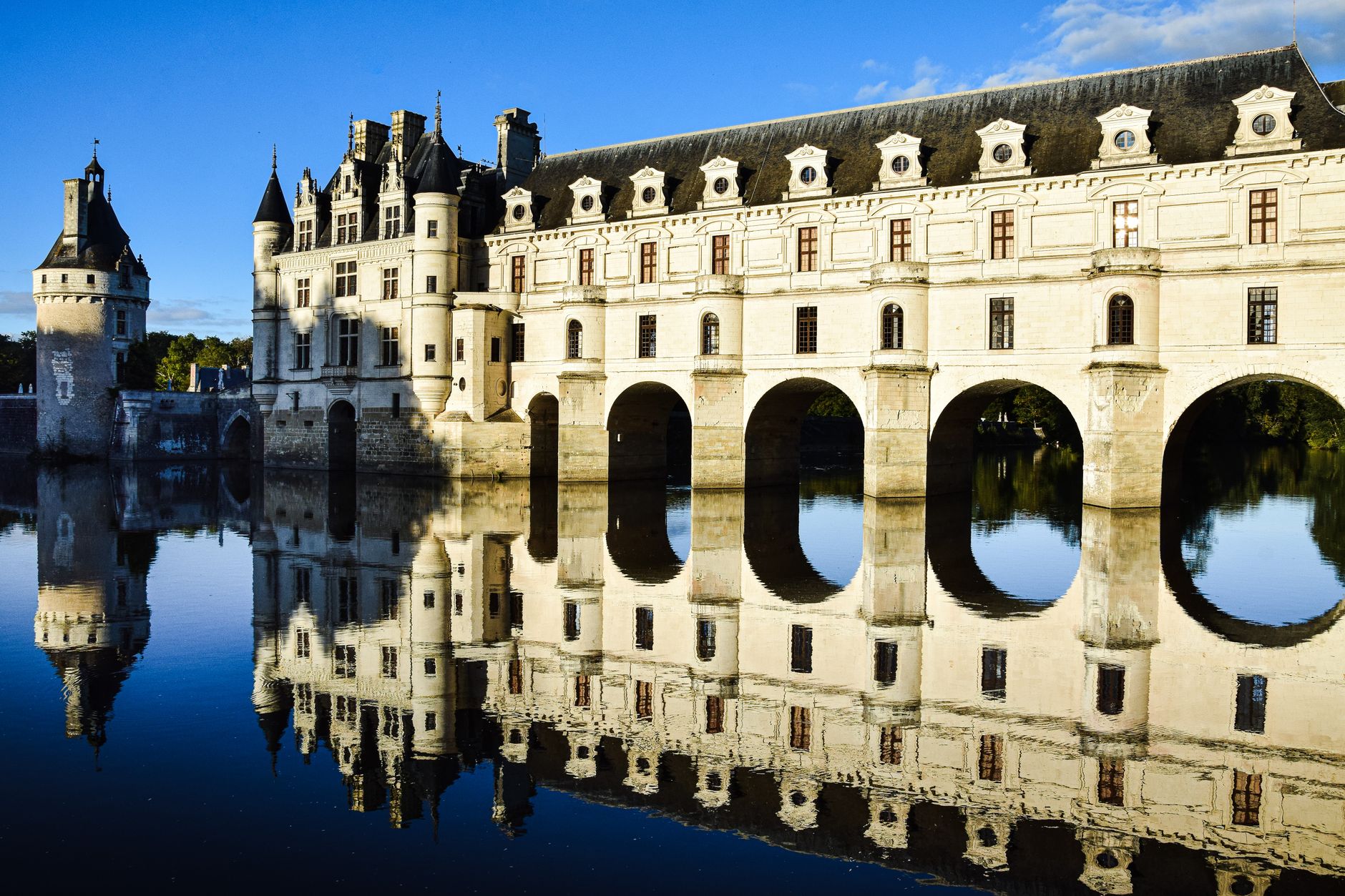
Spanning the River Cher, Château de Chenonceau is celebrated for its breathtaking beauty and romantic history. Often referred to as the “Ladies’ Château” due to the significant women who influenced its design and management, this castle offers captivating gardens and art collections.
3. Château de Versailles
Château de Versailles is one of the most famous castles in the world, known for its opulence and grand scale. Once the royal residence of Louis XIV, its extravagant gardens and stunning Hall of Mirrors offer an immersive glimpse into the lives of French royalty.
4. Château de Carcassonne
A UNESCO World Heritage site, Château de Carcassonne is a fortified castle with a remarkable medieval city within its walls. Visitors can walk through its gates and explore its towers, ramparts, and charming streets that bring history to life.
5. Château de Grignan
Overlooking the countryside in Provence, Château de Grignan has a beautiful setting and rich history tied to Madame de Sévigné. Its architecture and gardens provide a picturesque landscape for a leisurely visit.
Exploring the Castles: Tips for Travelers
When visiting castles in France, consider these tips for a smooth and enjoyable experience:
- Plan Your Visits: Some castles require advanced booking, especially during peak tourist seasons. Verify opening hours, ticket prices, and any special events well in advance.
- Take Guided Tours: Guided tours provide in-depth insights and stories about the castles, enhancing the experience beyond simply admiring the architecture.
- Explore the Grounds: Many castles have extensive gardens and parks that deserve exploration. They often offer stunning views and additional historical contexts.
- Dress Comfortably: Wear comfortable shoes, as you may need to navigate uneven terrain and extensive walking paths.
- Visit Off-Peak Times: If possible, visit during weekdays or early in the morning to avoid crowds and enjoy a more intimate experience.
How to Get Around France’s Castles
Traveling between castles often requires strategic planning. Here are common methods of transport and their considerations:
1. Car Rentals
Renting a car is often the most convenient way to visit multiple castles. It provides flexibility to explore off-the-beaten-path locations and stunning countryside not accessible by public transport.
2. Trains
The French train network is extensive and offers services to many cities close to popular castles. From train stations, local buses or taxis can connect you to specific destinations.
3. Guided Tours
Choosing a guided tour can simplify the process as many operators offer packages that include transportation, entry fees, and knowledgeable guides. This is an excellent option for those who prefer not to drive.
Suggested Length of Stay
The ideal length of stay for exploring castles in France may vary, but consider allocating a minimum of five to seven days to fully immerse yourself in the history and architecture. Here’s a suggested itinerary:
- Day 1: Arrive in Paris and visit Château de Versailles.
- Day 2: Travel to the Loire Valley; tour Château de Chambord and Château de Chenonceau.
- Day 3: Explore additional châteaux in the Loire Valley, such as Château de Amboise.
- Day 4: Head to Normandy; visit Château de Falaise and stroll through the historic town.
- Day 5: Venture to Alsace; explore Château du Haut-Koenigsbourg.
- Day 6: Journey to Provence; visit Château de Tarascon.
- Day 7: Return to major city or head to another area of interest for additional exploration.
When to Visit French Castles
The best time to visit France’s castles depends on your preferences for weather and crowd levels. Here’s a breakdown:
- Spring (March to May): Beautiful blooms and mild weather make spring an excellent choice. The gardens are often in full bloom, adding to the beauty of castle visits.
- Summer (June to August): While the weather is warm and ideal for outdoor activities, these months attract larger crowds, particularly in popular tourist spots.
- Fall (September to November): This is another perfect time as the weather remains pleasant, and the fall foliage adds vibrancy to castle landscapes. Crowds typically lessen after the summer.
- Winter (December to February): While some castles may close parts of the year, visiting during winter offers a tranquil atmosphere. Holiday decorations can add charm to your experience.
Budget Considerations
Budgeting for a castle-focused trip can vary significantly based on travel style, accommodations, and entry fees. Here’s a general guide:
- Accommodation: Prices for hotels can range from budget hostels to luxurious châteaux stays. Expect an average of €80-€300 per night, with options for various budgets.
- Food: Meals can range from €10-€50 per person, depending on dining preference. Keep an eye out for local bistros and market fresh options to save money.
- Transport: A rental car can cost around €30-€70 a day plus fuel. Train travel varies, but booking in advance can yield savings. Guided tours can range from €50 to over €200, depending on inclusions.
- Entry Fees: Entry fees for castles range from €5 to €20, depending on the castle and any additional tours or exhibits.
Accessibility and Safety Considerations
Planning for accessibility is essential, particularly for visitors with mobility issues. While many major castles offer wheelchair access, some older structures may have limited access due to their historical design. Always check individual castle websites for their accessibility information.
Regarding safety, France is generally regarded as a safe destination. However, it is wise to be vigilant, particularly in crowded tourist areas or when traveling at night. Familiarize yourself with local emergency procedures and norms to ensure a pleasant visit.
Conclusion
With thousands of castles scattered throughout the country, France offers a rich tapestry of history, culture, and architecture to explore. Each region boasts its unique offerings, making for a diverse travel experience. Consider the tips and itineraries provided to make the most of your castle adventure, and immerse yourself in the grandeur of France’s storied past.
To further enhance your travel in France, explore our articles on the best restaurants in Nice and best rooftop restaurants in Paris for fantastic dining options near your castle adventures.