
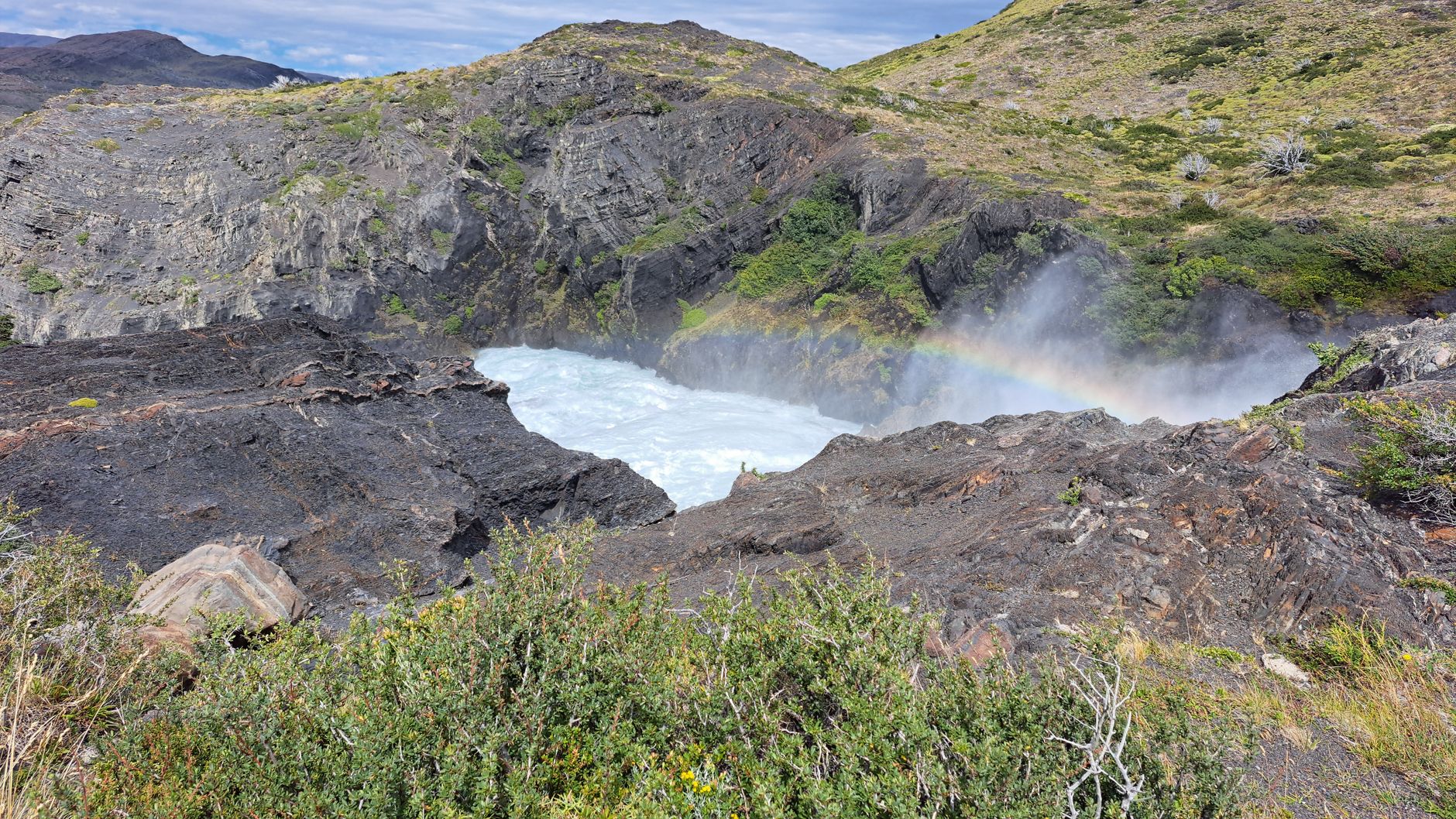
Understanding the seasonal climate of Chile is crucial for any traveler planning a visit to this diverse country. With its unique geography stretching over 2,600 miles along South America’s western edge, Chile experiences a wide range of weather patterns, from the arid Atacama Desert in the north to the wet and temperate regions of Patagonia in the south.
This article will guide you through the different seasons in Chile, providing insights on the best times to visit various regions based on climate, activities, and traveler preferences. Whether you are seeking adventure, culture, or relaxation, knowing what season it is in Chile will help you make informed travel decisions.
What Season Is It In Chile?
Chile experiences four distinct seasons: summer (December to February), autumn (March to May), winter (June to August), and spring (September to November). Each season brings unique weather patterns and activities across different regions, making it essential to choose wisely when planning your trip.
Overview of the Seasons
Summer (December to February)
Summer in Chile runs from December to February, making it one of the most popular times for tourists to visit. During this season, the weather tends to be warm and dry, especially in the central and northern regions of the country.
- Temperature: In coastal cities such as Santiago and Valparaíso, average temperatures range from 25°C to 30°C (77°F to 86°F). In the northern Atacama Desert, daytime highs can exceed 40°C (104°F).
- Activities: This is the ideal time for beach outings, wine tours in the Central Valley, and outdoor adventures in places like Torres del Paine National Park.
- Crowd Levels: Expect larger tourist crowds, especially around popular destinations, as both locals and foreigners seek to enjoy the summer sun.
Autumn (March to May)
Autumn transitions from the heat of summer to the cooler winter months. This season is characterized by mild temperatures and stunning fall foliage, particularly in regions with abundant trees.
- Temperature: Average temperatures range from 15°C to 25°C (59°F to 77°F) in many areas, with cooler nights as the season progresses.
- Activities: Harvest festivals, wine tastings, and outdoor hiking are popular. Autumn is a beautiful time to explore wine country, where the vineyards are filled with ripe grapes ready for harvest.
- Crowd Levels: Tourist numbers start to decline, making it an excellent time to visit for those seeking fewer crowds while still enjoying pleasant weather.
Winter (June to August)
Winter in Chile brings significant changes, particularly in the southern regions. It is the best time for snow sports and enjoying the beautiful landscapes covered in winter’s blanket.
- Temperature: In the north, temperatures remain mild, averaging between 10°C to 15°C (50°F to 59°F), while southern areas can see temperatures drop below freezing.
- Activities: Winter sports such as skiing and snowboarding are popular in regions like Valle Nevado and Chillán. Besides snow activities, travelers can also explore the Chilean Patagonia, where the stunning scenery offers a stark contrast against the snowy landscape.
- Crowd Levels: Expect significantly fewer tourists in non-ski areas, but many visitors flock to ski resorts, especially during national holidays.
Spring (September to November)
Spring is a beautiful period in Chile characterized by blossoming flowers and a warming climate that attracts nature enthusiasts.
- Temperature: Average temperatures increase, typically hovering between 15°C to 25°C (59°F to 77°F).
- Activities: Spring is a perfect time for hiking, wildlife watching, and enjoying blooming flowers in national parks. Festivals celebrating the coming of spring are also common.
- Crowd Levels: Fewer tourists compared to summer, providing a more relaxed experience while still enjoying the lovely weather.
Regional Differences in Seasons
Chile’s geography significantly influences the climate in different regions, and understanding these differences can help you tailor your trip to your interests.
Northern Chile
The northern region, home to the Atacama Desert, experiences minimal rainfall with hot days and chilly nights, especially in winter.
- Best Season to Visit: Winter (June to August) is ideal for comfortable temperatures and clear skies, perfect for stargazing.
- Activities: Explore the Valle de la Luna, geysers, and salt flats while enjoying pleasant weather.
Central Chile
Central Chile features a Mediterranean climate, with coastal areas being cooler and valleys showcasing warmer temperatures.
- Best Season to Visit: Summer (December to February) provides optimum weather for beachgoers, while autumn (March to May) is ideal for wine tourism.
- Activities: Visit vineyards, enjoy beaches, and explore historic cities like Santiago and Valparaíso.
Southern Chile
Southern Chile experiences a temperate climate with significant rainfall and cooler temperatures, especially in Patagonia.
- Best Season to Visit: Summer (December to February) is the most favorable time for outdoor activities and exploring the stunning national parks.
- Activities: Trekking in Torres del Paine, visiting Puerto Natales, and enjoying the picturesque landscapes are highlights.
When to Visit Based on Interests
Your interests should play a central role in determining when to visit Chile. Here’s a guide based on what you want to experience.
For Outdoor Adventures
If you love hiking and exploring the wilderness, aim to visit during the southern hemisphere’s summer months (December to February). Ideal temperatures allow for hiking in various national parks, including Torres del Paine and Los Glaciares.
For Cultural Experiences
For Skiing and Winter Sports
Winter (June to August) is the best time to experience the ski resorts in the Andes. Popular destinations include Valle Nevado, El Colorado, and La Parva, where you can enjoy the snow-covered peaks.
Practical Planning Tips
When planning your trip to Chile, consider these practical tips to make the most of your seasonal visit.
- Pack Accordingly: Bring layers no matter the season, as temperatures can vary greatly between day and night.
- Book Early: If you plan to visit during peak tourist seasons, especially summer and winter months, book accommodations and activities in advance to secure the best options.
- Consider Local Holidays: Check the national holiday calendar, as these days may affect attractions, services, and transportation availability.
- Stay Informed: Research local weather patterns as you approach your travel date to prepare adequately for sudden changes in weather.
Transportation in Chile
Chile’s extensive transportation options make it easy to get around, regardless of the season.
Air Travel
Domestic flights connect major cities and regions, making it a quick way to travel lengthy distances. LATAM and Sky Airline offer efficient services between cities.
Bus Services
Long-distance buses provide an economical way to explore, with frequent connections between cities and popular destinations. Companies like Tur Bus and Pullman Bus have comfortable and reliable services.
Public Transport
In cities, you’ll find a combination of metro, bus, and taxi services that make getting around convenient. Santiago has a well-developed metro system, facilitating travel within the capital.
Car Rentals
Renting a car allows for greater flexibility and is an excellent option for exploring more remote areas of the country. Be sure to check local road conditions before driving in diverse terrains.
Accommodation Options
Chile offers a broad range of accommodation types to suit various preferences and budgets. Here’s what to consider:
Hotels and Resorts
From luxury hotels in Santiago to boutique resorts in Patagonia, there is no shortage of comfort and style. Peak seasons may increase rates.
Hostels and Guesthouses
Budget travelers will find numerous hostels and guesthouses, particularly in urban centers and popular tourist areas, providing affordable options with local insights.
Vacation Rentals
Websites like Airbnb and Vrbo offer a variety of rental properties for travelers who prefer a homey feel, which could be ideal for families or groups.
Final Tips for Visiting Chile
To ensure a successful trip to Chile, remember these final tips:
- Learn a few basic Spanish phrases to enhance your experience and communicate with locals.
- Be culturally respectful, especially in indigenous areas or rural communities.
- Stay hydrated, especially in the hotter northern regions and during outdoor activities.
- Check for travel advisories or updates on weather conditions as you plan your trip.
Understanding the seasons and planning around them will help you make the most of your visit to Chile. Pair your knowledge of the weather patterns with your interests, and you’ll uncover the best adventures that this beautiful country has to offer.
Explore related destination guides and travel-planning articles, such as how to enjoy Costa Rica’s cuisine in the best restaurants or effective travel tips on getting around possible locations. Visit The Moody Tourist for comprehensive travel insights.