
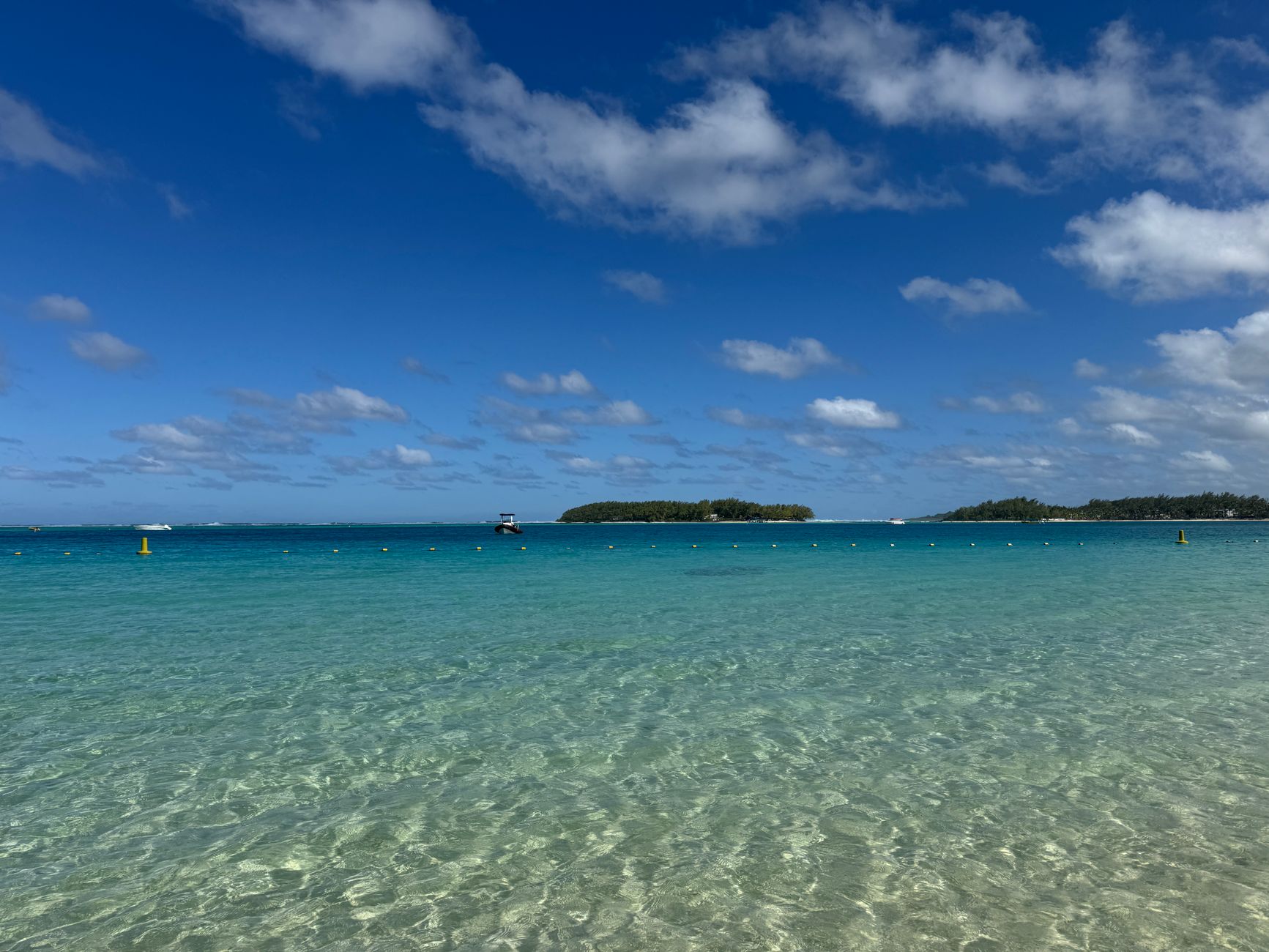
Tahiti and Hawaii are both renowned travel destinations, but they are distinct locations in the Pacific Ocean. Tahiti is part of French Polynesia, while Hawaii is a U.S. state made up of an archipelago. Understanding their differences can help travelers decide which idyllic spot suits their vacation preferences.
This article will clarify the differences and similarities between Tahiti and Hawaii, providing insights into travel planning, attractions, accommodations, and experiences that await in each paradise. Dive into the unique cultures, breathtaking landscapes, and outdoor adventures these two regions offer.
Is Tahiti In Hawaii?
No, Tahiti is not in Hawaii; they are two separate island destinations located in different parts of the Pacific Ocean. Tahiti is part of French Polynesia, about 2,500 miles south of Hawaii, which is located in the central Pacific and comprises 137 islands.
Geographical Overview
Tahiti is situated in the South Pacific Ocean and is the largest island in French Polynesia. It consists of two volcanic massifs, Tahiti Nui and Tahiti Iti, which are separated by a narrow isthmus. Its lush mountains, coral reefs, and stunning lagoons make it an enchanting destination.
In contrast, Hawaii, the 50th state of the United States, comprises 137 islands, with eight main islands: Hawai’i (the Big Island), Maui, O’ahu, Kauai, Molokai, Lanai, Niihau, and Kaho’olawe. Hawaii features diverse ecosystems ranging from rainforests to deserts and offers a variety of landscapes, cultures, and climates.
Cultural Differences
The cultures of Tahiti and Hawaii, while sharing some Polynesian roots, exhibit notable differences. Tahiti has a unique blend of French and Polynesian cultures, influenced by its history and the presence of French settlers. This cultural mix is evident in the food, language, and festivities.
Hawaii has a rich local culture steeped in the traditions of its indigenous people. Visitors can experience hula performances, traditional luaus, and ancient Hawaiian practices. The state also enjoys a blend of cultures, including influences from Asia and the mainland U.S., enriching its cultural tapestry.
Traveling to Tahiti and Hawaii
Getting to Tahiti
Travelers can reach Tahiti primarily through international flights. The main gateway is Tahiti’s Faa’a International Airport (PPT), located near the capital city of Papeete. Airlines such as Air Tahiti Nui and French Bee operate flights from major cities in the U.S., Canada, and New Zealand.
Getting to Hawaii
Hawaii is accessible via several international airports, including Daniel K. Inouye International Airport (HNL) in Honolulu on Oahu and Kahului Airport (OGG) on Maui. Direct flights are available from various locations on the U.S. mainland, along with connections from Asia and Australia.
Transportation Options
How to Get Around in Tahiti
Transportation in Tahiti can be limited, so visitors may want to consider options such as:
- Car Rentals: Ideal for exploring the island at your own pace.
- Taxis: Available but can be pricey, so confirming rates in advance is advisable.
- Buses: Operating on fixed routes, they are economical but may be infrequent.
- Boat Transfers: Used to reach nearby islands.
How to Get Around in Hawaii
Hawaii offers various transportation methods, including:
- Rental Cars: Recommended for exploring individual islands at a leisurely pace.
- Public Buses: Affordable and efficient, operating on each island.
- Shuttles: Available for airport transfers and tours.
- Inter-Island Flights: Frequent flights connect the major islands.
Accommodation Options
Where to Stay in Tahiti
Tahiti offers various accommodations, suited to different budgets and preferences, including:
- Luxury Resorts: Enjoy ocean views, spas, and fine dining at places like InterContinental Tahiti Resort & Spa.
- Boutique Hotels: Experience personalized service and unique local charm at hotels such as Villa Taina.
- Guesthouses: A more affordable option providing a chance to interact with locals.
Where to Stay in Hawaii
Hawaii features a diverse range of lodging options, from budget to luxury:
- Resorts: High-end resorts such as Four Seasons and Hyatt offer luxury accommodations.
- Hotels: Mid-range options include popular chains and boutique hotels.
- Vacation Rentals: Platforms like Airbnb and Vrbo provide unique stays, ideal for families or groups.
- Campsites: A budget-friendly choice available throughout the islands.
Things To Do in Tahiti
Tahiti offers a rich variety of activities that highlight its natural beauty and cultural heritage:
- Explore Papeete: Visit the local market, the waterfront, and historical sites.
- Water Sports: Enjoy snorkeling, scuba diving, and surfing in the clear lagoons.
- Hiking: Trek to Mount Aorai for stunning views and unique flora.
- Cultural Experiences: Participate in traditional dance and craft workshops.
- Day Trips: Take boat excursions to nearby islands like Moorea and Bora Bora.
Things To Do in Hawaii
Hawaii boasts an array of activities catering to all interests:
- Beach Visits: Relax on world-famous beaches like Waikiki Beach and Kaanapali Beach.
- National Parks: Explore the volcanic landscapes of Volcanoes National Park and Haleakalā National Park.
- Water Activities: Snorkel in Hanauma Bay or try surfing on Oahu’s North Shore.
- Adventure Sports: Go on helicopter tours, zip-lining, or hiking on trails like the Kalalau Trail.
- Cultural Tours: Experience luaus, hula shows, and historic sites such as Pearl Harbor.
Food and Drink
Cuisine in Tahiti
Tahiti’s culinary scene is a blend of traditional Polynesian and French cuisine. Key dishes include:
- Poisson Cru: A raw fish salad marinated in lime juice and coconut milk.
- Roulot de Mahi Mahi: A local fish typically served with rice and vegetables.
- Taro: A staple root vegetable often found in various forms, including poi.
- Fresh Tropical Fruits: Enjoy fruits like mango, pineapple, and banana.
Cuisine in Hawaii
Hawaiian cuisine is influenced by various cultures, resulting in a delightful mix of flavors. Signature dishes include:
- Poke: A raw fish salad seasoned with various toppings and sauces.
- Loco Moco: A hearty dish of rice topped with a hamburger patty, fried egg, and gravy.
- Kalua Pig: Slow-cooked pork, often served at luaus.
- Spam Musubi: A sushi-like snack, symbolizing Hawaii’s love for Spam.
Best Time to Visit Tahiti and Hawaii
When to Visit Tahiti
The best time to visit Tahiti is during the dry season, from May to October. This period offers pleasant weather and fewer chances of rain, making it ideal for outdoor activities. However, the peak tourist season is from June to August, leading to higher prices.
When to Visit Hawaii
Hawaii is a year-round destination, but the best months to visit are from April to June and September to November. These shoulder seasons offer pleasant weather, fewer crowds, and more affordable rates. The peak season occurs during the summer and holidays, resulting in increased prices and busier tourist spots.
Planning Your Trip
When planning your trip to either Tahiti or Hawaii, there are several factors to consider:
- Length of Stay: A week is ideal for either destination, allowing for a mix of relaxation and exploration.
- Budgeting: Consider the cost of flights, accommodations, activities, and meals. Both destinations can cater to different budgets, from luxury resorts to budget-friendly guesthouses.
- Travel Restrictions: Keep updated on any travel restrictions, health advisories, or entry requirements before departure.
- Local Etiquette: Familiarize yourself with local customs and behaviors to show respect for the culture.
Safety Considerations
While both Tahiti and Hawaii are generally safe for tourists, it is important to take standard precautions. Stay aware of your surroundings, keep valuables secure, and be cautious in unfamiliar areas. When engaging in outdoor activities, check local regulations and guidelines to ensure safety.
Conclusion
Tahiti and Hawaii are two beautiful destinations, each with its unique offerings. While they might share the allure of tropical paradise, they are distinct in culture, geography, and travel experiences. Understanding these differences can help travelers choose their ideal getaway.
To further enhance your travel planning, explore these guides on the best restaurants in Hawaii and the best restaurants in Maui, which will give you a taste of local flavors and dining experiences.