
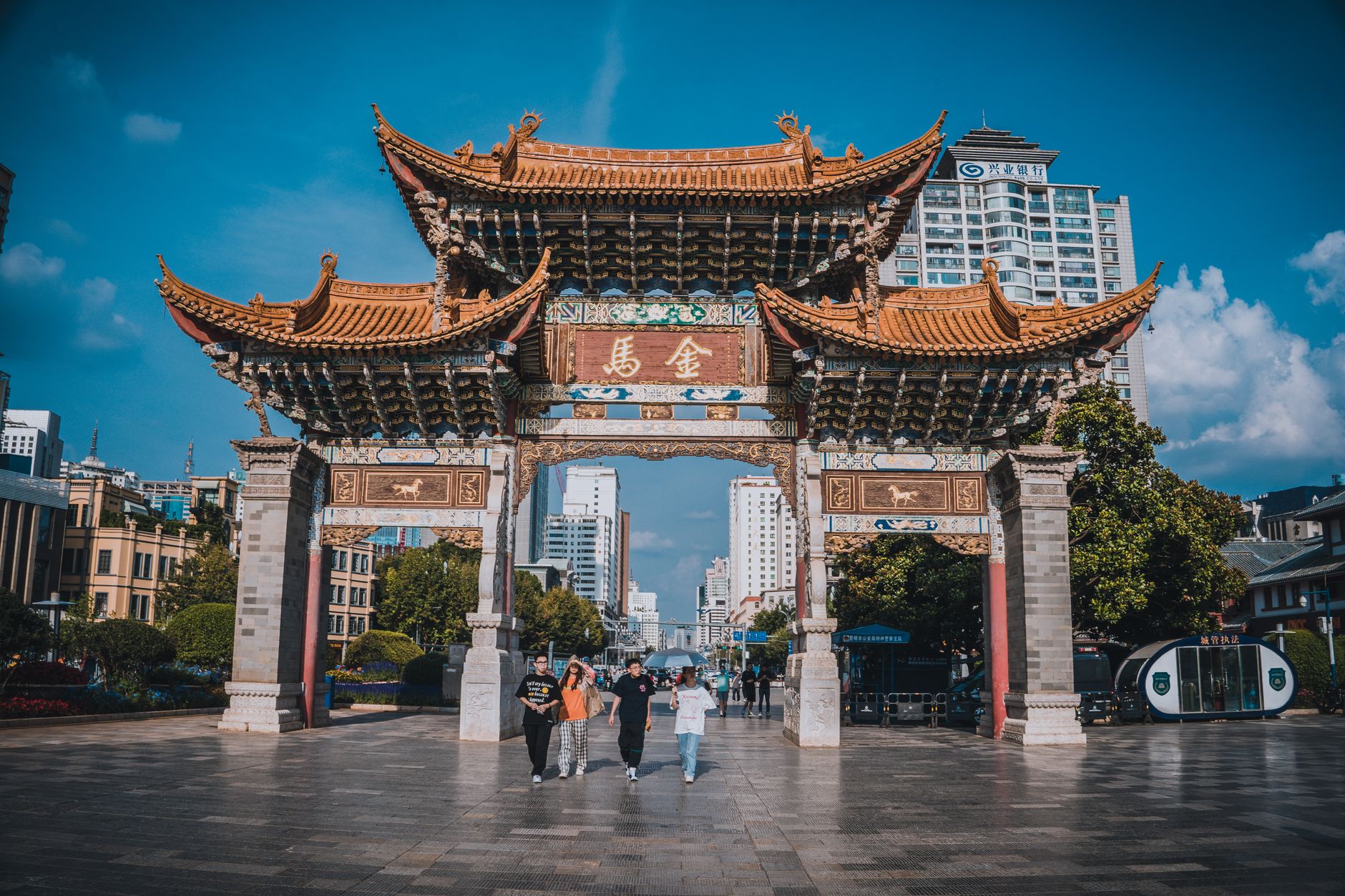
Traveling to Korea can be an enriching experience filled with stunning landscapes, rich history, and incredible cuisine. Whether you’re planning a budget trip or a more luxurious getaway, understanding the costs associated with visiting Korea is essential. This guide breaks down the various components of a trip to Korea, helping you budget effectively and make informed decisions.
From airfare to accommodation, food, attractions, and transportation, we’ll cover everything you need to know to plan an enjoyable and financially viable trip. Read on to find out how much a trip to Korea might cost you and what to expect.
How Much Is A Trip To Korea?
The cost of a trip to Korea varies greatly depending on your travel style, the season, and the duration of your stay. On average, a week-long trip can range from $1,500 to $3,000 per person. This includes airfare, accommodation, food, activities, and transportation. However, costs can be higher or lower based on personal preferences and choices.
Breaking Down Costs
Airfare
Airfare can be one of the largest expenses when planning your trip. Prices depend on your departure location, the season, and how far in advance you book. Typically, round-trip flights to South Korea can range from:
- $600 to $1,200 from North America
- $400 to $800 from Europe
- $300 to $600 from other Asian countries
To find the best deals, consider booking flights several months in advance, using fare comparison websites, and remaining flexible with your travel dates.
Accommodation
The cost of accommodation can vary widely based on location and type. Here’s a general idea of what to expect:
- Budget hostels: $15 to $40 per night
- Mid-range hotels: $60 to $150 per night
- Luxury hotels: $150 to $400+ per night
Areas such as Seoul’s Myeongdong or Hongdae offer dense accommodation options, ranging from guesthouses to high-end hotels, catering to various budgets. Always check reviews and comparisons to find the best fit for your needs.
Food and Drink
Korean cuisine offers a plethora of options that can accommodate any budget. Average food costs include:
- Street food: $1 to $5 per item
- Casual dining: $5 to $15 per meal
- Upscale restaurants: $20 to $50 per meal
Dining at local eateries is not only cost-effective but provides a taste of authentic cuisine. Don’t miss trying classic dishes such as bibimbap, bulgogi, and various banchan (side dishes).
Activities and Attractions
While many parks and temples have free entry, some paid attractions might raise your budget. Typical costs for popular activities include:
- Parks and temples: $0 to $5
- Museums: $2 to $10
- Palace entry fees: $3 to $12
- Guided tours: $20 to $100+
In addition to historical sites like Gyeongbokgung Palace, you may want to budget for experiences like K-pop shows or cooking classes, which can vary from $50 to $200 based on length and exclusivity.
Transportation
Getting around Korea is affordable thanks to efficient public transportation. Here’s a breakdown of common options:
- Subway fares: $1 to $3 per ride
- Bus fares: $1 to $2 per ride
- Taxis: Starting at around $3.50, increasing by distance
- KTX (high-speed train): $50 to $100 between major cities
Buying a T-money card can save you money on public transport and is convenient as it can be used for buses, subways, and even some convenience stores.
Suggested Itinerary
A week-long itinerary is ideal for first-time travelers to Korea, allowing you to explore major cities like Seoul and Busan while also experiencing cultural sites. Below is a suggested itinerary to help you maximize your time and budget.
Day 1: Arrival in Seoul
Arrive at Incheon International Airport and transfer to your accommodation. After settling in, explore the vibrant district of Myeongdong for shopping and street food dinner.
Day 2: Exploring Seoul
Visit Gyeongbokgung Palace in the morning, followed by a walk through Bukchon Hanok Village. In the afternoon, head to Insadong for traditional tea and art galleries. Enjoy dinner in the Daehangno area to experience local nightlife.
Day 3: Cultural Experiences
Spend the morning in the Dongdaemun Design Plaza and try traditional Korean cooking in a class in the afternoon. For dinner, savor Korean BBQ in Hongdae.
Day 4: Day Trip to DMZ
Take a guided tour to the Demilitarized Zone (DMZ) to learn about Korea’s history. Return to Seoul in the evening and relax with a traditional Korean spa experience.
Day 5: Travel to Busan
Take the KTX train to Busan. Spend the afternoon at Haeundae Beach. Enjoy fresh seafood at the Jagalchi Fish Market in the evening.
Day 6: Discovering Busan
Visit the Beomeosa Temple and hike up the nearby Geumjeongsan mountain. In the evening, explore Busan’s famous Gamcheon Culture Village for colorful murals and art installations.
Day 7: Return to Seoul & Departure
Head back to Seoul via KTX. Depending on flight time, explore any final spots in Seoul, such as Dongdaemun or the N Seoul Tower, before heading to the airport.
When to Visit
Choosing the right time to visit can significantly affect your overall experience and budget. The best seasons to visit Korea are:
- Spring (April to June): Cherry blossoms and mild temperatures.
- Fall (September to November): Beautiful autumn colors and pleasant weather.
Summer (July to August) can be hot and humid, while winter (December to February) offers winter sports and festive holiday experiences but can be frigid. Adjust activities accordingly for the season you choose.
Budget Tips
Here are some tips to help keep your trip to Korea within budget:
- Use public transportation instead of taxis.
- Dine at local eateries for affordable meals.
- Take advantage of free walking tours for guided experiences.
- Research combo tickets for attractions to save on entry fees.
- Book accommodations in advance for the best deals.
Accessibility and Safety
Korea is generally a safe destination for travelers. However, exercise standard precautions, such as safeguarding personal belongings and remaining aware of your surroundings. English signage is common in major cities, though learning basic Korean phrases can enhance your interactions.
Most public transportation options are accessible for those with mobility challenges, but always check in advance for special assistance if needed.
What to Pack for Korea
Your packing list will depend on the season you visit. Below is a basic checklist:
- Comfortable walking shoes
- Weather-appropriate clothing (layering is key for spring and fall)
- Universal power adapter
- Lightweight backpack for day trips
- Basic toiletries and medications
- Travel guidebook or app for navigation
Don’t forget any personal items like a reusable water bottle or a camera to capture your travel memories.
Summary
A trip to Korea offers a stunning blend of cultural exploration and modern attractions, with costs that can be managed effectively with careful planning. Consider budgeting between $1,500 to $3,000 for a week, depending on your travel style. With the right itinerary and preparation, you can enjoy an unforgettable experience in this dynamic country.
If you’re interested in culinary adventures, be sure to check out the best restaurants in Hanoi, Vietnam, and the best restaurants in Tokyo for more exciting dining inspiration for your travels.