
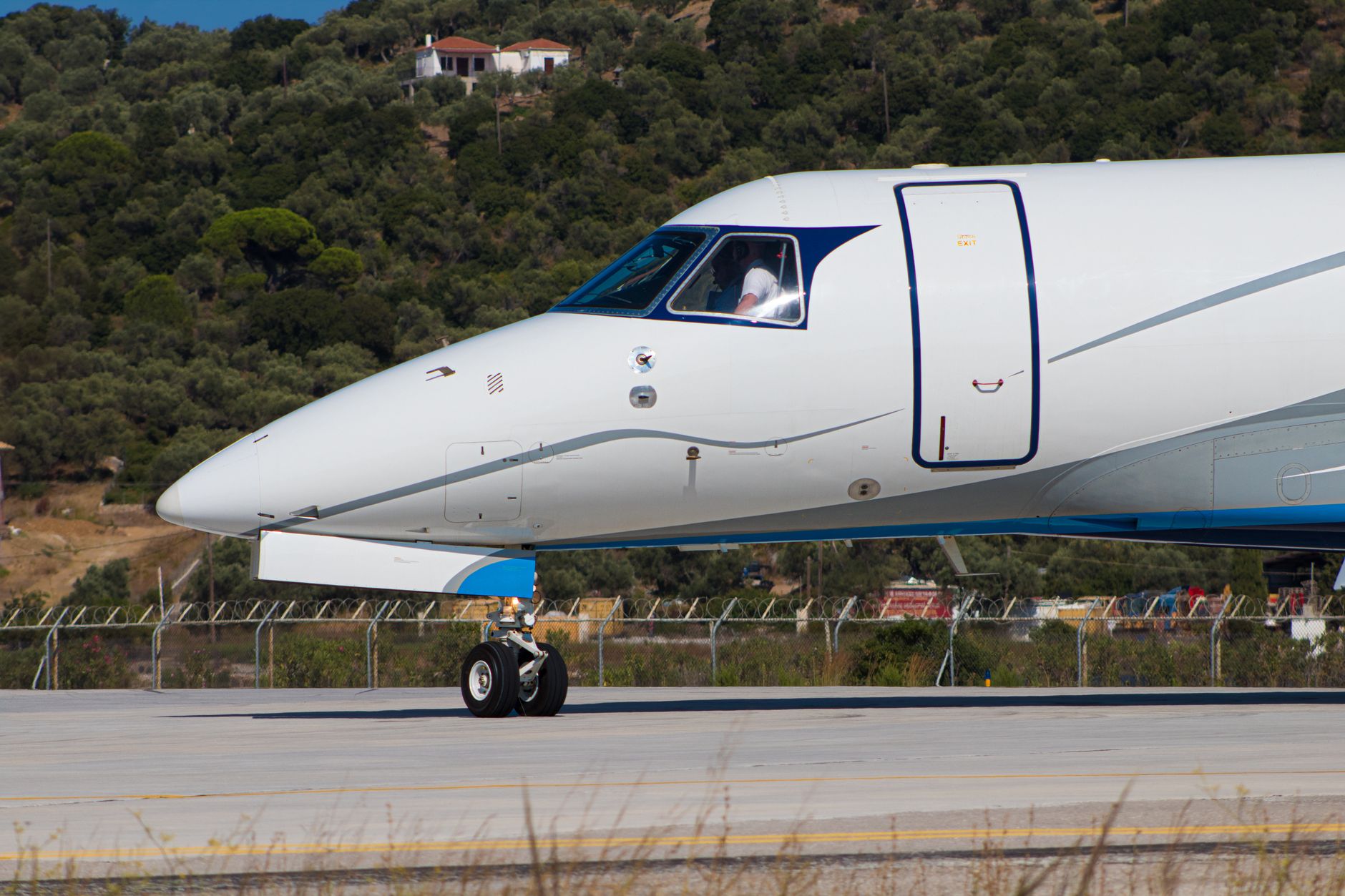
Traveling by air is one of the quickest ways to reach your destination, but the choice between commercial and private jets often raises the question: do private jets fly faster than commercial aircraft? Understanding the speed dynamics, as well as operational differences, can significantly impact your travel plans.
This article delves into the performance characteristics of both private and commercial jets. We will explore their speed capabilities, operational factors, and overall travel experience to help you determine whether a private jet is the better choice for quicker travel.
Do Private Jets Fly Faster Than Commercial?
Yes, private jets can fly faster than many commercial airliners. The average private jet cruises at speeds ranging from 400 to 600 knots, while commercial jets typically cruise at about 400 to 500 knots. However, speed alone is not the only factor to consider when choosing between these two modes of air travel.
Speed Comparisons
To understand the differences in speed between private jets and commercial airplanes, it’s essential to consider various aircraft types typically used for both categories.
Speed of Private Jets
Private jets can vary significantly in terms of performance. Here are some common types of private jets and their typical cruising speeds:
- Citation X+: One of the fastest business jets, can cruise at around 600 knots.
- Gulfstream G650: Known for its long-range capabilities, it flies at about 580 knots.
- Challenger 350: A popular choice for short to medium-haul flights with a cruising speed of approximately 540 knots.
- Phenom 300: This light jet boasts a speed of about 500 knots.
Speed of Commercial Jets
Commercial aircraft, widely used for domestic and international flights, also have various aircraft types. Here are popular models and their cruising speeds:
- Boeing 737: Often used for short to medium routes, it cruises at around 500 knots.
- Airbus A320: Also popular for similar routes, flying at about 490 knots.
- Boeing 777: Long-range model that cruises at about 500 knots.
- Airbus A380: This superjumbo can fly at approximately 487 knots.
Operational Factors Affecting Speed
While private jets can fly faster in theory, there are operational factors that can affect the overall travel time. Here are some critical elements to consider:
Flight Paths
Private jets often have access to more direct flight paths than commercial airlines. This can reduce the distance traveled by eliminating unnecessary detours, leading to quicker arrival times.
Air Traffic Control
Commercial flights typically face more stringent air traffic regulations due to the larger number of passengers and planes. This often results in delays in takeoff and landing as commercial airlines must coordinate their movements with a larger air traffic control network.
Airport Accessibility
Private jets can use smaller airports, allowing them to avoid busy commercial airports. This accessibility can lead to fewer delays and shorter travel times overall.
Takeoff and Landing Times
Private jets benefit from quicker boarding and deplaning processes, as they usually carry fewer people than commercial flights. Additionally, many private jets can take off and land on shorter runways, enabling them to arrive closer to the final destination.
Cost Considerations
Choosing between a private jet and a commercial airline is often influenced not only by speed but also by cost. Private flying is generally more expensive.
Private Jet Costs
The cost of chartering a private jet can range dramatically based on the aircraft size, distance, and various operators. Here are some general estimates:
- Light Jets: $2,000 to $3,000 per hour.
- Midsize Jets: $3,000 to $6,000 per hour.
- Heavy Jets: $6,000 to $12,000 per hour.
Beyond hourly rates, private flights often come with additional fees related to landing rights, fuel, crew accommodations, and more.
Commercial Airlines Costs
Conversely, commercial airline tickets can range from $50 to several hundred dollars depending on the destination, class of service, and how far in advance the ticket is purchased.
The Experience: Comfort and Convenience
Speed isn’t the only consideration; the overall flying experience significantly impacts travelers’ choices. Let’s compare the experiences on private jets and commercial airlines.
Private Jet Experience
Flying on a private jet often means a more luxurious and personalized experience. Here are some highlights:
- Spacious cabins with fewer passengers mean more comfort.
- Custom meal options and catering based on your preferences.
- Flexible schedules with the ability to change flight times.
- In-flight connectivity and entertainment tailored to your desires.
Commercial Airline Experience
On the other hand, commercial airlines offer a different experience, including:
- Standardized cabin environments that can feel crowded.
- In-flight meals that depend on the airline, often limited in choice.
- Scheduled takeoff and landing times, with little flexibility.
- Limited entertainment options, often requiring personal devices.
Environmental Considerations
As travel becomes more environmentally conscious, the ecological impact of flying is an important topic. Generally, private jets have a larger carbon footprint per passenger compared to commercial airlines. However, there are nuances to consider.
Carbon Footprint Comparisons
When calculating the carbon footprint, private jets produce more emissions per passenger due to their smaller capacity. For example, a private jet may emit approximately 2 metric tons of CO2 per flying hour, while commercial jets split emissions across many passengers, making their footprints smaller on an individual basis.
Efforts to Reduce Environmental Impact
Some private jet operators are beginning to adopt more sustainable practices, such as using biofuels, investing in carbon offset programs, and modernizing their fleets for better fuel efficiency.
Safety and Regulations
Both private and commercial aviation are held to safety standards overseen by regulatory bodies, although the regulations can differ between the two.
Private Jet Safety
Private jets are subject to stringent safety regulations, but the level of oversight can vary based on the operator. Most operators maintain exceptional safety records and adhere to rigorous maintenance schedules.
Commercial Airline Safety
Commercial airlines are often under more extensive regulatory scrutiny, frequently leading to a higher level of public trust due to standardized procedures and comprehensive training for staff.
Booking: What You Need to Know
Whether you choose a private jet or a commercial airline, understanding the booking process can save you time and stress.
Booking a Private Jet
When considering booking a private jet, take note of the following:
- Determine your travel needs, including destination, passenger count, and luggage requirements.
- Research different operators and compare ratings, safety records, and amenities.
- Consider flexible or fixed pricing options depending on your travel plans.
- Always review the terms of service, including cancellation policies.
Booking a Commercial Airline
Booking a commercial airline generally follows a straightforward process:
- Identify your destination and preferred travel dates.
- Use comparison tools to find the best deals.
- Evaluate both budget and premium options based on your needs.
- Review cancellation and rescheduling policies before purchase.
Conclusion
In summary, private jets generally fly faster than commercial aircraft, offering numerous operational advantages that can reduce overall travel time. However, cost, comfort, environmental impact, and experience must also play crucial roles in deciding which option suits you best. For those seeking convenience and flexibility, private jets can offer a compelling option.
Should you explore the potential of private jet travel, passionate travelers can look forward to a new experience that redefines the journey. However, for budget-conscious trips, commercial airlines will always be a reliable and cost-effective choice.
Explore our related travel guides on Phoenix Airport restaurants and Atlanta Airport restaurants for more travel planning insights.