
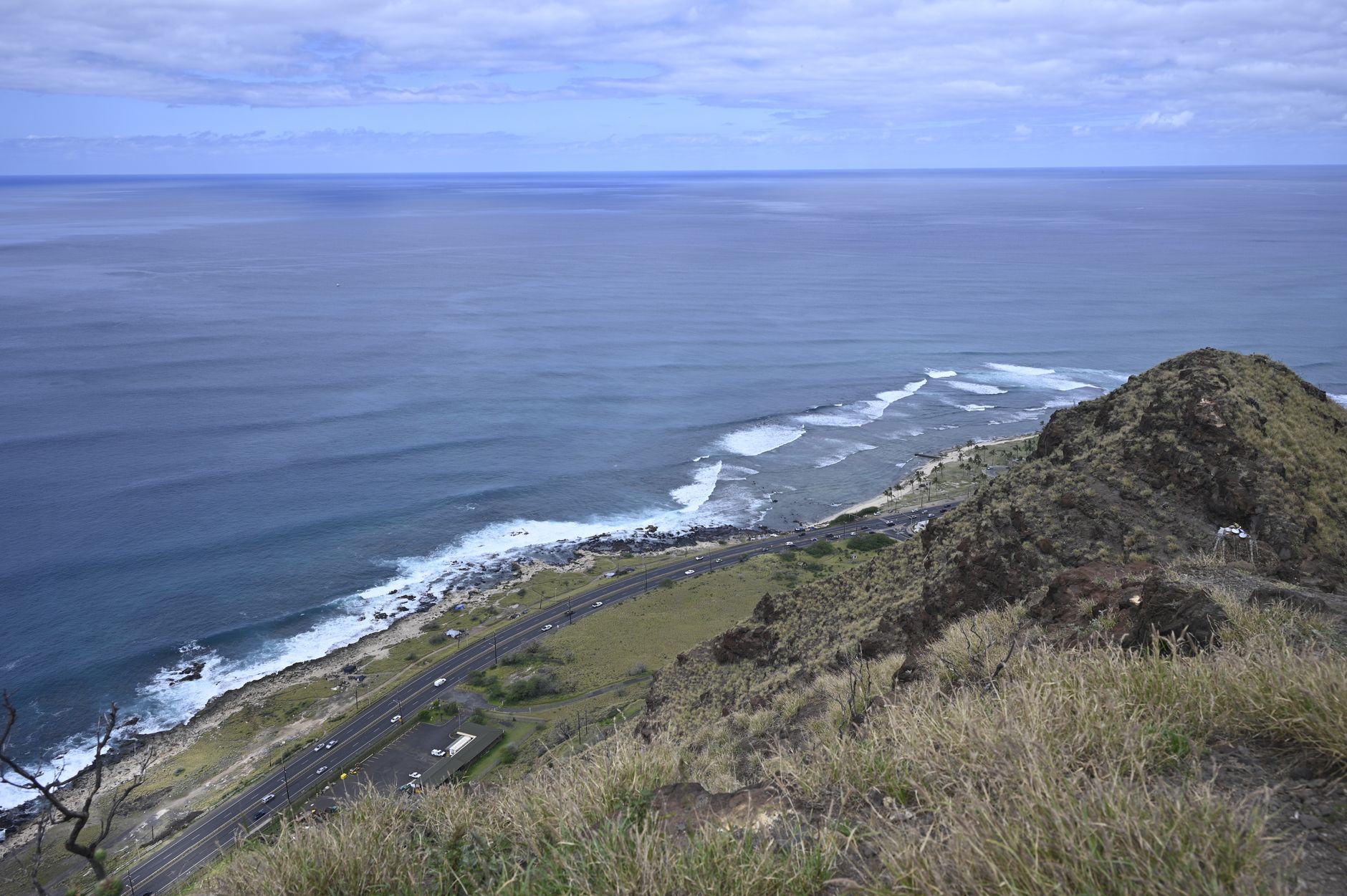
Big Sur is a stunning stretch of California’s coastline that captivates visitors with its dramatic cliffs, ocean views, and lush landscapes. Located roughly 120 miles south of San Francisco, it’s a popular getaway for those looking to escape the city’s hustle and enjoy the beauty of nature. Planning a trip to Big Sur from San Francisco involves understanding the route, transportation options, and things to do once you arrive.
This article provides practical travel information, including the distance to Big Sur, the best times to visit, suggestions for accommodations, activities you shouldn’t miss, and valuable tips for getting there and around. Whether you’re planning a solo adventure, a family trip, or a romantic getaway, you’ll find everything you need to make your journey seamless.
How Far Is Big Sur From San Francisco?
Big Sur is approximately 120 miles (193 kilometers) from San Francisco. Depending on traffic and the route taken, the drive can take about two and a half to three hours. The scenic route along California Highway 1 offers breathtaking views and may be worth the extra time for those interested in a stunning coastal driving experience.
Getting to Big Sur from San Francisco
Traveling from San Francisco to Big Sur can be done by car, bus, or even by bicycle for the adventurous. Here’s a closer look at your options:
Driving
The most popular way to reach Big Sur is by car. Here’s a quick overview of your driving options:
- Via Highway 1: This scenic route, also known as the Pacific Coast Highway, is renowned for its breathtaking views of the ocean and rugged coastline. It takes about 2.5 to 3 hours depending on traffic, and it’s best to check road conditions, especially during winter months due to potential landslides.
- Via Highway 101: For a quicker route, take Highway 101 south to Salinas, then connect to Highway 68 west. This route is less scenic but can save you time, taking about 2 hours.
Public Transportation
If you prefer not to drive, consider taking public transportation, though options are more limited. Here’s how to get there:
- Bus Services: Several bus lines connect San Francisco to nearby towns like Monterey or Carmel, where you can then catch a local service to Big Sur. Visit the Monterey-Salinas Transit website for schedules.
- Shuttle Services: Look for shuttle services that operate between San Francisco and Big Sur, which may offer door-to-door service or convenient drop-off points.
Biking
For the intrepid traveler, biking from San Francisco to Big Sur offers a unique experience. The ride would take considerable time, requiring good fitness levels and planning for overnight stops along the way. Consider participating in guided bike tours that may be offered during the warmer months.
Best Times to Visit Big Sur
Choosing the right time to visit Big Sur can enhance your experience. Here’s what you need to know:
- Spring (March to May): This is an ideal time as the weather is mild, wildflowers bloom, and crowds are smaller than in summer.
- Summer (June to August): While popular due to warm weather and clear skies, it can be crowded. Early mornings or weekdays are the best times to visit popular attractions.
- Fall (September to November): Often praised for its great weather, fewer crowds, and stunning sunsets, this period is excellent for nature lovers and photographers.
- Winter (December to February): While still beautiful, winter may bring rain and cooler temperatures. Some attractions may close during this period, but you can enjoy quiet hikes and a more serene environment.
Attractions and Activities in Big Sur
Big Sur is renowned for its natural beauty and outdoor activities. Here’s a curated list of experiences you won’t want to miss:
Visit Iconic Landmarks
- Bixby Creek Bridge: One of the most photographed bridges in California, this stunning arch bridge provides breathtaking views and makes for perfect photo opportunities.
- McWay Falls: Located within Julia Pfeiffer Burns State Park, this waterfall drops directly into the ocean and is accessible via a short hike. The views are picturesque.
- Pfeiffer Beach: Famous for its unique purple sand and sea stacks, this beach is a beautiful spot for sunbathing or photography, especially at sunset.
Hiking and Nature Exploration
The Big Sur coastline is ideal for hiking enthusiasts. Here are some popular trails:
- Andrew Molera State Park: Offers a variety of trails with options along the river and stunning coastal views.
- Point Lobos State Natural Reserve: Known as the “crown jewel” of California’s state park system, this reserve has a network of trails overlooking the ocean, with chances to see wildlife, including sea lions and otters.
- Big Sur River Inn: Offers easy trails for families and those looking for a more leisurely hike along the river.
Art and Culture
Big Sur is home to vibrant art installations and cultural sites. Notable places to visit include:
- Glen Deven Ranch: A historic ranch showcasing local art and providing insight into the area’s culture.
- Henry Miller Memorial Library: A cultural hub that celebrates the work of the writer and artist Henry Miller, hosts various events and exhibitions throughout the year.
Relaxation and Wellness Activities
For a more restful experience, consider indulging in the following:
- Spas and Retreats: Several resorts and wellness centers offer spa treatments with ocean views, perfect for relaxation.
- Yoga Retreats: Participate in yoga classes or retreats focusing on mindfulness and relaxation surrounded by nature.
Where to Stay in Big Sur
Accommodations in Big Sur vary from luxury resorts to camping sites. Here’s a breakdown of your options:
Luxury Resorts
- Post Ranch Inn: Offers upscale accommodations with stunning views of the coastline.
- Glen Oaks Big Sur: Known for its rustic charm, this hotel has cozy cabins and is set in a tranquil environment.
Mid-Range Lodging
- Big Sur River Inn: A family-friendly choice with cabins and a riverfront location perfect for kayaking or fishing.
- Big Sur Campground and Cabins: Provides a mix of cabins and campsites along the river.
Camping Options
- Julia Pfeiffer Burns State Park: Offers campsites with scenic views but reservations are essential, particularly in peak season.
- Los Padres National Forest: Has numerous campgrounds and wild hiking trails, providing a more rugged experience.
Dining in Big Sur
Dining in Big Sur ranges from gourmet cuisine to casual eateries. Consider these must-visit spots:
Restaurants
- Nepenthe: An iconic restaurant offering stunning views of the coastline and a diverse menu with something for everyone.
- Big Sur River Inn Restaurant: A relaxed atmosphere with meals featuring locally sourced ingredients.
- Post Ranch Restaurant: Exclusive dining experience focused on seasonal, locally sourced ingredients with breathtaking views.
Casual Eats
- Pfeiffer Canyon Tender: A food truck known for its delicious breakfast burritos and sandwiches.
- Big Sur Bakery: Famous for its pastries and coffee, this local gem is perfect for a quick breakfast or snack.
Planning Your Budget
Traveling to Big Sur can vary in cost. Here’s what to consider when budgeting:
Transportation Costs
- Gas: Factor in fuel costs, particularly if you’re taking the scenic route.
- Tolls: If driving from certain regions of the Bay Area, prepare for potential toll fees.
Accommodation Costs
Accommodation can range significantly in price:
- Luxury resorts may start at $400 per night or higher.
- Mid-range options typically fall between $150-$300 per night.
- Camping fees are generally more affordable, typically around $35-$60 per night.
Activity Costs
Many outdoor activities in Big Sur are free or have nominal fees. State parks typically charge an entrance fee, which is around $10-$20. Always check individual park regulations and fees in advance.
Tips for a Successful Trip to Big Sur
Before you embark on your journey, keep these tips in mind for a smoother experience:
- Check Road Conditions: Be aware of potential road closures, especially during winter months. Websites like Caltrans offer up-to-date information.
- Pack Essentials: Bring snacks, water, and sunscreen, as options in Big Sur may be limited.
- Arrive Early: Popular sights can get crowded, so arrive early to enjoy them without the throngs of visitors.
- Respect Nature: Stick to marked trails and pack out what you pack in to help preserve the local environment.
Conclusion
Big Sur offers a remarkable escape thanks to its stunning landscapes, outdoor activities, and unique charm. Whether traveling by car or utilizing public transport, understanding the distance and your options can help ensure a smooth trip. Take the time to absorb nature, savor local cuisine, and unwind in this beautiful destination.
For more travel planning assistance, explore our related destination guides and articles, such as The Moody Tourist for general travel tips, or check out the best restaurants in San Luis Obispo for dining options in nearby areas.