
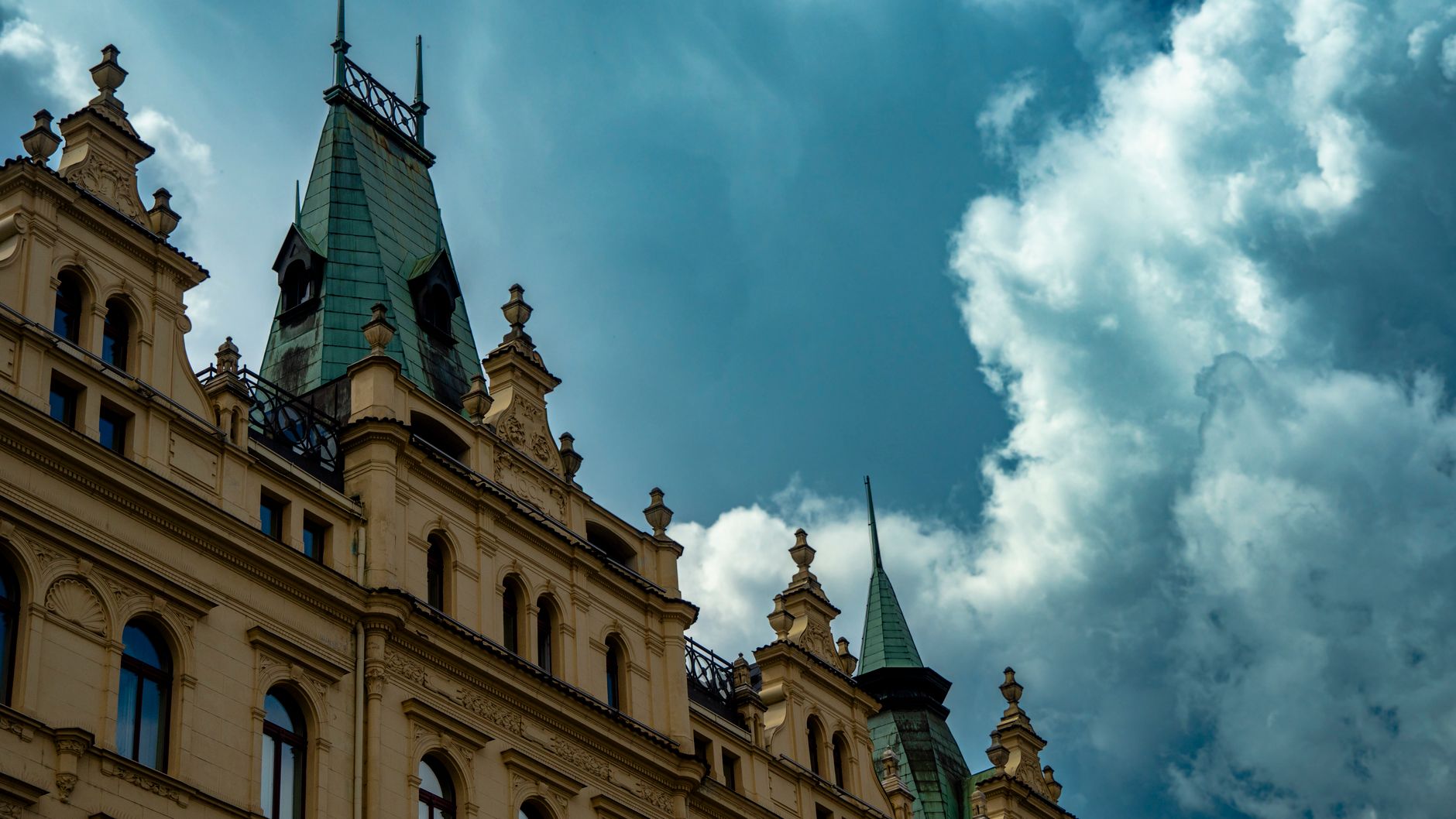
Lyon, France, offers a captivating blend of history, art, gastronomy, and culture. Known as the gastronomy capital of the world, this city is a treasure trove of culinary experiences. Its stunning architecture and vibrant neighborhoods are sure to appeal to visitors seeking both relaxation and excitement.
From its UNESCO World Heritage sites to lively street festivals, Lyon presents an array of activities and attractions for travelers of all tastes. In this guide, we will explore what makes Lyon a destination worth visiting, including must-see attractions, local cuisine, travel tips, and practical information for planning your trip.
What Is Lyon, France Known For?
Lyon is renowned for its rich history, remarkable architecture, and exceptional culinary scene. This vibrant city is famous for being the birthplace of cinema, home to the renowned Lyonnaise cuisine, and a hub of historical significance with its UNESCO-designated sites.
The Culinary Capital of the World
Lyon’s culinary reputation is unmatched. Often dubbed the gastronomic capital of the world, the city boasts a wide array of dining options, from traditional bouchons to Michelin-starred restaurants. Visitors can expect to indulge in authentic Lyonnaise specialties such as:
- Quenelles: Soft dumplings made of fish or meat mixed with a rich sauce.
- Andouillette: A distinctive sausage with a strong flavor, often served grilled.
- Salmon en Papillote: Salmon baked in parchment paper, retaining moisture and flavor.
- Tarte aux Pralinés: A delicious dessert made with praline, offering a sweet taste of Lyon.
Sampling dishes in a traditional bouchon is a must. These rustic eateries offer local dishes in a cozy atmosphere, ensuring an authentic dining experience. Try visiting places like Le Bouchon des Filles or Chez Maman for a true taste of Lyon.
Historical Significance and Architecture
Lyon’s history dates back to Roman times. Its rich heritage is evident in the stunning architecture that spans centuries. Noteworthy areas include:
Vieux Lyon
The old town, or Vieux Lyon, is a UNESCO World Heritage site that features narrow cobblestone streets, Renaissance architecture, and charming squares. Must-visit sites include:
- Basilique Notre-Dame de Fourvière: This iconic basilica offers panoramic views of the city and features stunning mosaics and architecture.
- Place du Gouvernement: A picturesque square surrounded by historic buildings resonating with Lyon’s history.
- Traboules: Hidden passageways that connect the streets, offering a glimpse into the city’s past.
La Croix-Rousse
The La Croix-Rousse district is famous for its silk production heritage. With its distinct bohemian vibe, it’s an ideal place to explore studios, shops, and open-air markets.
Modern Lyon
Modern architecture adds a contemporary flair to Lyon. The Confluence district showcases innovative designs and urban developments, including:
- Musée des Confluences: A striking museum dedicated to science and anthropology, housed in a futuristic building.
- Les Halles de Lyon Paul Bocuse: An indoor market that showcases the best of Lyon’s culinary offerings.
Cultural Attractions and Events
Cultural events and attractions abound in Lyon, making it an engaging destination throughout the year. Here are some highlights:
Festival of Lights
The Festival of Lights, held annually in December, transforms the city into a spectacular light show. Homes and businesses decorate their windows, creating a magical atmosphere. Be sure to experience this enchanting event if you visit in December.
Film and Cinematic Heritage
Lyon is also the birthplace of cinema, thanks to the Lumière brothers. Visit the Institut Lumière to learn more about the history of film and see exhibitions celebrating cinema’s evolution.
Art and Museums
Art enthusiasts will find joy in Lyon’s diverse museums, including:
- Musée des Beaux-Arts: One of the largest fine arts museums in France, showcasing works from ancient to contemporary art.
- Musée d’Art Contemporain: A must-visit for fans of contemporary art, featuring rotating exhibitions from international artists.
- Musée de l’Imprimerie et de la Communication Graphique: A unique museum dedicated to the history of printing and graphic communication.
Getting Around Lyon
Getting around Lyon is straightforward thanks to its efficient public transportation system. Key options include:
- Metro: The metro system has four lines (A, B, C, D) connecting various parts of the city.
- Tram: The tram network complements the metro, offering services to the outskirts and suburbs.
- Bus: Buses cover areas not accessible by metro or tram, making it easy to reach all destinations.
- Bicycle: Lyon also promotes cycling, with bike-sharing schemes and dedicated paths throughout the city.
Best Areas to Stay in Lyon
Selecting the right neighborhood can enhance your travel experience. Here are some recommended areas to consider:
Vieux Lyon
A great choice for those wanting to be immersed in history and culture. You’ll be close to key attractions, dining, and shopping opportunities.
La Croix-Rousse
This area offers a more local experience with a charming atmosphere, artisan shops, and markets. Ideal for art lovers.
Part-Dieu
If convenience is a priority, consider staying near Part-Dieu, the city’s commercial hub with easy access to public transportation and business centers.
When to Visit Lyon
Lyon is a year-round destination, though each season offers a unique experience. Here’s a breakdown:
- Spring (March to May): Ideal for pleasant weather and blooming flowers. It’s a great time for outdoor cafes and parks.
- Summer (June to August): Warm temperatures and bustling tourist activity make it vibrant. Events such as the Festival of Lights take place during this season.
- Fall (September to November): Mild weather, fewer crowds, and beautiful autumn foliage make it a fantastic time to explore the city.
- Winter (December to February): Cold temperatures, but attractions and events like the Festival of Lights provide a magical atmosphere.
Suggested Length of Stay
A weekend trip (2-3 days) is typically sufficient to explore the main attractions, enjoy the local cuisine, and immerse yourself in the city’s culture. However, a week allows for a deeper dive into the city’s neighborhoods and potentially day trips to nearby locations, such as:
- The Beaujolais wine region for a taste of local wines.
- The historical city of Pérouges, known for its medieval architecture.
- Annecy, often called the “Venice of the Alps,” is a scenic day trip option.
Budget Considerations
As with any travel destination, budgeting is essential. Here are key points to consider:
Accommodation Costs
Accommodation prices can fluctuate based on location, season, and type. Budget travelers can find hostels or guesthouses starting at lower rates, while mid-range hotels may range between €80-€150 per night. Luxury options exceed €200 per night.
Dining Expenses
Dining costs vary widely. A meal at a traditional bouchon is around €15-€30 per person, while high-end restaurants can cost upwards of €100 per person. For budget options, explore street food or casual cafes starting at around €10 per meal.
Transportation Costs
Public transport is reasonably priced, with a single ticket costing around €1.90. Consider a multi-day pass for unlimited access to the metro, trams, and buses.
Practical Travel Tips
Here are some practical tips to enhance your visit to Lyon:
- Learn Basic French: While many locals speak English, knowing basic French phrases can significantly enrich your interactions.
- Wear Comfortable Shoes: Lyon is a city best explored on foot, particularly in areas like Vieux Lyon with cobblestone streets.
- Stay Hydrated: If visiting in the summer, be sure to carry water, particularly during outdoor explorations.
Accessibility in Lyon
Lyon is generally accessible for individuals with mobility challenges, though some historic areas may have limited access due to cobblestone streets. Public transport offers assistance, and many attractions have facilities for visitors with disabilities.
Safety Considerations
Lyon is considered a safe city for tourists. However, it’s important to remain vigilant, particularly in crowded areas regarding pickpocketing. Follow general safety tips, such as keeping valuables secure and avoiding poorly lit areas at night.
In summary, Lyon, France, is known for its rich history, breathtaking architecture, and culinary prowess. With diverse attractions, excellent cuisine, and a vibrant cultural scene, it offers something for every traveler. Whether you’re a history buff, foodie, or culture enthusiast, Lyon has much to offer.
For your next step, consider exploring the best dining options in Lyon by checking out the best restaurants in Lyon, France. You can also discover culinary delights in other cities, such as the best restaurants in Nice, France.