
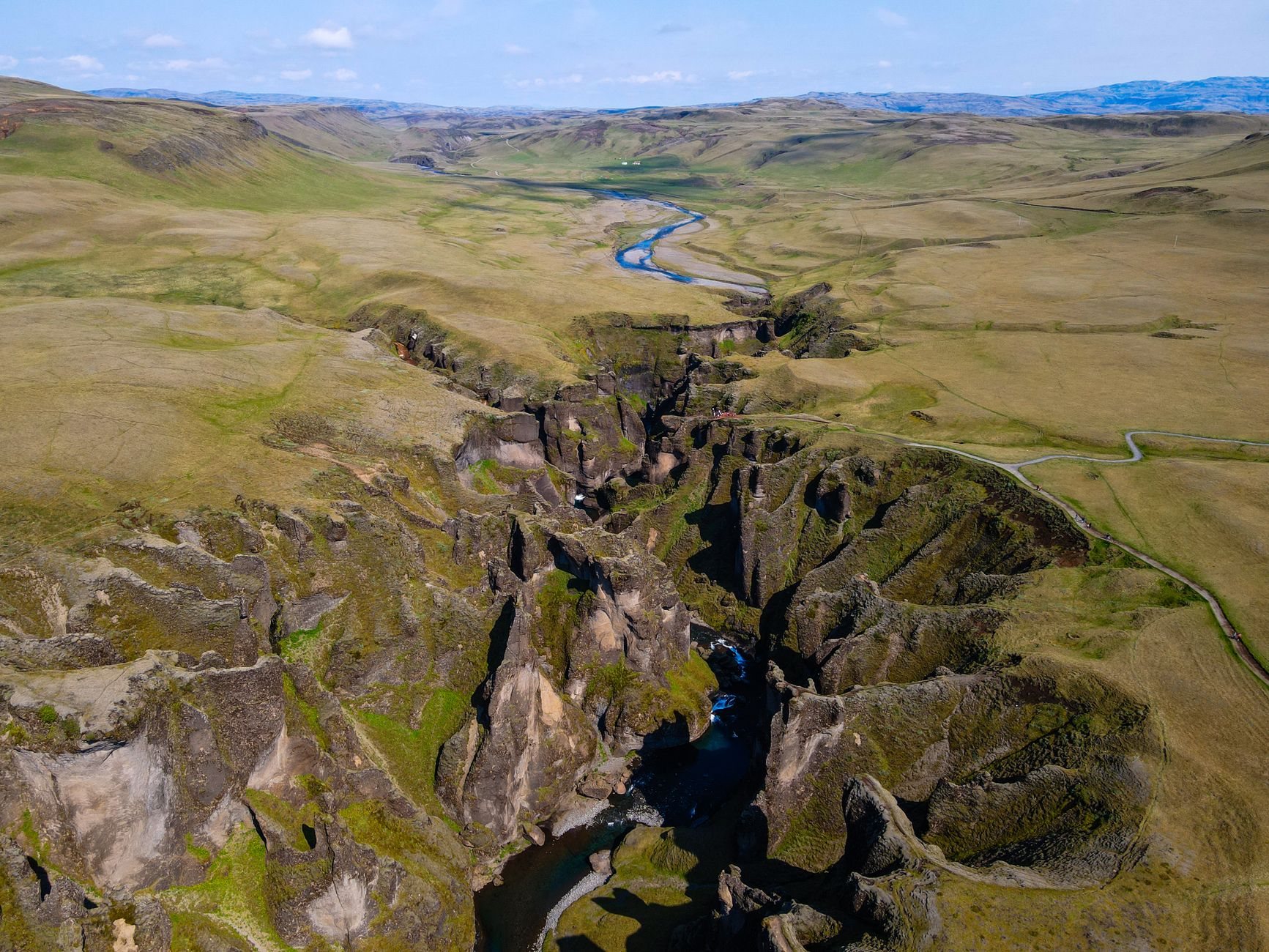
The Grand Canyon is not just a stunning natural wonder; it is a giant chasm that captures the imagination of millions of visitors each year. Located in northern Arizona, this UNESCO World Heritage site offers breathtaking views, diverse ecosystems, and fascinating geological history. Understanding its exact location on a map can enhance your travel planning, ensuring you make the most of your visit.
In this guide, we will help you pinpoint the Grand Canyon on a map, explore the best ways to get there, and offer tips on where to stay and what to do during your trip. Whether you’re visiting for a day or planning an extended stay, we aim to provide you with practical information to make your journey a memorable one.
Where Is The Grand Canyon On A Map?
The Grand Canyon is situated in the state of Arizona, primarily within the Grand Canyon National Park, which is easily found on both digital and physical maps. It is located approximately 80 miles (129 km) northwest of Flagstaff and about 250 miles (402 km) north of Phoenix, Arizona’s capital.
If you want to find it on a GPS device, you can enter the coordinates 36.1069° N latitude and 112.1129° W longitude to pinpoint the South Rim, which is the most popular area of the canyon.
How to Get to the Grand Canyon
Reaching the Grand Canyon is relatively straightforward, and several options are available depending on your starting point and travel preferences.
By Car
- From Phoenix: Take Interstate 17 North to Flagstaff, then switch to Highway 180 North or Highway 64 North to the South Rim. The drive takes about 3.5 to 4 hours.
- From Las Vegas: Drive on US Highway 93 to Kingman, Arizona, then take Route 64 to the South Rim. This option also takes about 4 to 4.5 hours.
- From Flagstaff: The quickest route is via Highway 180 or Highway 64 North, which takes approximately 1.5 to 2 hours.
By Air
If you are considering flying, the nearest major airport is the Flagstaff Pulliam Airport (FLG), which is about 90 miles from the Grand Canyon. Other nearby airports include Phoenix Sky Harbor International Airport (PHX) and Las Vegas McCarran International Airport (LAS). From these airports, you can rent a car or take a shuttle service to reach the canyon.
Public Transportation
While public transport options are limited, there are occasional bus services from major cities that run to different points near the park, including Grand Canyon National Park itself.
Where to Stay Near the Grand Canyon
Accommodation options around the Grand Canyon are plentiful and vary in style and price. Here are some choices based on your travel needs.
Inside the Park
Staying within the Grand Canyon National Park can be a convenient option:
- El Tovar Hotel: This historic hotel sits right on the canyon’s edge and offers stunning views of the rim. Booking ahead is essential due to high demand.
- Bright Angel Lodge: A budget-friendly option that possesses rustic charm and easy access to hiking trails.
- Maswik Lodge: Located a short distance from the rim, it offers both lodge rooms and cabins.
Nearby Towns
If you prefer staying outside of the park, consider these nearby towns:
- Williams: About an hour’s drive away, this town offers plenty of hotels and restaurants, as well as the historic Grand Canyon Railway, which provides train service to the canyon.
- Flagstaff: A vibrant college town offering various lodging options, dining, and shopping. It serves as a great base for exploring Northern Arizona.
Things to Do at the Grand Canyon
The Grand Canyon offers a multitude of activities whether you’re an outdoor enthusiast or seeking leisure experiences.
Hiking
The canyon is renowned for its vast network of hiking trails. Here are some popular routes:
- Rim Trail: Ideal for beginners and families, this trail offers stunning views along the canyon’s rim with various access points.
- Bright Angel Trail: This 12-mile round-trip hike is more challenging and takes visitors into the canyon’s depths.
- South Kaibab Trail: Known for its panoramic views, this trail leads to the Colorado River and is also relatively strenuous.
Scenic Viewpoints
Don’t miss these scenic overlooks for breathtaking views:
- Mather Point: One of the most popular viewpoints, offering stunning vistas with easy accessibility.
- Yavapai Point: Known for its geological exhibits and expansive views of the canyon.
- Hopi Point: A favorite for sunset viewing, providing expansive views of the canyon and the Colorado River.
Visitor Centers
Be sure to stop by the Grand Canyon Visitor Center. It offers exhibits, park information, and rangers available to answer any questions. You can also get maps and guides to help plan your activities.
Rafting Tours
Adventurous types can take rafting tours down the Colorado River. Various companies offer half-day to multi-day trips, providing some of the most unique perspectives of the canyon.
Skywalk
If you’re up for a unique experience, consider visiting the Grand Canyon Skywalk, a glass bridge that extends over the canyon. Although it is located at the West Rim, it offers a thrilling view of the canyon floor below.
Best Time to Visit the Grand Canyon
The Grand Canyon is a year-round destination, but the best time to visit greatly depends on your preferences.
Spring (March to May)
Spring showcases blooming wildflowers and warming temperatures, making it an attractive time for outdoor activities. However, be prepared for occasional rain.
Summer (June to August)
The summer months are the busiest, with warm temperatures in both the rim and canyon areas. It is ideal for hiking but can be hot during the day, so plan to hike early or late. Accommodations can book up quickly, so make reservations in advance.
Fall (September to November)
Fall is another great time to visit. Cooler temperatures make hiking pleasant, and the changing foliage adds to the scenic beauty of the park.
Winter (December to February)
If you’re fond of quiet landscapes and don’t mind chilly weather, winter presents a secluded side of the Grand Canyon. Snowfall can occur, especially on the rims, but many trails remain accessible.
Practical Tips for Planning Your Visit
Having a successful trip to the Grand Canyon involves a little planning. Here are some essential tips to keep in mind:
- Book Accommodations Early: If you plan to stay within the park or in nearby towns, book well in advance, especially in peak season.
- Pack Accordingly: Dress in layers, as temperatures can vary widely between day and night. Bring plenty of water, snacks, and sun protection.
- Early Start: Start your day early to catch the sunrise and avoid crowds on the trails.
- Respect Nature: Stay on designated trails, follow park rules, and do not feed wildlife.
- Stay Informed: Check for any alerts or changes in park policies or conditions on the [official Grand Canyon National Park website](https://www.nps.gov/grca/index.htm).
Accessibility Considerations
The Grand Canyon strives to be accessible to all visitors. Accessible parking is available at various points in the park, and the paved Rim Trail is suitable for those with mobility challenges. The Visitor Center provides accessible exhibits and services for all guests.
Conclusion
The Grand Canyon is an easily accessible and awe-inspiring destination that offers something for everyone, whether you’re there to hike, enjoy the views, or learn about its geology. Knowing its location on a map is just the first step toward a remarkable adventure. Be sure to plan ahead, explore your options for accommodation and activities, and prioritize your safety while enjoying this magnificent natural wonder.
For more travel tips, explore our guides on the best restaurants in Arizona and the best restaurants in Phoenix. These resources can enhance your travel experience and help you discover more about the region.