
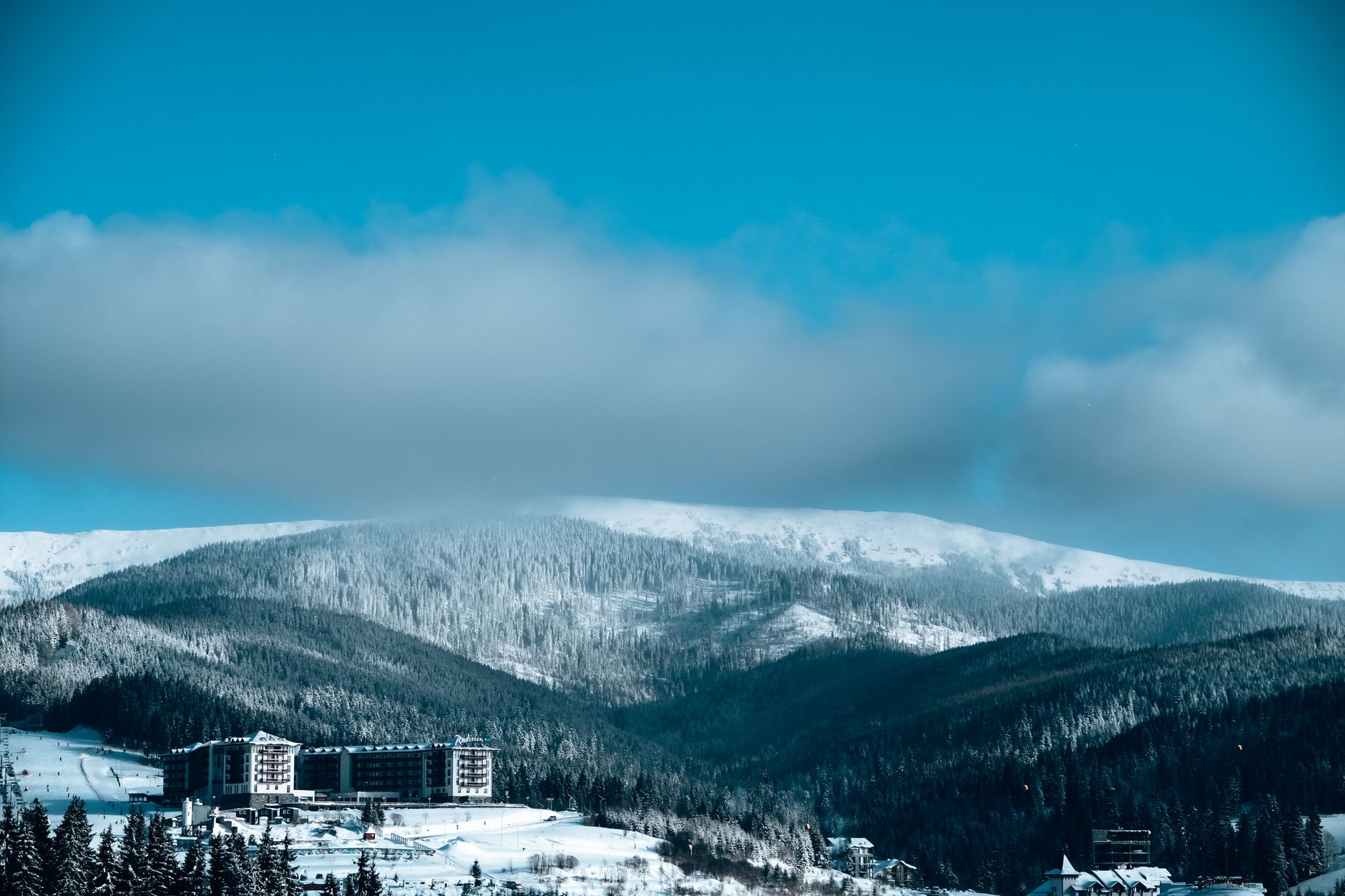
Big Bear Lake, located in Southern California’s San Bernardino Mountains, is a popular winter destination known for its ski resorts and beautiful snowy landscapes. But does Big Bear have snow? The answer is yes! The area typically experiences significant snowfalls during the winter months, attracting winter sports enthusiasts and nature lovers alike.
In this guide, we’ll explore the snow conditions in Big Bear, the best times to visit, what activities you can do in the snow, and practical tips for planning your trip to this winter wonderland.
Does Big Bear Have Snow?
Yes, Big Bear Lake does have snow during the winter months, particularly from late November through late March. The snowfall can vary year to year, but it’s common to find several feet of snow accumulated on the slopes and in the surrounding mountains. This abundance of snow makes it a prime location for skiing, snowboarding, snow tubing, and other winter activities.
The most popular areas for snow activities are Bear Mountain and Snow Summit ski resorts, both of which offer well-groomed slopes and a variety of runs for different skill levels.
When to Visit Big Bear for Snow
To maximize your chances of enjoying snow in Big Bear, plan your visit for the winter season, especially between December and March. Here’s a breakdown of the seasonality:
- December: The winter season kicks off with regular snowfall. As holiday festivities also take place, this is a festive time to visit.
- January: January often sees the highest snowfall, making it an ideal month for prime snow conditions.
- February: Winter activities are at their peak during February, and the snow tends to remain well into the month.
- March: While the weather starts warming up, March can still offer great skiing conditions, particularly early in the month.
Snowfall Insights and Conditions
Big Bear averages approximately 120 inches of snowfall annually. The snowpack can vary based on weather patterns and temperature fluctuations. Typically, snow accumulation is greatest from late December through February.
For the most current snow conditions, it’s advisable to check the local ski resort websites, as they provide up-to-date reports on snow depths and weather forecasts.
Activities in the Snow
There are plenty of activities to enjoy in Big Bear when the snow falls. Here are some popular options:
- Skiing and Snowboarding: Bear Mountain and Snow Summit provide a range of trails suitable for all levels, from beginners to advanced skiers and snowboarders.
- Snow Tubing: Kids and adults alike will enjoy the thrill of snow tubing at spots like the Big Bear Snow Play.
- Snowshoeing: For those looking to explore at a gentler pace, snowshoeing trails zigzag through the beautiful snowy scenery.
- Sledding: Sledding areas like the Alpine Slide at Magic Mountain are perfect for family fun.
- Winter Hiking: From trails like Pine Knot and Castle Rock, enjoy beautiful winter views and a tranquil atmosphere.
Getting to Big Bear
Big Bear is accessible by car, making it an easy destination for a winter getaway. Here are steps to get there:
- From Los Angeles: The drive from downtown Los Angeles takes about 2 to 3 hours depending on traffic conditions. Take the I-10 East and merge onto CA-330 North to CA-18, which leads directly to Big Bear Lake.
- From San Diego: Expect a drive of about 3 to 4 hours. The route typically follows I-15 North to CA-215 to CA-10 East.
- Public Transport: Consider using public transport options like the Mountain Transit service for shuttle bus routes around Big Bear, though cars are generally recommended during winter months for flexibility.
Where to Stay in Big Bear
When planning your stay, you’ll find a range of accommodations suitable for different budgets and group sizes:
Hotels and Resorts
Both Bear Mountain and Snow Summit have nearby lodging options, including resorts and chain hotels. Some popular picks include:
- The Lodge at Big Bear Lake: A picturesque lodge with cozy rooms and proximity to local attractions.
- Best Western Big Bear Chateau: Offers charming rooms with excellent amenities.
- Holiday Inn Resort: A family-friendly environment with a variety of recreational options.
Cabins and Vacation Rentals
For a more home-like experience, consider renting a cabin. There are many options available through platforms like Airbnb and Vrbo that range from small cozy cabins to larger lodgings for family gatherings.
Camping Options
In the winter, camping isn’t as common, but some campsites remain open if you’re equipped for colder conditions. Always check for weather and snow advisories before planning.
What to Pack for Your Big Bear Snow Trip
Winter in Big Bear means cold temperatures and snow, so packing appropriately is key for a comfortable trip. Here’s a packing list to consider:
- Winter clothing: Thermal layers, waterproof jackets, insulated gloves, hats, and socks.
- Footwear: Waterproof boots with good traction for walking on snow and ice.
- Outdoor gear: Ski gear if you plan to hit the slopes, and snowshoes or sleds for additional winter fun.
- Safety items: Sunscreen and sunglasses, as the sun reflecting off the snow can be intense.
- Snacks and hydration: Energy bars and a water bottle are essential, especially if you’re engaging in outdoor activities.
Budgeting for Your Trip
Big Bear can cater to various budgets. Here’s how to plan your finances:
- Accommodation: Depending on the type of lodging you choose, nightly rates may vary widely. In general, expect prices to be higher during peak season.
- Lift Tickets: Ski lift tickets at Bear Mountain and Snow Summit can run from $60 to over $100 per day, depending on the season and whether you purchase in advance.
- Rentals: Gear rentals can also add up. Budget around $30 to $60 daily for ski or snowboard rentals and $20 to $30 for boots.
- Food: Dining options range from cafes to fine dining. A typical meal could cost between $10 to $30 per person, depending on your choice of restaurant.
Accessibility Considerations
Big Bear Lake accommodates individuals with disabilities reasonably well, providing accessible facilities in some hotels and lodges, as well as at the ski resorts themselves. It’s best to call ahead to verify the specific accommodations available. Snow sports have options for adaptive skiing, ensuring that everyone can participate in winter activities.
Family and Solo Travel Tips
Big Bear is family-friendly and also suits solo travelers seeking adventure or relaxation. Here are tailored suggestions for both:
For Families
- Choose family-oriented accommodations that provide amenities for kids.
- Plan activities like snow tubing or sledding, which are fun for all ages.
- Engage in educational experiences such as visiting the Big Bear Alpine Zoo.
For Solo Travelers
- Consider group activities, such as skiing lessons or snowshoe tours, to meet fellow adventurers.
- Take time to explore the village for local shops or cozy cafes.
- Look for events or workshops that might align with your interests and help you connect with locals.
Safety Considerations
As with any winter destination, safety should be a priority when visiting Big Bear. Here are some points to keep in mind:
- Be aware of changing weather conditions before heading out for the day.
- Prepare well for outdoor activities; ensure you have proper gear and let someone know your itinerary if venturing out alone.
- Snow-covered roads can be hazardous. Drive cautiously and consider using chains if snow conditions are severe.
With the right planning and preparation, Big Bear can provide a memorable winter experience filled with snow-adventure fun. Whether skiing down the slopes or enjoying a tranquil walk through the woods, the beauty of snow in Big Bear is captivating.
Explore related guides and articles to plan your journey further: check out the best restaurants in Park City or discover the top restaurants in Kauai for your next adventure.