
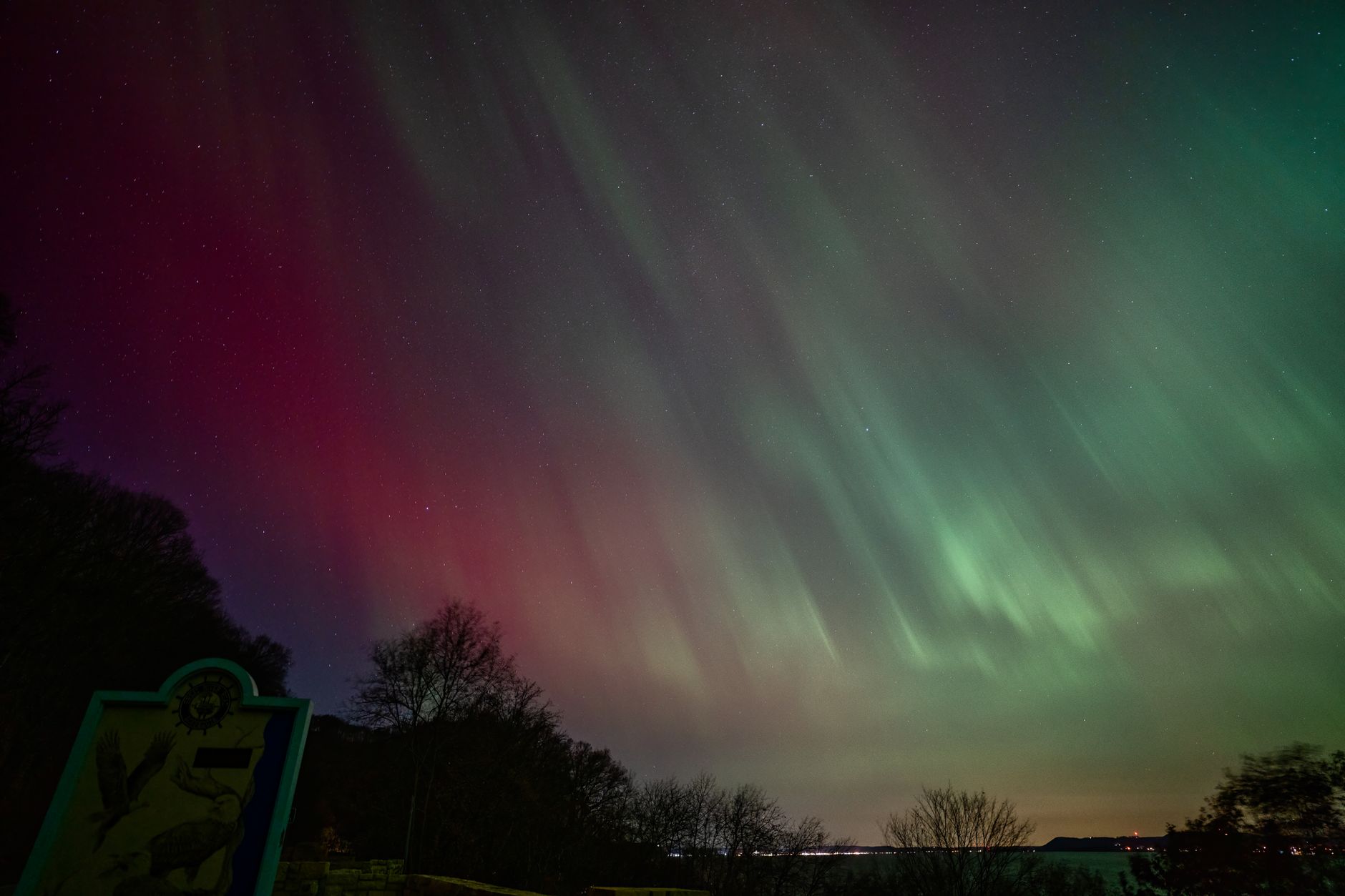
The Northern Lights, or Aurora Borealis, are a natural light display that captivates many travelers. While they are most famously seen in places like Norway, Sweden, and Finland, Ireland is an underrated potential viewing spot. This guide will offer you insights into the chances of witnessing this spectacular phenomenon in Ireland, along with tips for planning your trip.
From the best locations and ideal times to visit, to practical tips for making the most of your aurora-hunting experience, this article should provide all the information you need for an unforgettable adventure.
Can You See The Northern Lights In Ireland?
Yes, you can occasionally see the Northern Lights in Ireland, particularly in the northern regions, including counties Donegal, Antrim, and Down. While sightings are not as common as in other Scandinavian countries, the phenomenon is still possible, especially during certain months.
Understanding the Northern Lights
Before diving into trip planning, it’s helpful to understand what causes the Northern Lights. The lights occur when charged particles from the sun collide with atoms in the Earth’s atmosphere, creating vivid colors in the sky. Factors such as solar activity, geographic location, and atmospheric conditions significantly impact visibility.
Best Times to See The Northern Lights in Ireland
The best chances to see the Northern Lights in Ireland generally occur between late autumn and early spring, specifically from October to March. This is due to longer nights and darker skies, which enhance visibility. However, sightings highly depend on solar activity and weather conditions.
Peak Months
- October: Occasional sightings can begin this month, particularly towards the end.
- November: Increased solar activity often leads to more frequent displays.
- December: Longer nights allow for greater opportunities, though often cloud cover can be an issue.
- January and February: These months are typically the best for viewing, often experiencing clear skies and high solar activity.
- March: This month is also favorable, as winter gradually transitions to spring.
Best Locations for Viewing the Northern Lights in Ireland
While almost anywhere in Ireland could potentially offer a view of the Aurora Borealis under the right conditions, several locations provide better chances due to their geographic position and lower light pollution.
County Donegal
Donegal is recognized as one of the best places in Ireland to view the Northern Lights. Its remote location and dramatic coastal landscape make it ideal. Some recommended spots include:
- Malin Head: Ireland’s northernmost point often has minimal light pollution.
- Glenveagh National Park: A beautiful park that provides open skies and great visibility.
County Antrim
In Northern Ireland, County Antrim is another potential viewing spot. Well-known for its breathtaking scenery, it offers places with favorable conditions, such as:
- Ballintoy: A picturesque village with stunning coastal views.
- Carrick-a-Rede Rope Bridge: A unique vantage point over the sea.
County Down
County Down can also provide an opportunity to see the lights. Areas to consider include:
- Bangor: A coastal town with plenty of open air away from city lights.
- Mount Stewart: A historic estate with less light pollution.
How to Get There
Traveling to Ireland is straightforward, but reaching the best viewing locations requires some planning. The country is accessible via air, sea, and land routes. Here are some options:
By Air
The main international airports are Dublin and Shannon, with other regional airports like Belfast and Cork offering additional connections. Upon arrival, rental cars or public transport can help you navigate to prime viewing spots.
By Ferry
Several ferry companies operate routes from the UK and France, providing a scenic way to arrive. Popular routes include those from Belfast to Scotland or Liverpool to Dublin.
By Car
Driving offers the most flexibility for aurora hunting. Ensure you have a reliable GPS or map to find less traveled roads that lead to dark skies.
Transportation Around Ireland
If you’re traveling to see the Northern Lights, consider these transportation options during your stay:
Rental Cars
Renting a car is highly recommended for exploring remote areas. It grants the freedom to chase clear skies and dark locations for aurora viewing.
Public Transport
While this option is available, it may require more time to reach remote locations. Buses and trains connect larger towns, but local transport to specific viewpoints may be limited.
Guided Tours
For those who prefer a more structured experience, various guided tours focus on aurora sightings. These tours often include excursions to ideal locations with local guides familiar with the best visibility conditions.
Accommodation Options
Finding the right place to stay is essential for maximizing your Northern Lights adventure. Here are some options to consider:
County Donegal
Stay at cozy guesthouses or hotels in nearby towns like Letterkenny or Donegal Town. Options include:
- The Mill Park Hotel
- Glenveagh National Park Campsite
County Antrim
In Antrim, consider accommodations in coastal towns like Ballycastle. Choices include:
- The Marine Hotel
- Local Bed and Breakfasts
County Down
In Down, you can find several hotels and historic inns in towns like Bangor or Newcastle, such as:
- The Clandeboye Lodge Hotel
- The Slieve Donard Resort and Spa
What to Bring
Preparation is key to enjoying your Northern Lights experience. Consider packing the following essentials:
- Warm Clothing: Layering is crucial; temperatures can drop significantly at night.
- Camera and Tripod: Essential for capturing the magical displays.
- Binoculars: Useful for spotting the aurora more clearly.
- Snacks and Drinks: Bring refreshments to stay comfortable while waiting.
- Flashlight: A reliable flashlight helps navigate in dark locations.
Ideal Viewing Conditions
Understanding the factors that contribute to a successful Northern Lights viewing will improve your chances:
Weather Conditions
Clear skies are essential for viewing the aurora. Check local weather forecasts and seek out areas less threatened by cloud cover.
Light Pollution
Avoid urban areas and look for locations well away from city lights. The more remote the area, the better your chances of seeing the lights.
Choosing Your Spot
High ground typically offers better visibility. Look for hills or coastal areas that provide an open view of the northern horizon.
Local Activities Beyond the Aurora
While your primary focus may be the Northern Lights, don’t overlook the many attractions Ireland offers. Here are suggestions to enhance your adventure:
Explore the Coastline
Take time to hike along the stunning coastlines of Donegal or Antrim. The Wild Atlantic Way is renowned for its breathtaking scenic routes.
Cultural Experiences
Engage with local culture through traditional music, dance, and cuisine. Many pubs and restaurants feature live Irish music and authentic dishes.
Historical Sites
Visit ancient castles, monasteries, and archaeological sites to immerse yourself in the rich history of Ireland. Locations such as Dunluce Castle and Newgrange are worthwhile stops.
Budget Considerations
Planning your budget for a Northern Lights trip to Ireland involves several considerations. Here are some factors to keep in mind:
Flight Costs
Airfare varies based on season and origin. Booking in advance and using fare comparison websites can help find better rates.
Accommodation Costs
Prices depend on location and type of accommodation. Expect to pay more for stays in popular tourist areas during peak viewing seasons.
Transportation Expenses
Consider car rental costs versus public transportation fares. While renting a vehicle can be pricier initially, it offers the most flexibility for aurora hunting.
Dining Expenses
Eating out can add up. Budget for meals, but also consider shopping for groceries to prepare your meals, especially if you’re staying in self-catering accommodations.
Safety Considerations
While unlikely, safety is always a priority when traveling. Keep the following in mind:
Travel Safety
Be cautious on remote roads, especially during harsh weather. Use common sense for navigation and avoid driving when conditions are unsafe.
Wildlife Awareness
While exploring the countryside, be mindful of local wildlife and respect their habitats. Observe from a distance and avoid disturbing any animals.
Conclusion
Seeing the Northern Lights in Ireland is a unique experience that requires a bit of planning and a degree of luck. By choosing the right locations, timing your visit appropriately, and preparing adequately, you increase your chances of witnessing this spectacular natural phenomenon. With the right approach, your journey could lead to a nighttime sky lit up with mesmerizing auroras.
If you’re interested in further exploring the local culture, consider dining out at unique eateries like the best restaurants in Dublin or perhaps take a culinary adventure to the best restaurants in Iceland after your trip! Happy travels!