
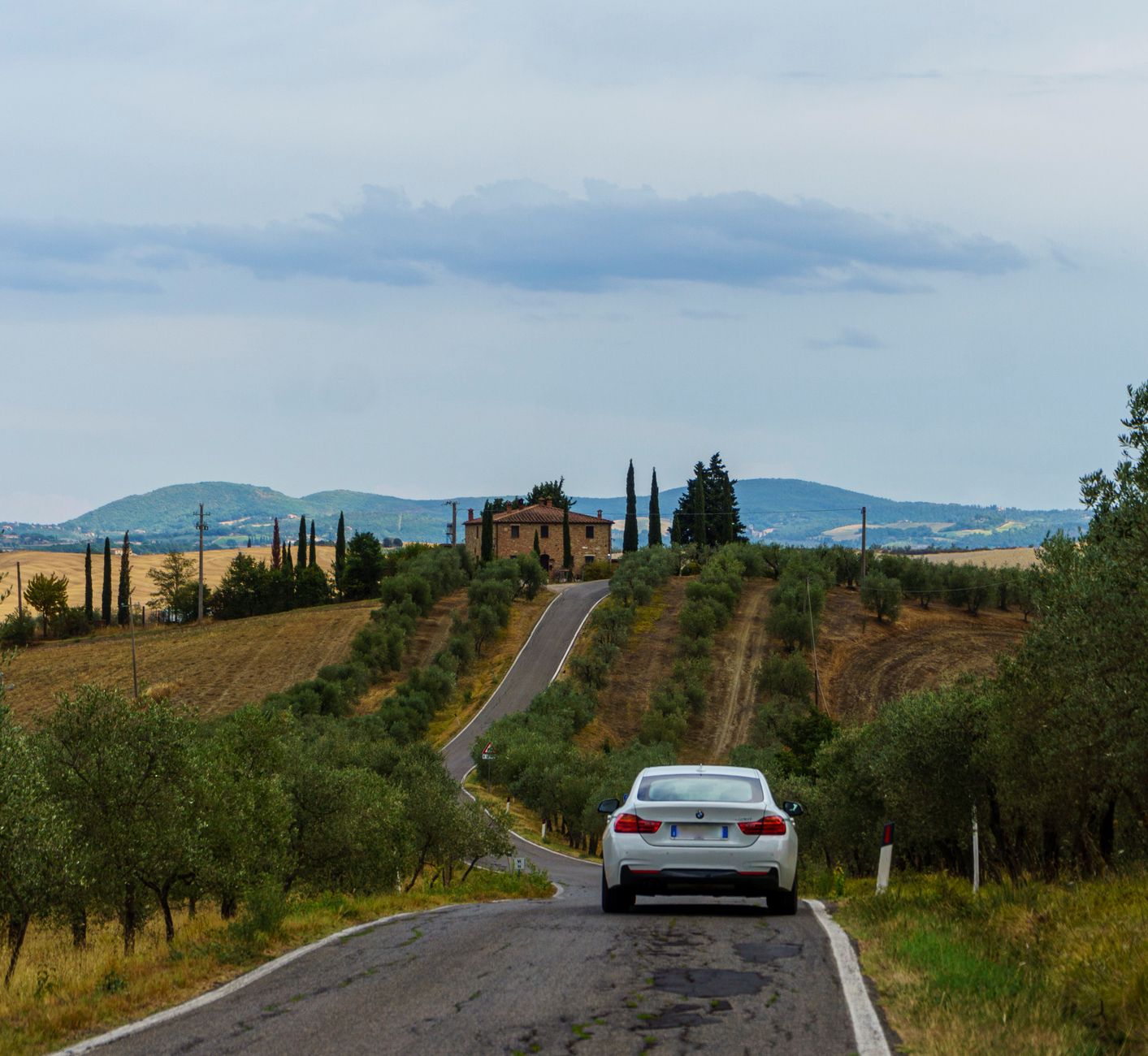
Driving in a foreign country can be daunting, especially when it comes to understanding local traffic laws and driving customs. In Italy, understanding which side of the road to drive on is crucial for a smooth travel experience. This guide will not only clarify that important detail but also offer insights on driving in Italy, including rules of the road, driving culture, and practical tips for travelers.
In Italy, you drive on the right side of the road. This is consistent with most of continental Europe and important to remember if you are renting a car or planning a road trip across the country. Let’s explore everything you need to know about driving in Italy, from road signs to tips for navigating Italian cities.
What Makes Driving in Italy Unique?
Driving in Italy offers a mix of beautiful landscapes, historic cities, and stunning coastal routes. The experience can be quite enjoyable, with scenic drives like the Amalfi Coast or through the picturesque Tuscan countryside. However, there are some key differences to be aware of as you navigate the roads.
Italian Traffic Culture
The driving culture in Italy can be described as lively and fast-paced. Italians tend to be assertive drivers. It’s common to see cars weaving in and out of traffic, and the use of car horns can be frequent. Here’s what you need to know:
- Be prepared for aggressive driving behavior.
- While it might feel chaotic, there is a certain rhythm to the driving that locals follow.
Understanding Road Signs and Regulations
Familiarizing yourself with Italian road signs is essential for safe driving. Here’s a breakdown of the most common signs and regulations:
Common Road Signs
Some essential road signs you will encounter include:
- Stop Sign (Fermati): A red octagon indicating a full stop.
- Yield Sign (Dare Precedenza): An inverted triangle suggesting you must yield to oncoming traffic.
- Speed Limit Signs: Speed limits are posted in kilometers per hour (km/h). Standard limits are 50 km/h in urban areas and 130 km/h on highways.
- Parking Signs: Indicating where you can and cannot park, often with color-coded zones for paying or permits.
Traffic Regulations
Here are some additional regulations you should keep in mind:
- Seat belts are mandatory for all passengers.
- Using a mobile phone while driving is illegal unless you have a hands-free system.
- The blood alcohol limit is 0.05%. For novice drivers or those under 21, it’s 0.00%.
- Roundabouts are common; yield to traffic already in the roundabout.
Road Types in Italy
Italy has a variety of road types, from busy city streets to rural roads. Understanding the different classes can help you plan your journey.
Autostrade (Highways)
Autostrade are Italy’s highways, denoted by an “A” followed by a number, like the A1. Key points about Autostrade include:
- Tolls are generally charged based on the distance traveled.
- Speed limits are typically 130 km/h unless otherwise posted.
- You can pay tolls via cash or card at designated booths, or you can use a Telepass for automatic payment.
Strade Statali (State Roads)
These are major roads that connect cities but are generally not as fast as Autostrade. They are marked with an “SS” followed by a number. Key details:
- Speed limits can vary, usually 90 km/h outside urban areas.
- They may have more scenic routes and be less congested than highways.
Local Roads
Local roads in towns and cities can be narrow and may have limited visibility. Here’s what to keep in mind:
- Expect to encounter pedestrian-only zones and limited traffic areas in city centers.
- Parking may be restricted, so look for designated parking areas.
Renting a Car in Italy
Renting a car in Italy can enhance your travel experience, allowing you to explore regions off the beaten path. Here are some important considerations:
Rental Requirements
To rent a car in Italy, you’ll need:
- A valid driver’s license, preferably with an International Driving Permit (IDP).
- A credit card for rental payment and deposit.
- You must be at least 21 years old; younger drivers may incur additional fees.
Choosing the Right Rental Company
Compare different rental companies to find the best deal, considering factors such as insurance policies and mileage limits. Also, check for hidden fees related to fuel or drop-off locations.
Driving in Italian Cities
Driving in major cities like Rome, Milan, and Florence presents challenges not found on highways. Here’s what you should know:
Traffic Zones (ZTL)
Many Italian cities have limited traffic zones (ZTL) where non-residential vehicles are restricted during certain hours. Driving into these zones can result in hefty fines. Always look for ZTL signs upon entering city centers.
Parking Options
In cities, parking is limited and can be expensive. Here are a few options:
- Public parking garages are often available, but check opening hours.
- Street parking may require purchasing a ticket from a machine.
- Be cautious of painted lines—blue indicates paid parking, and white generally means free parking.
Safety Considerations and Helpful Tips
While Italy is generally safe for drivers, it helps to take precautions to ensure a smooth experience.
Driving Time Considerations
Plan your driving times wisely, particularly during peak travel seasons, as traffic can be heavy. Here are a few tips:
- Try to avoid driving during rush hours, typically from 8-9 AM and 5-7 PM.
- Consider using GPS or a maps app for real-time traffic updates.
Emergency Numbers
Keep important emergency numbers handy:
- Emergency services: 112.
- Car breakdown service: 116.
Exploring Italy Beyond the Cities
Italy’s countryside is full of picturesque towns and breathtaking landscapes, and having a car gives you the freedom to explore them.
Scenic Routes
Consider taking the following scenic drives:
- The Amalfi Coast: A stunning coastal road with breathtaking views and charming villages.
- Tuscany: Drive through rolling hills, vineyards, and historic towns like Siena and San Gimignano.
- Lake Como: A beautiful lakeside drive with many opportunities for stops to enjoy the scenery.
Local Parking Tips
When exploring smaller towns, look for local parking lots or designated on-street parking areas. Many towns also have shuttle services from parking areas to town centers, which can save you the hassle of navigating narrow streets.
Comparing Driving with Other Transportation Options
While driving offers autonomy and scenic views, it’s worth considering the alternatives available. Here’s a breakdown:
Public Transportation
- Buses and Trains: Major cities are well-connected by trains, making it easy to get around without a car.
- Public Transit Systems: Cities have buses and trams that are easy to navigate.
When to Drive vs. When to Use Public Transport
- Drive when you want to explore rural areas or visit multiple small towns where public transit is infrequent.
- Take public transport if you’re staying in a major city where traffic and parking can be difficult.
Conclusion
Driving in Italy can be an exhilarating way to experience the country’s rich culture and breathtaking sights. Remember, you drive on the right side of the road, familiarize yourself with local traffic laws, and take precautions to ensure a safe journey. Whether exploring historic cities or traversing scenic routes, planning ahead will make your trip memorable and enjoyable.
For your next step, consider exploring regional specialties by checking out the best restaurants in Italy or getting specific recommendations for the culinary delights of Florence. Discover where to dine and enhance your Italian journey!
For more travel tips and insights, explore the following guides: the best restaurants in Italy and the best restaurants in Florence, Italy.