
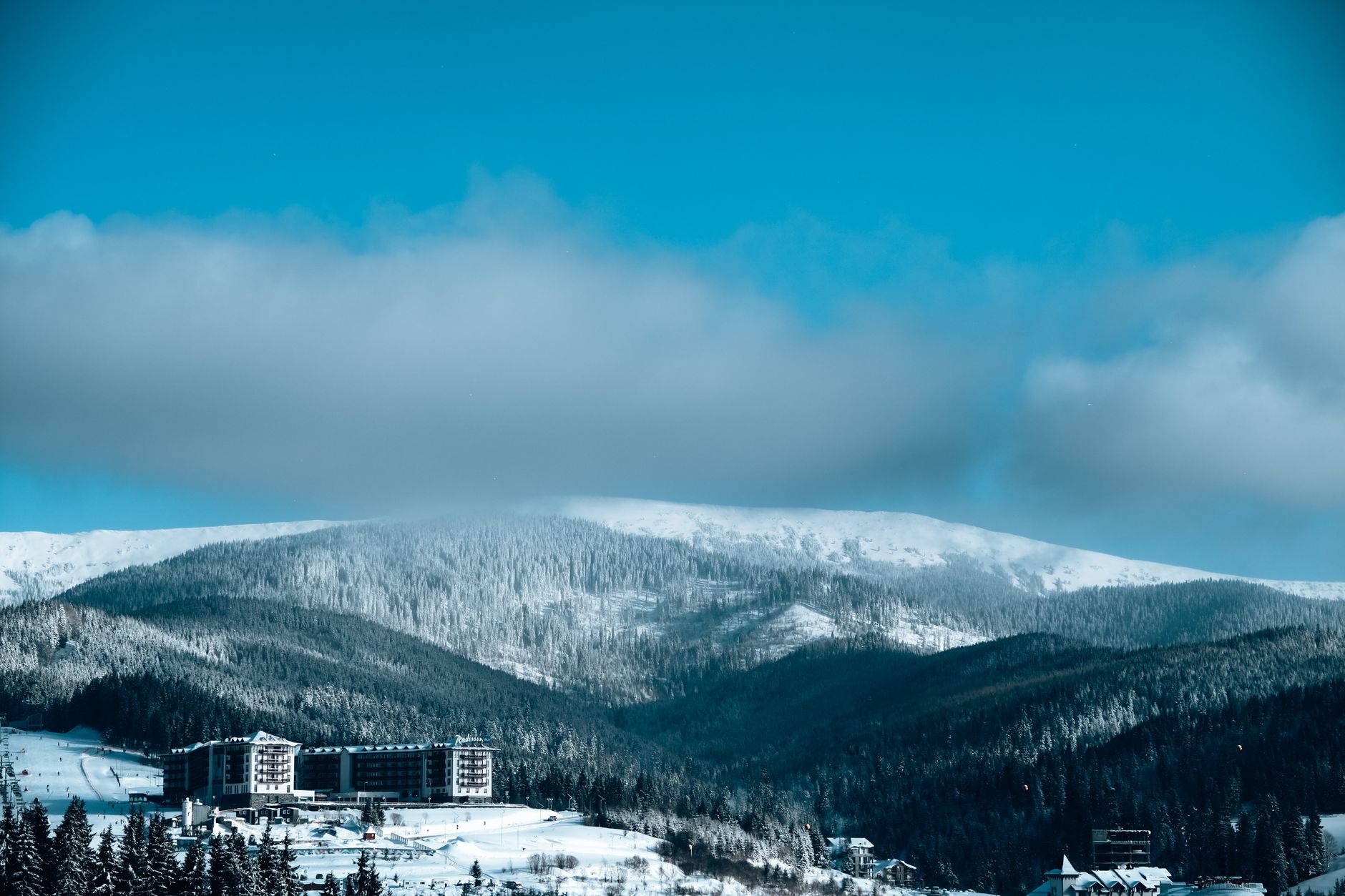
California is often synonymous with sun-soaked beaches and vibrant cities. However, during the winter months, the state transforms into a winter wonderland in various regions. From the Sierra Nevada mountains to the coastal ranges, many parts of California receive significant snowfall, providing opportunities for skiing, snowboarding, and enjoying picturesque winter landscapes.
In this guide, we’ll explore which regions of California get snow, the best activities, travel tips, and accommodations. Whether you’re a winter sports enthusiast or simply seeking a beautiful snowy retreat, this article will help you plan the perfect snowy getaway.
What Parts Of California Get Snow?
Several regions in California experience snowfall, primarily in the mountainous areas. The most prominent locations include the Sierra Nevada, Southern California mountains, and some northern coastal ranges, especially during winter months from November to March.
Sierra Nevada Mountains
The Sierra Nevada mountains are the backbone of California’s winter sports scene. This iconic mountain range stretches over 400 miles and is home to several ski resorts and popular destinations for snow lovers.
Lake Tahoe
Lake Tahoe, straddling the California-Nevada border, is perhaps the most famous snowy destination in California. With its stunning blue waters surrounded by snow-capped peaks, it attracts visitors year-round.
- Popular Ski Resorts: Heavenly Ski Resort, Northstar California Resort, and Squaw Valley Alpine Meadows.
- Activities: Skiing, snowboarding, snowshoeing, and scenic drives around the lake.
- Best Time to Visit: December to February for the most reliable snow conditions.
Yosemite National Park
Yosemite National Park, renowned for its breathtaking granite cliffs and waterfalls, becomes a winter paradise when blanketed in snow. Visitors can experience the tranquility of the park during this quieter season.
- Activities: Cross-country skiing, snowshoeing, and guided winter tours.
- Accommodation: The Tenaya Lodge at Yosemite offers cozy winter lodging.
- Best Time to Visit: Late December through February, though some areas may close due to snow.
Sequoia and Kings Canyon National Parks
Known for their giant sequoia trees, these parks offer picturesque winter scenery and fewer crowds. Snow blankets the massive trees, creating a magical atmosphere.
- Activities: Snow play, winter hiking, and ranger-led snowshoe walks.
- Accommodation: Lodging is available at Wuksachi Lodge.
- Best Time to Visit: January and February for optimal snow conditions.
Southern California Mountains
While Southern California is famous for its beaches, mountain ranges like the San Bernardino and San Gabriel Mountains offer snow-covered slopes during winter.
Big Bear Lake
Big Bear Lake is a popular winter playground known for its ski resorts and beautiful lake views. It’s easily accessible from Los Angeles, making it a top choice for day trips or weekend getaways.
- Popular Ski Resorts: Bear Mountain and Snow Summit.
- Activities: Snow tubing, snowshoeing, and ice skating on the lake.
- Best Time to Visit: December to March for the best snow conditions.
Mt. Baldy
Mount Baldy, located in the San Gabriel Mountains, is known for its challenging terrain and gorgeous views. It’s ideal for experienced winter sports enthusiasts.
- Activities: Snowboarding, skiing, and snowshoeing.
- Accessibility: A short drive from the Los Angeles area makes it an easily accessible destination.
- Best Time to Visit: Late December through March.
Coastal Ranges and Northern California
Even some coastal mountain ranges in Northern California see snow during winter months, particularly in higher elevations.
Mount Shasta
Mount Shasta, an iconic peak in Northern California, is known for its ski resorts and striking beauty. Its snow-capped summit and surrounding areas offer great winter recreational activities.
- Popular Ski Resort: Mt. Shasta Ski Park.
- Activities: Skiing, snowboarding, and snowshoeing.
- Best Time to Visit: December through March for consistent snow.
Redwood National and State Parks
While not as snowy as other regions, Redwood National and State Parks can experience light snowfall in higher elevations during winter. The contrast of redwoods with the white snow is breathtaking.
- Activities: Winter hiking and photography.
- Best Time to Visit: December and January for light snow.
Getting to Snowy Locations
When planning a trip to California’s snowy regions, consider the best modes of transportation and routes to reach your destination smoothly.
By Car
Driving is the most flexible way to visit these areas. Ensure you are prepared for winter road conditions and check local advisories or chain requirements.
- Rental Cars: Opt for a vehicle with all-wheel drive or chains, especially for mountain driving.
- Road Conditions: Always check conditions on Caltrans for any road closures or chain requirements.
By Plane
Flying is another option to reach these snowy locations, especially for those traveling from out of state. Major airports include:
- Reno-Tahoe International Airport: Ideal for accessing Lake Tahoe area.
- Fresno Yosemite International Airport: Best for visiting Yosemite and Sequoia.
- Ontario International Airport: Closest for reaching Big Bear and Mt. Baldy.
Accommodations in Snowy Regions
Finding the right place to stay is essential for enjoying your winter getaway. Here’s a quick overview of accommodation options in different snowy regions of California.
Lake Tahoe
- Luxury: The Ritz-Carlton, Lake Tahoe offers upscale amenities and slope-side access.
- Mid-Range: Northstar Lodge by Vacation Club Rentals provides great family-friendly options.
- Budget: First flat, Emerald Bay State Park, offers affordable lodgings and warm views.
Yosemite National Park
- Luxury: The Ahwahnee Hotel is well-known for its luxurious accommodations and stunning architecture.
- Mid-Range: Yosemite Valley Lodge offers beautiful views of Yosemite Falls.
- Budget: Yosemite Bug Rustic Mountain Resort provides a unique budget accommodation experience.
Big Bear Lake
- Luxury: Lake Arrowhead Resort and Spa offers high-end amenities and beautiful lakeside views.
- Mid-Range: Best Western Big Bear Chateau provides comfortable lodging at reasonable rates.
- Budget: Various cabins and lodges offer affordable options.
Planning Your Visit
To ensure your trip is smooth and enjoyable, consider these planning tips, especially for first-time visitors to snowy regions.
When to Go
Winter is generally the best time to visit these snowy areas, with peak snowfall typically occurring from December to February. Planning your visit during midweek can help avoid weekend crowds.
What to Pack
Here’s a basic packing list to ensure you’re prepared for cold weather and outdoor activities:
- Waterproof snow boots with good traction
- Warm, insulated outerwear and base layers
- Winter gloves, hats, and scarves
- Goggles or sunglasses for bright snowy days
- Snow equipment if you prefer your gear (skis, snowboards, etc.)
- Essential items like lip balm, sunscreen, and a refillable water bottle
Budget Considerations
Costs for a trip to the snow regions in California can vary greatly. Here are a few key expense factors to consider:
- Accommodation: Ranges widely based on location, type, and season.
- Lift Tickets and Rentals: Prices vary by resort. Expect to pay for lift tickets ranging from $50 – $150 a day.
- Meals: Dining out can add up; budgeting for on-the-go snacks and self-catering options can save costs.
Conclusion
California’s snowy regions offer a distinctive winter escape, with stunning scenery and a variety of activities for every type of traveler. Whether you are drawn to the majestic Sierra Nevada, the cozy charm of Southern California mountains, or the serene beauty of coastal ranges, there is a perfect snowy destination waiting for you. So pack your bags, prepare for a chill in the air, and head for the mountains!
For more travel inspiration, check out related destination guides like, best restaurants in Berlin and best restaurants in Blythe, CA.