
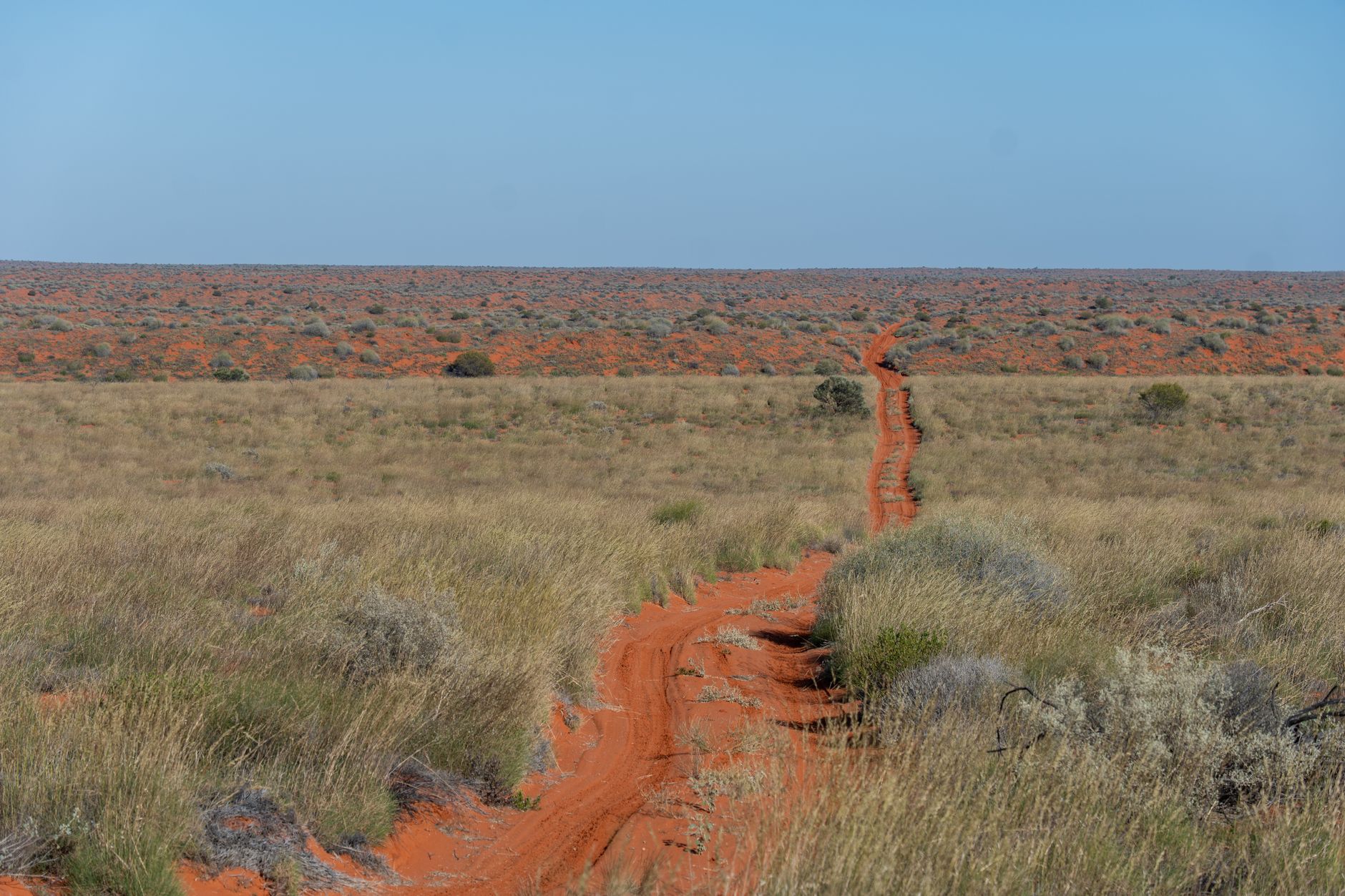
Australia is an expansive country known for its stunning landscapes, unique wildlife, and vibrant cultures. When considering a trip to this diverse destination, one of the essential questions travelers often ask is, “How far is Australia?” However, this question encompasses various aspects, including geographical distance from other regions, travel time, and the logistics of getting there.
This guide aims to provide comprehensive insights into planning a trip to Australia, focusing on how to navigate the distances involved, what to expect on your travel journey, and the most practical options for getting around once you arrive.
How Far Is Australia From Major Cities Around the World?
The distance to Australia can vary significantly depending on your starting point. Below are some general distances from major international cities:
- From New York City to Sydney: approximately 10,000 miles (16,000 km)
- From London to Sydney: about 10,500 miles (17,000 km)
- From Tokyo to Sydney: around 4,800 miles (7,700 km)
- From Los Angeles to Sydney: approximately 7,500 miles (12,000 km)
These distances highlight that reaching Australia usually involves long-haul flights, often exceeding 14 hours from these key cities.
Travel Time to Australia
Considering the vast distances, travel time to Australia will depend on your point of departure and whether you face layovers. Here’s a rough guideline based on direct flights:
- From New York City: around 20-24 hours
- From London: approximately 22-25 hours
- From Tokyo: about 10-12 hours
- From Los Angeles: around 14-16 hours
Most international flights involve additional time for layovers, which can add 2-6 hours, depending on your flight itinerary. Always check with your airline for the most accurate schedule.
Best Airports to Fly Into Australia
Australia has several international airports that serve major cities. Here are the primary ones you may want to consider:
- Sydney Kingsford Smith Airport (SYD): The busiest airport in Australia, located in the heart of Sydney.
- Melbourne Tullamarine Airport (MEL): Melbourne’s main airport, often chosen for cultural experiences.
- Brisbane Airport (BNE): Mainly serves Queensland, offering access to both tropical and urban experiences.
- Perth Airport (PER): The main gateway to Western Australia, closer to Asian hubs.
Selecting the right airport can depend on your travel itinerary and initial destination within Australia.
Visa Requirements for Entering Australia
Before planning a trip, familiarize yourself with visa requirements. Most travelers will need an Electronic Travel Authority (ETA) or a visitor visa. The process can be straightforward, but it’s essential to check the Australian Department of Home Affairs website for specific requirements based on your nationality.
Planning Your Trip: Suggested Length of Stay
Australia is a vast country with diverse landscapes, cultures, and activities. Depending on your interests, a trip can last anywhere from one week to several months. Here are a few suggestions for trip lengths based on different travel styles:
- Quick Getaway (1-2 weeks): Focus on one or two major cities, such as Sydney and Melbourne, exploring their local attractions.
- Comprehensive Tour (2-4 weeks): Visit multiple states or territories, including trips to the Great Barrier Reef, Uluru, and Tasmania.
- Extended Exploration (1+ month): Consider road trips along the East Coast, visit outback regions, and enjoy remote areas like Kangaroo Island.
Mix in some beach time or immerse yourself in the unique wildlife and natural parks to make the most of your visit.
When Is the Best Time to Visit Australia?
The time of year you visit can significantly impact your experience in Australia. Here’s a breakdown of the seasonal considerations:
- Summer (December-February): Expect warm to hot weather; perfect for beach activities but also popular tourist sites. Therefore, it may be crowded.
- Autumn (March-May): Generally milder temperatures and fewer crowds make it an excellent time for exploration.
- Winter (June-August): Some regions can be chilly, particularly in southern Australia, while the north remains warm and is ideal for visiting areas like Cairns.
- Spring (September-November): The weather is generally pleasant and suitable for outdoor activities, with blooming flowers throughout the landscape.
Choosing the best season depends on your activities and preferences for weather conditions.
Accommodation Options in Australia
Accommodation in Australia varies from luxury hotels and beachfront resorts to budget hostels and camping spots. Here’s a closer look at the options:
- Luxury Hotels: Found in major cities with top-notch service, such as the Sydney Harbour Marriott and the Park Hyatt Melbourne.
- Mid-Range Options: Popular chains and boutique hotels are available for travelers seeking more comfort at reasonable prices.
- Hostels and Budget Stays: Backpackers and budget travelers can find numerous hostels in city centers, often with kitchen facilities.
- Camping and Holiday Parks: Excellent in scenic areas, facilitating outdoor experiences and close encounters with nature.
Getting Around Australia
Once in Australia, navigating the vast landscapes involves several transportation methods:
Domestic Flights
For quick travel between cities, consider domestic flights. Major airlines like Qantas and Virgin Australia operate frequent routes.
Car Rentals
Renting a car can provide immense flexibility for road trips, especially along the Great Ocean Road or through the Outback.
Public Transport
Most urban centers have reliable public transport systems, including buses and trains. In larger cities, the tram system in Melbourne is a notable highlight.
Coastal Cruises
For those interested in exploration via water, consider coastal trips or ferry routes, like those between Sydney and Manly.
Must-See Attractions and Activities in Australia
The diversity of experiences in Australia is remarkable. Below are some highlights to consider for your itinerary:
- Sydney Opera House: A must-visit for its architecture and cultural performances.
- Great Barrier Reef: The world’s largest coral reef system, perfect for scuba diving and snorkeling.
- Uluru: An iconic sandstone monolith in the heart of the Northern Territory.
- Melbourne’s Laneway Culture: Explore the vibrant street art, cafes, and boutique shops.
- Wildlife Experiences: Visit places like Kangaroo Island or the Australia Zoo to meet unique wildlife up close.
Food and Drink Guide
Australian cuisine reflects its multicultural society, with influences from indigenous culture to international flavors. Must-try items include:
- Vegemite: A salty spread enjoyed typically on toast.
- Pavlova: A meringue dessert topped with fresh fruits.
- Meat Pies: A popular savory pastry option, especially in sporting events.
- Barbecue: Australians take pride in their barbecue traditions, often featuring fresh seafood and meats.
Explore local markets and trendy food districts for a taste of what Australia has to offer!
Outdoor Adventures in Australia
If you are an outdoors enthusiast, Australia offers ample opportunities for adventure:
- Hiking: Trails like the Overland Track in Tasmania offer stunning views and wildlife encounters.
- Surfing: Iconic spots such as Bondi Beach attract surfers from around the globe.
- Whale Watching: Coastal regions like Hervey Bay are known for annual migrations.
- Camping: Opportunities abound in national parks, including the Blue Mountains and Kakadu.
Travel Tips and Practical Considerations
Considering the distance, here are some essential travel tips when planning your trip to Australia:
- Pace Yourself: Avoid overpacking your itinerary; give yourself downtime to relax and enjoy.
- Stay Hydrated: Especially if engaging in outdoor activities, carry water and regular snacks.
- Respect Local Customs: Learn about indigenous cultures and practice awareness and respect.
- Be Mindful of Wildlife: If exploring remote areas, consider safety precautions regarding encounters with wildlife.
Safety Considerations While Traveling in Australia
Australia is generally a safe destination for travelers. However, standard precautions should still apply:
- Check updated travel advisories from your government, especially concerning areas affected by natural disasters.
- Note local weather conditions, particularly when venturing into remote or wilderness areas.
- Leave your travel plans with someone back home and check in regularly.
Conclusion
Australia’s vast distances can make planning your trip daunting, but knowing how far Australia is from your starting location, along with understanding travel times and essential attractions, can help prepare you for an unforgettable adventure. A well-planned itinerary that considers various factors will ensure you experience all that this beautiful continent has to offer.
If you’re ready to explore further, check out our guides on travel planning and Australia’s best restaurants for more insights and recommendations!