
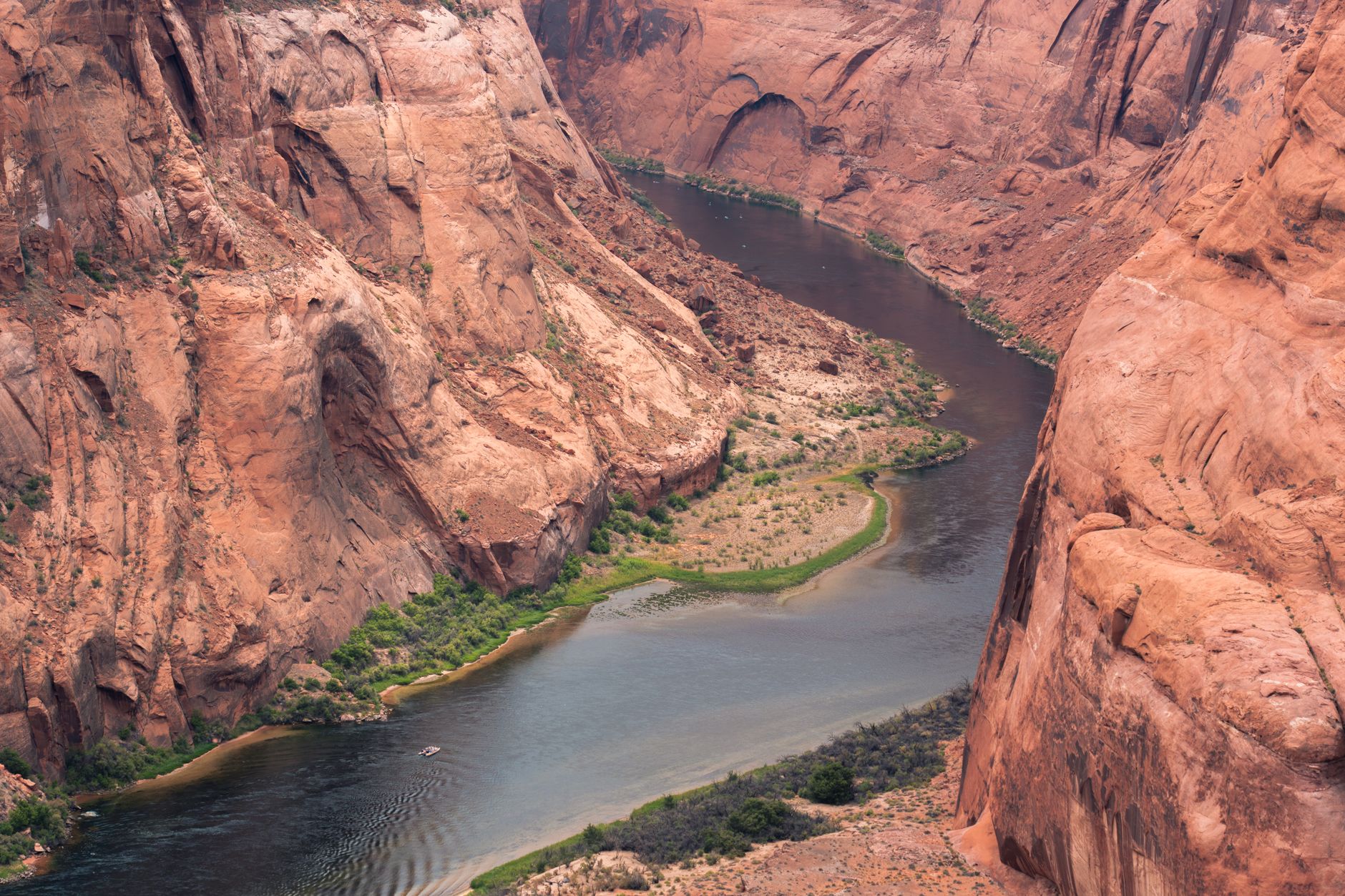
The Grand Canyon is a stunning natural wonder and a popular travel destination, attracting millions of visitors each year. It is primarily located within Arizona but extends its geological footprint into neighboring states. A visit to this majestic canyon sets the stage for outdoor adventure, breathtaking views, and rich Native American history.
Understanding the full reach of the Grand Canyon provides travelers with a better perspective of its environmental significance and geographical diversity. This guide not only addresses how many states the Grand Canyon passes through, but also serves as a comprehensive resource for planning your visit.
How Many States Does The Grand Canyon Go Through?
The Grand Canyon primarily goes through Arizona but also has mentions in other states indirectly related to its geology and watershed. While the vast majority of the canyon resides in Arizona, small portions of its geological features can extend into Utah and Nevada through the Colorado River watershed.
Continuing through this extensive water system, travelers to the Grand Canyon should be aware of surrounding areas that contribute to its beauty and cultural significance.
Overview of the Grand Canyon
The Grand Canyon is part of the Grand Canyon National Park, created in 1919 to protect and preserve its stunning geological features and cultural heritage. Spanning over 277 miles long, 18 miles wide, and a mile deep, this colossal canyon showcases sedimentary rock layers that reveal nearly two billion years of geological history. The limestone, sandstone, and shale of the canyon walls form a mesmerizing visual palette that changes color with the sun and weather conditions.
More than just a geographical feature, the Grand Canyon is a living ecosystem rich in biodiversity. It is home to thousands of species of plants, animals, and unique geological formations, providing an incredible backdrop for all sorts of outdoor activities, from hiking and rafting to photography and stargazing.
Getting to the Grand Canyon
Air Travel
The Grand Canyon is accessible by air via several nearby airports. The closest is the Grand Canyon National Park Airport (GCN), located just outside the park, offering limited flights mainly from Las Vegas. However, most visitors arrive through larger airports:
- Phoenix Sky Harbor International Airport (PHX): Approximately 230 miles away, this airport has a wide selection of domestic and international flights.
- Las Vegas McCarran International Airport (LAS): About 270 miles away, a popular choice for visitors combining their Grand Canyon trip with a visit to Las Vegas.
- Flagstaff Pulliam Airport (FLG): Roughly 90 miles from the Grand Canyon, this airport offers regional flights with some connections to major city airports.
By Car
Driving is one of the most popular ways to get to the Grand Canyon. Here are some common routes:
- From Phoenix: Take I-17 North to Flagstaff. Continue on US-180 North to the park entrance.
- From Las Vegas: Drive on I-93 South to I-40 East, then take AZ-64 North to the park.
- From Flagstaff: Follow AZ-180 directly to the park entrance.
Keep in mind that roads may be affected by weather, especially in winter months, so always check current conditions before departing.
Where to Stay Near the Grand Canyon
Accommodations near the Grand Canyon cater to a wide range of preferences and budgets. Options include hotels, campgrounds, guest lodges, and cabins.
In-Park Lodging
Staying inside the park is ideal for maximizing your time. Options include:
- El Tovar Hotel: A historic lodge offering lovely views of the canyon.
- Bright Angel Lodge: Located at the canyon’s edge, it is a favorite for its proximity to trails.
- Maswik Lodge: Nestled among pine trees, provides a more budget-friendly option.
In-park accommodations tend to fill up quickly, so it is advisable to book well in advance.
Nearby Towns
Several towns near the Grand Canyon offer additional lodging options:
- Williams: Approximately 60 miles from the Grand Canyon, this historic town offers a range of hotels and motels, plus charm.
- Flagstaff: About 90 miles away, boasting numerous hotels, hostels, and vacation rentals, a great base for outdoor activities.
- Page: Situated 140 miles from the canyon, popular for its proximity to Lake Powell and Antelope Canyon.
When to Visit the Grand Canyon
The Grand Canyon is a year-round destination, but the best time to visit depends on personal preferences and the activities planned.
Spring and Fall
These seasons offer mild temperatures and fewer crowds, making it ideal for hikers and outdoor enthusiasts. Expect daily highs ranging from the mid-60s to mid-80s (°F).
Summer
Summer attracts the most visitors, with temperatures often exceeding 100°F (°F) on the canyon floor. The North Rim remains cooler but is only open from mid-May to mid-October. Prepare for larger crowds and book accommodations early.
Winter
Winter provides a uniquely serene experience at the Grand Canyon, especially if you enjoy snow-covered landscapes. However, be prepared for colder temperatures and limited accessibility to some park areas.
Things to Do in the Grand Canyon
From hiking to cultural experiences, there is no shortage of activities at the Grand Canyon. Here are some highlights:
Hiking
The Grand Canyon offers hundreds of miles of hiking trails, ranging from easy rim walks to challenging trails that descend into the canyon. Some popular hikes include:
- Bright Angel Trail: A well-maintained trail with stunning views, suitable for day hikes and longer treks.
- South Kaibab Trail: Offers breathtaking panoramic views but is steeper than Bright Angel.
- North Rim Trails: Less crowded than the South Rim, with trails like the North Kaibab Trail leading to a unique experience.
Rafting and Water Sports
Exploring the Colorado River by raft or kayak offers a thrilling perspective on the canyon. Choose guided trips ranging from a few hours to multi-day adventures through the inner canyon.
Visitor Centers and Museums
Take time to learn about the canyon’s geology and cultural significance at the Grand Canyon Visitor Center, or explore the Kolb Studio and Lookout Studio for historical insights.
Stargazing
Thanks to its remote location, the Grand Canyon provides exceptional stargazing opportunities. Join a ranger-led program or head to designated dark sky areas for a breathtaking view of the night sky.
Planning Your Grand Canyon Adventure
Proper planning can enhance your experience significantly. Here are some considerations:
Budget Considerations
Your budget will depend on your travel style and the length of your stay. Here are some price ranges to consider:
- Accommodations: Expect to pay anywhere from $30 per night for campgrounds to over $300 for in-park lodges.
- Entrance Fee: A vehicle pass for the Grand Canyon is approximately $35, valid for seven days.
- Activity Costs: Guided tours and rafting excursions vary widely, typically running from $50 to several hundred dollars per person.
What to Pack
Be well-prepared for your visit, considering the temperature fluctuations and the level of activities:
- Sturdy Footwear: Essential for hiking and walking.
- Weather-Appropriate Clothing: Layers are advisable for varying temperatures.
- Water and Snacks: Stay hydrated and fueled while exploring.
- Camera/Binoculars: Capture memories and enjoy wildlife.
Accessibility Considerations
The Grand Canyon aims to be accessible to everyone. The South Rim has facilities, viewpoints, and lodging designed for accessibility.
Consider checking the park’s official website for specific accessibility options that meet your needs.
Safety Tips for Your Grand Canyon Visit
While the Grand Canyon is beautiful, it also presents certain challenges. Here are some tips to ensure a safe visit:
- Stay Hydrated: The dry climate can quickly lead to dehydration.
- Know Your Limits: Choose hikes appropriate to your fitness level.
- Follow Trail Guidelines: Stay on marked paths to protect yourself and the environment.
- Be Mindful of Wildlife: Observe animals from a distance and never feed them.
To sum up, the Grand Canyon is a breathtaking destination that primarily lies in Arizona but extends some geological features into Utah and Nevada. Planning your visit requires careful preparation, but the rewards include stunning scenery, diverse activities, and enriching experiences. Whether you’re hiking the trails, floating down the Colorado River, or stargazing in the calm night, this natural wonder provides countless memorable moments.
Explore related destination guides and travel-planning articles to enhance your journey, including tips on the best restaurants in Arizona and the best restaurants in Utah.