
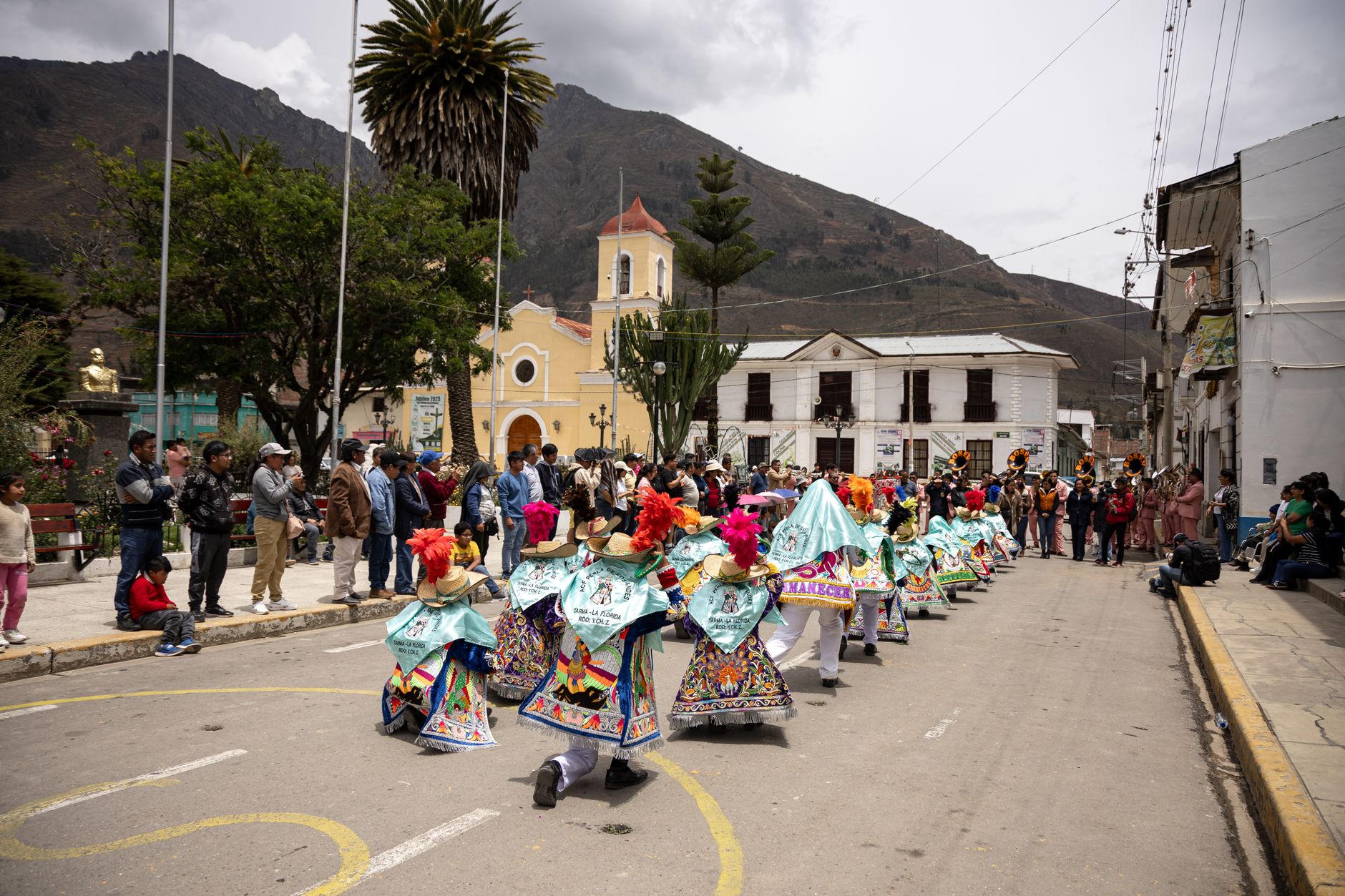
The Day of the Dead, or Día de los Muertos, is an extraordinary celebration in Mexico, especially vibrant in Mexico City. This visually stunning and culturally rich event honors deceased loved ones with various traditions and customs packed into a lively atmosphere. If you’re planning to visit during this time, knowing the dates and festivities can help you maximize your experience.
Day of the Dead festivities occur primarily on November 1st and 2nd, but the preparations and celebrations often begin well before these dates. This article will provide you with a full guide on Day of the Dead in Mexico City, including the dates, activities, cultural significance, and travel tips to make the most of your visit.
When Is Day of the Dead in Mexico City?
The Day of the Dead is celebrated on November 1st and 2nd in Mexico City. The celebration is rooted in both indigenous and Catholic traditions, indicating a reunion between the living and the dead. While November 1st is typically dedicated to honoring deceased children, November 2nd is for adults. Various festive activities lead up to these key dates, making late October an excellent time to experience the buildup and excitement.
Historical and Cultural Significance
Day of the Dead has deep cultural and historical significance in Mexico. Its origins date back thousands of years, rooted in ancient civilizations such as the Aztecs. The belief is that the souls of the deceased return to the world of the living to celebrate and reunite with their families. The Mexican government recognized the Day of the Dead as a UNESCO Intangible Cultural Heritage of Humanity in 2008, acknowledging its importance as a living cultural expression.
Celebratory Customs
Several customs and practices define the Day of the Dead celebration.
- Altars (Ofrendas): Families create altars in their homes or at gravesites adorned with photographs, candles, food, and mementos of the deceased.
- Marigolds: Bright orange marigold flowers are commonly used to decorate altars. They symbolize death and offer guidance to the spirits.
- Food: Traditional food offerings, including pan de muerto (a special bread), sugar skulls, and favorite dishes of the deceased, are integral to the celebrations.
- Parades and Festivals: Vibrant public celebrations take place across the city, with elaborate costumes, music, and dance, fostering a community atmosphere.
Key Attractions and Events in Mexico City
Mexico City’s Day of the Dead celebrations are extensive and varied. Several key events and attractions are not to be missed if you’re in the area during this period.
Mexico City’s Main Squares
The Zócalo, Mexico City’s main square, transforms into a hub of activity. Visitors can view monumental altars, attend live performances, and witness the mesmerizing Calaveras (skulls) etched in colorful designs. Be sure to check the schedule for special events leading up to and during the Day of the Dead.
La Casa de los Muertos
This cultural center focuses entirely on honoring the dead. Featuring exhibits, workshops, and performances, it’s an excellent place to understand the traditions surrounding Day of the Dead fully. Visitors can also participate in crafting altars and sugar skulls.
National Museum of Popular Culture
Located in Coyoacán, the National Museum of Popular Culture hosts exhibitions related to Day of the Dead. The museum often organizes workshops on traditional craft-making and culinary offerings to deepen visitors’ understanding of this vibrant celebration.
Day of the Dead Processions
One of the most captivating experiences is witnessing the processions that occur throughout the city. These processions blend traditional customs, costumes, music, and dance, creating an unforgettable atmosphere. The most famous is the one held in the historic district, which is celebrated with enthusiastic participation from locals and visitors alike. Check local listings to find specific dates and times, as they can vary yearly.
Suggested Length of Stay
A trip to Mexico City during the Day of the Dead usually merits a stay of at least five days. This timeframe allows for the incorporation of first-hand experiences leading up to the main celebration and includes time to explore the city’s rich history, art, and dining options. Arrive in the last week of October to witness the buildup of decorations, parades, and performances.
Traveling to Mexico City
Mexico City is well-connected internationally, making it accessible for travelers. Most international flights land at Aeropuerto Internacional Benito Juárez. From the airport, several transport options include taxis, ride-sharing apps, and airport shuttles to the city center.
Getting Around the City
Once you arrive, several options for getting around Mexico City are available:
- Metro: The metro system is efficient, affordable, and connects various parts of the city.
- Buses: Buses are numerous and can take you to many attractions.
- Bicycles: Bike-sharing programs like Ecobici are available for those who prefer a more active mode of transportation.
- Walking: Many neighborhoods are pedestrian-friendly, particularly in zones with tourist attractions.
Accommodation Options
Mexico City offers a range of accommodations, from budget hostels to luxury hotels. Here are some areas to consider, depending on your travel style:
Historic Center
Staying in the Historic Center puts you within walking distance of major attractions such as the Zócalo, the Metropolitan Cathedral, and more. Look for hotels with traditional Mexican decor and great amenities.
Roma and Condesa
These trendy neighborhoods are known for their vibrant atmosphere, parks, and gourmet dining options. Accommodations here range from boutique hotels to apartments suited for families or groups.
Coyoacán
For a more bohemian vibe, consider staying in Coyoacán. This neighborhood is home to the Frida Kahlo Museum and offers various quaint accommodations in quieter surroundings.
What to Pack for Day of the Dead
Your packing list for the Day of the Dead festivities should include items that reflect both practicality and the celebratory spirit:
- Comfortable walking shoes – necessary for exploring the city!
- Light layers – the temperature can fluctuate during the day.
- A camera – be ready to capture the spectacular beauty of the altars and decorations.
- A small travel altar kit – if you want to honor loved ones during your visit.
- Vibrant clothing or accessories – embrace the festive spirit.
Food and Drink During the Celebrations
No visit to Mexico City during Day of the Dead is complete without indulging in traditional foods and beverages. During this time, it’s common to try:
- Pan de Muerto: A sweet bread typically flavored with orange and decorated to represent bones.
- Sugar Skulls: Beautifully decorated, these candies symbolize the deceased. They can be found everywhere.
- Atole: A warm, comforting drink made from corn, perfect for chilly evenings.
- Cempasuchil Infusions: Enjoy the scent of marigold in beverages or culinary dishes.
Budgeting for Your Trip
Traveling to Mexico City requires some budgeting, especially during high-event times like Day of the Dead. Consider the following factors:
- Accommodation: Prices can vary significantly during Day of the Dead, so budget accordingly and consider booking in advance.
- Food and Drink: Street food is an affordable option, while dining at nice restaurants can take a larger chunk of your budget.
- Activities: Many Day of the Dead festivities are free to access, but workshops and special exhibits may have fees.
Safety Tips for Travelers
- Stay in well-trafficked areas during the celebrations.
- Keep personal belongings secure and avoid displaying valuables.
- Stay informed about local customs and guidelines regarding the festivities.
- Utilize reputable transportation services, especially at night.
Accessibility Considerations
While many areas in Mexico City are pedestrian-friendly, it can pose challenges for those with mobility impairments. Ensure to select accommodations and transportation options that cater to individual needs. Public transport can be limited in terms of accessibility, so plan accordingly.
Conclusion
The Day of the Dead is one of the most vibrant, culturally-rich celebrations you can experience in Mexico City. By understanding the traditions, planning your itinerary around key events, and selecting the right accommodations and activities, you’ll be sure to enjoy this unforgettable experience. Start planning your trip today to make the most of the festivities!
Explore more related destination guides and travel-planning articles to prepare for your trip including the best restaurants in Mexico City and best restaurants in Mexico.