
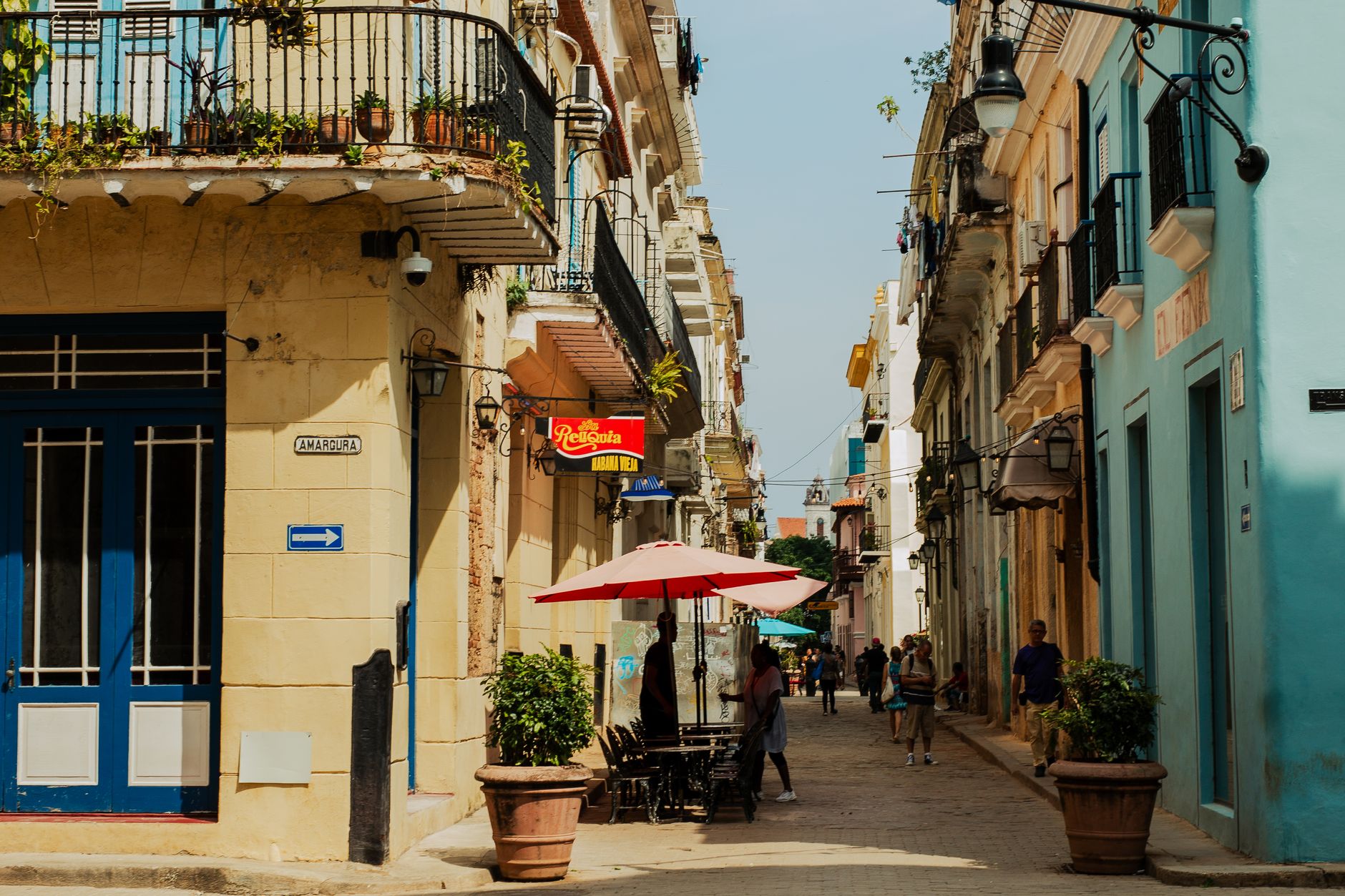
Cuba is a captivating destination that offers travelers vibrant culture, rich history, and stunning landscapes. From the colorful streets of Havana to the pristine beaches of Varadero, Cuba is a blend of old-world charm and natural beauty. This travel guide will provide an overview of what to expect when visiting this Enigmatic Island.
As you prepare for your journey, you’ll discover unique aspects of Cuban life, from its eclectic architecture to its renowned music scene. Whether you are a history buff, nature lover, or someone seeking adventure, Cuba has something to captivating every traveler.
What Is Cuba Like?
Cuba is a diverse island nation that offers a mix of cultural richness, picturesque landscapes, and vibrant communities. Visitors can expect a combination of historical landmarks, lively music, warm hospitality, and stunning beaches, making it an ideal destination for various types of travelers.
Cultural Experience in Cuba
The culture of Cuba is a vibrant tapestry woven from its African, Spanish, and indigenous influences. Visitors can immerse themselves in unique customs, traditional music, and local cuisines.
Music and Dance
Cuba is known for its lively music scene. Genres like Salsa, Son, and Mambo are integral to the Cuban experience. Throughout the island, you’ll find street performances, live music venues, and dance clubs where you can listen to and join in the rhythm.
Art and Architecture
The architecture in Cuba showcases colonial Spanish designs next to modernist influences. In cities like Havana and Trinidad, you’ll witness colorful buildings that tell stories of their past. Visiting galleries and museums can give you a deeper appreciation for local artists, including contemporary works and traditional crafts.
Cuban Cuisine
Cuban cuisine reflects its diverse heritage. Expect meals featuring rice and beans, plantains, and fresh seafood. Must-try dishes include Ropa Vieja (shredded beef in tomato sauce) and Vaca Frita (fried beef). Pair your meal with a mojito or a Cuba Libre, and don’t forget to sample the delicious street food!
Best Areas to Visit in Cuba
Cuba’s geographical diversity means every region has something unique to offer. Here are the must-visit areas:
Havana
The capital city, Havana, is a bustling metropolis that combines rich history with contemporary life. Explore Old Havana (Habana Vieja) for its UNESCO World Heritage sites, including the iconic Malecón waterfront. The Plaza de la Revolución is also a historical landmark famous for its rich political history.
Varadero
If stunning beaches are on your itinerary, Varadero is the destination for you. Its pristine white-sand beaches are perfect for relaxation, water sports, and sunbathing. There are also several resorts and restaurants offering beachfront access and local cuisine.
Trinidad
Trinidad is a charming colonial town well-known for its cobblestone streets and colorful buildings. Visitors can explore the Valle de los Ingenios (Valley of the Sugar Mills) and the nearby Playa Ancón for beach access. It’s a great spot for experiencing traditional Cuban music in its vibrant plazas.
Vinales Valley
This area is famous for its tobacco plantations and striking natural scenery. Hike through lush landscapes and enjoy local tobacco tours to learn about cigar production. Vinales Valley is also known for rock climbing and horseback riding.
Transportation in Cuba
Getting around Cuba can be a unique experience. Here’s how to navigate the island effectively:
By Air
Flying into José Martí International Airport in Havana is the most common way to enter Cuba. Domestic flights connect major cities, like Varadero and Santiago de Cuba, making air travel a convenient option for long distances.
By Bus
The Viazul bus system is reliable and affordable for intercity travel. Buses are comfortable and cater primarily to tourists, providing connections to major destinations. Booking tickets in advance is advisable, especially during high season.
By Taxi
Taxis are widely available, with options ranging from classic cars to modern vehicles. Although not metered, taxis can be hired at negotiated prices. Ride-sharing apps may not operate everywhere, so it’s wise to use local taxis for convenience.
By Bicycle
Biking is an enjoyable way to explore cities and countryside, especially in places like Vinales Valley. Many towns offer bike rentals, or you can join organized cycling tours to experience Cuba from a unique perspective.
Where to Stay in Cuba
Accommodation options vary widely across Cuba, catering to different types of travelers. Here are some recommendations based on your travel style:
Luxury Hotels
- Hotel Nacional de Cuba (Havana): A historic hotel with stunning ocean views and a rich history.
- Gran Meliá Varadero (Varadero): An all-inclusive resort providing luxury accommodation in a beachfront setting.
- Hotel Iberostar Grand Trinidad (Trinidad): A charming retreat with upscale amenities right in the heart of the city.
Mid-Range Accommodations
- Casa Particular (Vinales): A private guesthouse offering an authentic local experience.
- Hotel Plaza (Havana): Centrally located, this hotel boasts charming colonial architecture.
- Hotel Las Morlas (Varadero): Conveniently located near beaches with standard resort facilities.
Budget Options
- Hostel La Casa (Havana): A budget-friendly option with dorms and private rooms available.
- Casa de la Musica (Trinidad): Affordable guesthouses in close proximity to traditional music venues.
- Camping Culture (Vinales): For the adventurous, camping sites are available in picturesque areas.
When to Visit Cuba
The best time to visit Cuba is during the dry season, which runs from November to April. The weather is pleasant, making it ideal for exploring. However, be prepared for peak tourist season in December around the holidays.
Seasonal Breakdown
- Winter (December – February): Mild weather, bustling cities, and popular attractions. Ideal for beachgoers but can be crowded.
- Spring (March – May): Warm weather and fewer tourists. Enjoy local festivals, though be aware of occasional rain showers.
- Summer (June – August): Hotter, with occasional humidity. The tourist crowd lessens, but prepare for potential rain and storms.
- Autumn (September – November): Cooler temperatures but possibly impacted by hurricane season. The scenery is lush as the countryside comes alive.
Suggested Length of Stay
A realistic itinerary for Cuba typically ranges from 7 to 10 days, allowing you to explore key cities and enjoy diverse experiences. Here’s a sample itinerary:
- Days 1-3: Arrive in Havana; explore Old Havana, museums, and nightlife.
- Days 4-5: Travel to Varadero for beach time and relaxation.
- Days 6-7: Head to Trinidad; enjoy music, local tours, and Valley of the Sugar Mills.
- Days 8-9: Visit Vinales Valley; take part in tobacco tours and hike in the stunning landscape.
- Day 10: Return to Havana for departure or further exploration, depending on your schedule.
Budget Considerations
Traveling in Cuba can be relatively affordable or luxurious, depending on your preferences. Here’s a basic breakdown of costs you can expect:
Daily Expenses
- Accommodation: $15-$300 per night, depending on choice.
- Food: $3-$50 per meal, depending on dining style.
- Transportation: $5-$20 for taxis and buses; domestic flights may vary.
- Attractions: $0-$10 for most sites and museums.
Money Matters
Cuba operates on two currencies (though this is shifting), the Cuban Peso (CUP) and the Cuban Convertible Peso (CUC). It’s essential to verify the latest changes regarding currency before you travel. Cash is king in Cuba, as credit cards may not be widely accepted outside major hotels.
Practical travel tips for visiting Cuba
Here are some essential tips for navigating Cuba effectively:
- Learn Basic Spanish: English is not widely spoken outside of tourist hotspots. Knowing some basic Spanish phrases can enhance your experience.
- Stay Flexible: Infrastructure can be unpredictable. Transportation delays and changes may happen, so maintaining flexibility is key.
- Internet Access: Wi-Fi access is limited and often available only in public areas. Consider purchasing a local SIM card for better connectivity.
- Respect Local Customs: Understand and appreciate Cuban culture — greetings, food sharing, and personal interactions hold significance in everyday life.
- Travel Insurance: Ensure you have appropriate travel coverage before your trip, as medical facilities can be limited in rural areas.
Accessibility Considerations in Cuba
Cuba is working toward improving accessibility, but challenges remain, especially in older cities like Havana. Here are some points to consider:
- Public transportation may be challenging for those with mobility issues, with few accessible options.
- Although many hotels are making efforts to accommodate guests with disabilities, facilities may not always meet modern standards.
- It’s best to reach out to your accommodation in advance to inquire about accessibility features and needs.
Safety Considerations
While Cuba is considered safe for tourists, it’s wise to exercise common sense. Here are some practical safety tips:
- Be mindful of your belongings, especially in crowded places, to avoid petty theft.
- Stick to well-lit areas in the evening and avoid walking alone at night.
- Always have a copy of your passport and important documents in case they’re needed for identification.
Traveling to Cuba is an eye-opening experience that combines natural beauty, rich culture, and engaging history. By understanding what to expect and planning your journey wisely, you can enjoy all that this vibrant island has to offer. Start by choosing the best time to visit, booking accommodation, and exploring the many aspects that make Cuba a distinctive travel destination.
For further planning, check out guides on when to visit Cuba and see if Americans can go to Cuba, to enhance your travel experience.