
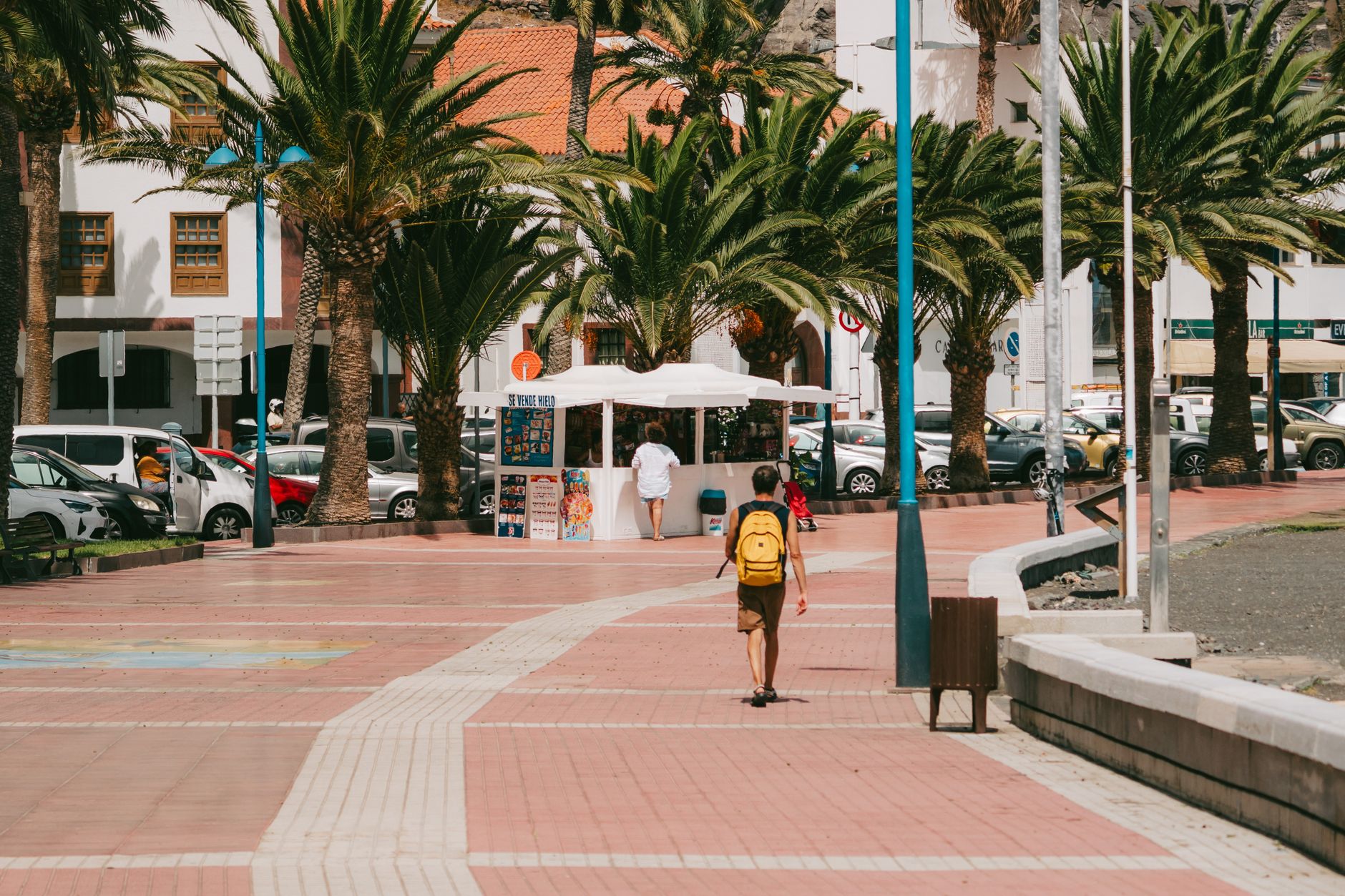
Living in Puerto Rico can be a rewarding experience, with its beautiful beaches, vibrant culture, and rich history. However, potential residents often wonder about safety, crime rates, and healthcare. Understanding these aspects can aid in making an informed decision about moving to or living in Puerto Rico.
This article will provide an in-depth examination of whether Puerto Rico is safe to live in, covering safety statistics, crime rates, healthcare access, and practical tips for making the most of life on the island.
Is Puerto Rico Safe To Live?
In general, Puerto Rico is considered safe for residents and tourists, but like any place, it has its challenges. Crime exists, particularly in certain areas, but many neighborhoods are safe and welcoming. Awareness and precautions can make living in Puerto Rico a positive experience.
Understanding Safety and Crime Rates
Puerto Rico has a complex safety landscape, often influenced by socio-economic conditions and natural disasters. A variety of factors contribute to the overall sense of safety in the area.
Crime Statistics
Crime rates in Puerto Rico fluctuate, with some areas experiencing higher rates of violent crime than others. According to recent statistics:
- The overall crime rate, particularly of violent crime, tends to be higher in urban areas like San Juan and Ponce.
- Property crimes, including theft and burglary, are more common than violent crimes.
- Many neighborhoods feature active community watch programs, which help reduce local crime rates.
Potential residents should refer to local law enforcement agencies for the latest crime statistics and neighborhood safety reports.
Safe Neighborhoods
Many areas in Puerto Rico are considered safe and family-friendly. Some of these neighborhoods include:
- Condado: A tourist-friendly area in San Juan known for its luxury hotels, beautiful beaches, and vibrant nightlife.
- Dorado: A family-oriented community with well-maintained parks and schools, located about 15 miles from San Juan.
- Guaynabo: An affluent suburb of San Juan, known for its excellent amenities and relatively low crime rates.
Researching neighborhoods and visiting them can help you get a sense of the area’s safety and community feel.
Healthcare Considerations
Access to healthcare is crucial for anyone considering a move to Puerto Rico. Understanding the healthcare system can greatly influence the decision to live on the island.
Quality of Healthcare
Puerto Rico has a mix of private and public healthcare facilities. While healthcare quality varies, many doctors and hospitals meet modern medical standards:
- Major hospitals, like Hospital de la Concepción and the Medical Center of Puerto Rico, offer good-quality care.
- Access to specialists may be limited in more rural areas, so urban living may be beneficial for those needing regular medical care.
Health insurance is critical in Puerto Rico. The healthcare landscape can be complicated, with many residents relying on government-run insurance, such as La Reforma.
Emergency Services
Emergency medical services are available, but response times can vary based on location. Familiarize yourself with local options for emergency healthcare, fire services, and police stations.
Transportation and Accessibility
Transportation is a major factor when considering safety in Puerto Rico. Getting around the island safely and effectively can enhance your living experience.
Public Transportation
Puerto Rico’s public transportation system includes buses, taxis, and ride-sharing services. While public buses (collectivos) are available, they may not operate on consistent schedules:
- San Juan Municipalities: Taxis and ride-sharing options like Uber offer convenience within urban zones.
- Public Buses: Known as “AMA,” these buses serve key routes but may lack coverage in some areas, particularly in rural regions.
For a more flexible option, consider renting a car, as many residents do. Roads can be narrow and winding, so be prepared for some adjustment if you are coming from areas with larger roads.
Climate and Natural Disasters
The climate in Puerto Rico contributes to its natural beauty but also presents certain safety challenges. Awareness of seasonal changes is important for residents.
Weather Conditions
Puerto Rico has a tropical climate, which means warm temperatures and humidity year-round. Make sure to be prepared for:
- Heavy rainfall during the wet season, typically from April to November.
- High hurricane risks from June to November, with potential for natural disasters should be taken seriously.
Disaster Preparedness
Being informed and ready for natural disasters is paramount. Residents should have an emergency plan and supplies in case of hurricanes, including food, water, and important documents.
Social Considerations and Community
Building a community and understanding cultural norms can significantly impact the quality of life in Puerto Rico.
Community Engagement
Puerto Ricans are known for their welcoming and friendly nature. Engaging with locals through social events or community meetings can foster support and friendship.
- Participate in cultural festivals to connect with residents.
- Take part in community events or volunteer opportunities.
Establishing connections will provide a support network for new arrivals and enhance the living experience.
Cultural Safety Awareness
Being culturally sensitive can improve interactions with locals. Understanding the cultural nuances and social etiquette can lead to more positive experiences.
Safety Tips for Living in Puerto Rico
When residing in Puerto Rico, practicing personal safety is just as important. Here are practical tips:
- Stay aware of your surroundings, especially in crowded areas or at night.
- Keep your belongings secure—avoid displaying expensive items in public.
- Stick to well-lit and populated areas after dark to avoid potential risks.
- Use reliable transportation options and avoid hitchhiking.
Budget Considerations
Financial planning is crucial when moving to Puerto Rico. Understanding the cost of living can influence your decision-making.
Cost of Living Overview
The cost of living in Puerto Rico varies depending on the area. Here are some factors to consider:
- Housing costs can differ significantly; urban areas like San Juan tend to be more expensive than rural regions.
- Grocery prices may be higher due to importation costs. Buying locally produced items can save you money.
- Healthcare costs should be factored into your budget—verify your health insurance coverage ahead of time.
Developing a Financial Plan
Creating a budget tailored to your lifestyle will help manage finances effectively. Include expenses such as housing, food, transportation, and emergencies. Learning to use local resources can lead to significant savings.
When to Move to Puerto Rico
Timing your move can impact your experience. Consider the following factors when planning your relocation:
Best Time to Move
The dry season, running from November to April, is often regarded as the best time to move. During this period, weather conditions are more favorable, and you can settle in before the hurricane season starts.
Accommodation Arrangements
Start by researching temporary housing options, such as rentals or hotels, while searching for a more permanent residence. Websites specializing in rentals can provide valuable insights into local markets and prices.
Conclusion
Living in Puerto Rico offers a unique experience filled with natural beauty, rich culture, and a welcoming community. Although certain areas have safety concerns, the fundamentals of personal safety, awareness, and engagement can lead to a fulfilling life on the island.
Those considering a move should research neighborhoods, healthcare resources, and community life to make an informed decision. Puerto Rico can be safe and enjoyable to live in, especially with proper planning and awareness.
For more travel information, check out guides such as whether downtown Milwaukee is safe or if it’s safe for Americans to travel to China. Explore these practical resources to further enhance your travel planning.