
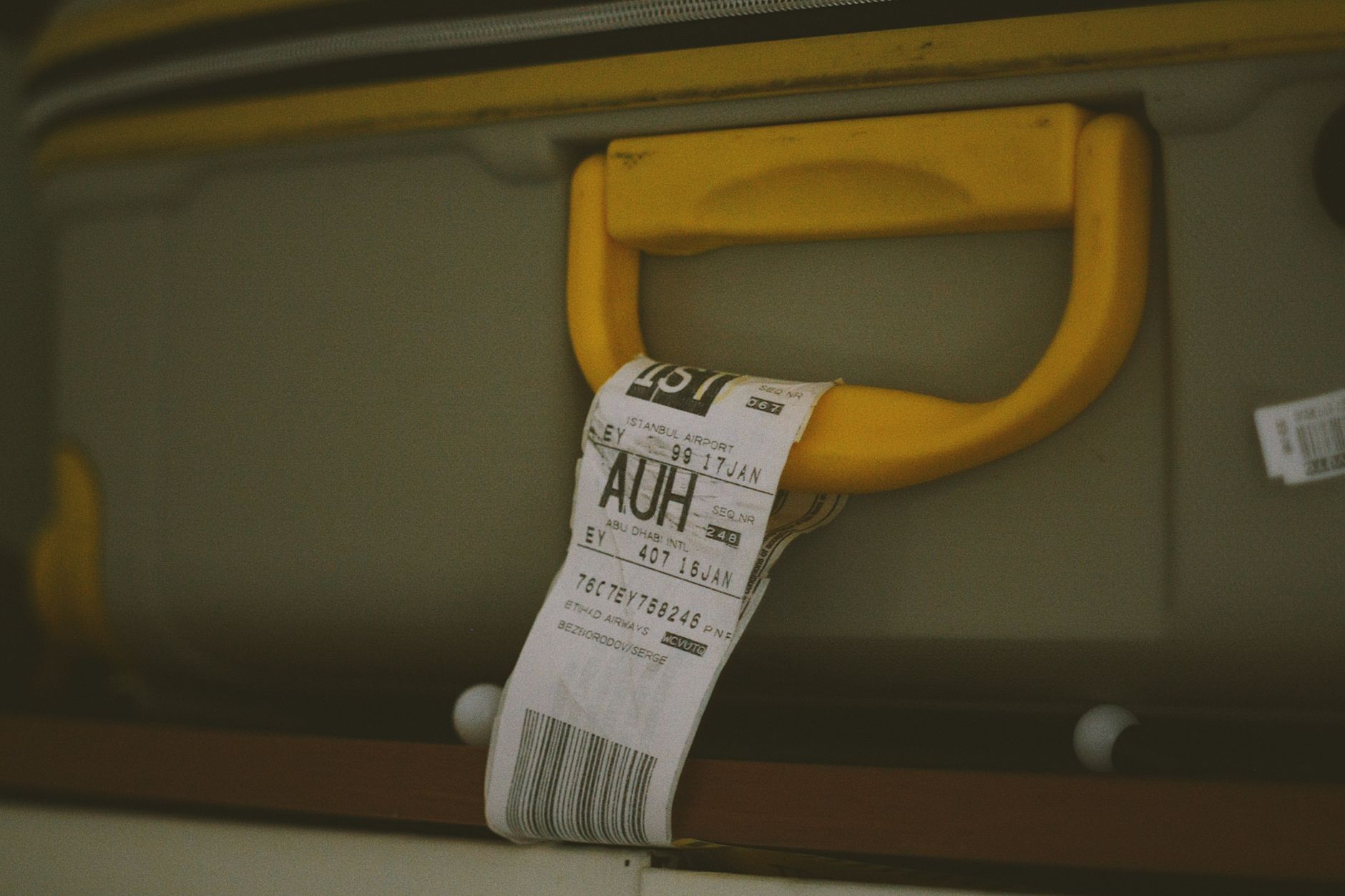
Traveling entails a multitude of logistics, one of which is ensuring that your luggage arrives safely at your destination. A simple, yet vital component of this process is the luggage tag. Understanding what to write on your luggage tag can make a difference in quickly identifying your bags and facilitating their return if lost.
This article offers practical tips on how to effectively utilize luggage tags for your journeys, including what essential details to include, some creative ideas, and when to consider alternative options. Let’s ensure your bags are as well-prepared for travel as you are!
What Should You Write On a Luggage Tag?
The most fundamental question is: what information should you include on a luggage tag? Below is a straightforward list to help you determine the critical details.
- Your Name: Include both your first and last name to facilitate ease of identification.
- Address: Providing your home address helps others locate you if your bag is lost. However, consider omitting the street number to avoid any potential security issues.
- Phone Number: Include your cell phone number or another contact number where you can easily be reached during your travels.
- Email Address: Adding an email can be useful, especially for international travel where your phone may not have service.
- Flight Number: Including your flight number can help baggage handlers return your luggage more quickly if it goes missing.
Additional Considerations
While the above details are fundamental, there are additional elements you might consider including:
- Emergency Contact: An alternate contact person can also be helpful if you cannot be reached.
- Destination Information: For international travelers, it can be beneficial to include your hotel address or a local point of contact.
- Prominent Color or Pattern: Consider using a brightly colored tag or a unique design which can make your luggage easily identifiable on crowded baggage carousels.
Creative Options for Luggage Tags
If you want your luggage tags to stand out both aesthetically and functionally, there are creative options you can consider beyond conventional luggage tags:
- Personalized Tags: Customizable tags can be purchased, adorned with your personal design or photo.
- Digital Tags: With advancements in technology, digital luggage tags are becoming popular. They can include tracking features and are equipped with QR codes for easy scans.
- Reusable Tags: If you travel often, consider investing in a high-quality reusable tag that allows you to change your details without creating more waste.
- Avoiding Personal Touch: Instead of showing your home address, opt for a P.O. Box or just your city and state for added security.
Common Mistakes to Avoid When Labeling Your Luggage
While the information you include is significant, common mistakes can undermine your efforts. Here are some pitfalls to avoid:
- Using a Generic Tag: Always opt for a tag that has your contact details rather than just your name or a hotel name.
- Omitting Essential Details: Don’t forget to include both a phone number and an email. Missing those details can hinder a swift recovery.
- Overloading on Information: Too much information can clutter your tag. Aim for clarity and simplicity while providing vital info.
- Illegible Handwriting: Ensure your handwriting is clear and legible. Consider using a label maker for a neat presentation.
Different Types of Luggage Tags
It’s also essential to understand the various types of luggage tags available on the market. Each has its advantages depending on your travel needs:
- Plastic Tags: Durable and weather-resistant; ideal for frequent travelers.
- Leather Tags: Offer a classic look with added durability; often come with a secure loop attachment.
- Metal Tags: Less common but extremely sturdy; usually engraved for lasting identification.
- Fabric Tags: Lightweight and often customizable. Suitable for travelers who prefer something unique.
Traveling with Kids? Special Considerations for Family Luggage Tags
When traveling with children, ensuring their luggage is easily identifiable can help avoid confusion. Here are some tailored tips:
- Bright and Fun Designs: Let your kids choose colorful tags that reflect their personality; this adds an element of excitement.
- Include Important Health Information: If your child has allergies or other medical issues, write this on the tag for emergencies.
- Attach a Short Biography: For older children, consider having a ‘big kid’ tag with their name, age, and maybe a fun fact about them.
Traveling Internationally? Keep Security in Mind
When preparing luggage tags for international trips, safety considerations come into play:
- Minimize Personal Information: As mentioned, consider limiting your address or using only your city and state.
- Include a Local Contact: If possible, include a friend or hotel’s contact information at your destination for a faster recovery if luggage goes missing.
- Use RFID-Enabled Tags: Consider RFID tags to safeguard against identity theft and privacy breaches.
Using Technology to Your Advantage: Smart Luggage Tags
Smart luggage tags have gained traction due to their innovative features. Here’s what to know:
- GPS Tracking: Many smart tags allow you to track your luggage in real-time using an app on your phone.
- Digital Info: They can be updated via smartphone apps, allowing for quick changes without needing new tags.
- Battery Life: Most smart tags require charging, so ensure you check battery levels before traveling.
Practical Tips for Maintaining Luggage Tags
Keeping your luggage tags in great condition is essential for functionality. Here are practical suggestions:
- Regularly Update Information: If your contact details change, be proactive in updating your tags before each trip.
- Keep Tags Secure: Ensure tags are firmly attached and use strong attachments such as cable ties or heavy-duty loops.
- Check Visibility: After packing, check that your tags are visible and not obscured by bag straps or pockets.
Final Thoughts on Luggage Tags
Ultimately, taking the time to correctly identify and utilize luggage tags can save you a significant amount of stress while traveling. A well-prepared bag is one that offers peace of mind, allowing you to focus more on what truly matters—enjoying your journey.
As you prepare for your next adventure, take the advice in this article to heart. Write clear and accurate information on your luggage tag, consider some creative alternatives, and ensure your bags are easily identifiable to avoid stress during your travels.
Whether you are eager to explore destinations or delve into the logistics of travel, you can explore more about what to buy in Egypt or learn how to become a travel agent in Florida to enhance your travel planning knowledge.