
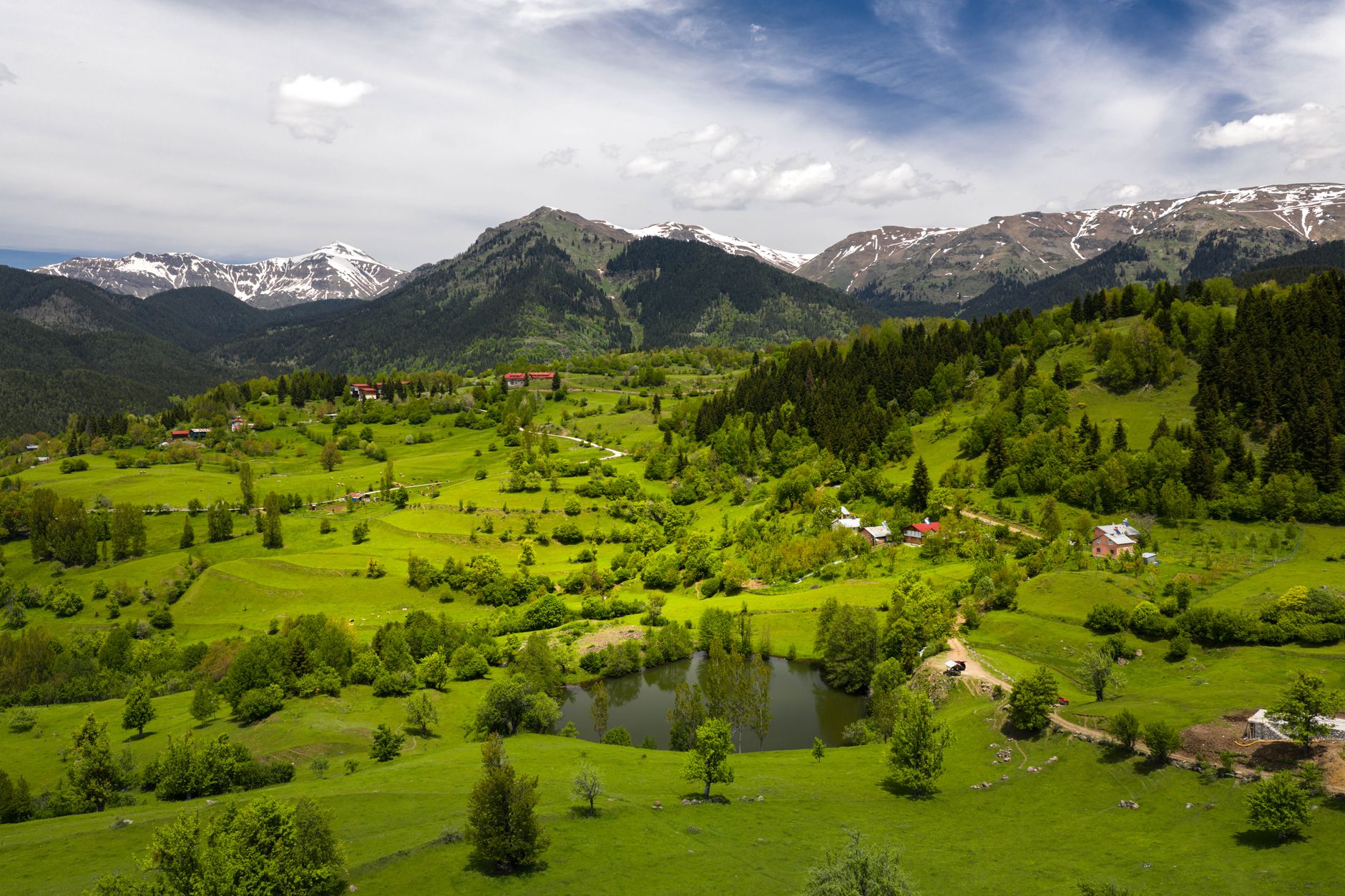
Planning a trip to Ireland involves numerous considerations, especially when it comes to budgeting. With its stunning landscapes, historic sites, and vibrant culture, Ireland offers ample opportunities for travelers to explore. While the cost of a trip to Ireland can vary widely based on travel styles, lengths of stay, and personal preferences, this guide will help you break down the essential expenses.
From flights and accommodations to food and entertainment, understanding these costs will enable you to craft a realistic budget. Whether traveling solo, as a couple, or with family, knowing what to expect financially can enhance your experience in the Emerald Isle.
How Much Would A Trip To Ireland Cost?
The cost of a trip to Ireland depends on several factors, including the season, accommodation type, transportation choices, and daily expenses. On average, travelers might spend between $1,200 and $2,500 for a week-long trip, factoring in flights, lodging, meals, and activities.
Key Factors Influencing Your Total Cost
Here are the main components that will influence your total cost of a trip to Ireland:
1. Flights
Flight prices can vary considerably based on your departure city, the time of year, and how far in advance you book. Generally, you can expect to pay:
- $400 to $800 for round-trip flights from the United States.
- $200 to $500 for flights from other European countries.
Booking your flight three to six months in advance can often lead to better rates. Consider flying into major airports such as Dublin, Shannon, or Cork, as they typically offer the most competitive prices.
2. Accommodation
The type of lodging you choose will significantly affect your costs. Here’s a breakdown of typical nightly rates:
- Hostels: $20 to $50 per night.
- Hotels: $100 to $300 per night.
- Bed and Breakfasts: $80 to $150 per night.
- Mid-range hotels: $150 to $300 per night.
- Luxury accommodations: $300 and up per night.
Consider the location of your stay as well. Major cities like Dublin and Galway may have higher rates compared to rural areas.
3. Transportation Costs
Getting around Ireland can be done in several ways, each affecting your budget differently:
- Public Transportation: Buses and trains are economical, averaging $5 to $30 for intercity travel.
- Car Rentals: Typically $30 to $100 per day, depending on the vehicle type. Keep in mind the added costs of fuel and insurance.
- Taxi Services: In cities, expect to pay approximately $1.50 per kilometer.
For those planning to explore countryside or remote locations, renting a car can be a more flexible and efficient option.
4. Food and Drink
Your daily food and beverage expenses might range as follows:
- Budget travelers: $10 to $20 per day with fast food or casual dining.
- Mid-range dining: $25 to $50 per day, allowing for meals at traditional pubs and nice restaurants.
- Fine dining: $75 or more per day, particularly if you indulge in Ireland’s famous gourmet experiences.
Don’t forget to include drinks; a pint of beer typically costs around $6, while a cup of coffee is about $3. Consider trying local specialties like Irish whiskey or traditional stews.
5. Activities and Attractions
While some attractions are free, others require entrance fees. Here’s what you might expect:
- Free attractions: Many parks, castles, and museums.
- Paid attractions: $5 to $20 per person for sites like the Cliffs of Moher or the Guinness Storehouse.
- Tours: Guided tours can range from $40 to over $100, depending on the length and type.
Allocate around $20 to $50 per day for activities, depending on your interests and the experiences you seek.
6. Travel Insurance
Travel insurance is an important, yet often overlooked, expense. Costs for policies may vary, but you can expect to pay:
- Estimated cost: $50 to $150 for a week-long trip.
Insurance can offer peace of mind, covering trip cancellations, health emergencies, or lost belongings.
Seasonal Considerations
The time of year you visit Ireland can have a major impact on costs.
High Season (June to August)
During the summer months, expect larger crowds and higher prices. Flight costs can increase, lodging fills up quickly, and popular attractions may require reservations. Budget considerations may range:
- Approximate total cost: $2,000 to $3,500 for a week-long trip.
Shoulder Season (April to May, September to October)
This is often the best time for budget travelers. Prices are more reasonable, and the weather is generally pleasant.
- Approximate total cost: $1,500 to $2,500 for a week-long trip.
Low Season (November to March)
The winter months can be cold and rainy, but prices will drop significantly. This is ideal for travelers who prefer smaller crowds.
- Approximate total cost: $1,200 to $1,800 for a week-long trip.
Suggested Itinerary Length
A week is typically a good duration for a first-time trip, allowing time to explore major attractions without feeling rushed. Here’s a simple itinerary to maximize your experience:
Suggested 7-Day Ireland Itinerary
- Day 1: Arrive in Dublin – Explore the city, visit Trinity College, and enjoy a welcome dinner at a local pub.
- Day 2: Dublin to Galway – Sightseeing along the way, including the Cliffs of Moher.
- Day 3: Explore Galway – Check out Quay Street, local markets, and have dinner in the Latin Quarter.
- Day 4: Galway to Killarney – Visit the Ring of Kerry and enjoy scenic views.
- Day 5: Explore Killarney National Park – Hiking or biking through the stunning countryside.
- Day 6: Killarney to Cork – Visit Blarney Castle and shop at the English Market.
- Day 7: Return to Dublin – Last-minute shopping or museum visits before departure.
Money-Saving Tips
Here are effective strategies to save money during your trip to Ireland:
- Travel Off-Peak: Visit during shoulder or low seasons.
- Public Transport: Utilize buses and trains over expensive taxis.
- Eat Like a Local: Choose less touristy restaurants and dine at pubs.
- Free Attractions: Research and take advantage of free events and sights.
- Book Attractions Early: Many sites offer discounts for advance online bookings.
What to Pack for Your Trip
When traveling to Ireland, packing smartly can save you money and enhance your comfort. Here’s a handy checklist:
- Comfortable walking shoes.
- Raincoat or waterproof jacket.
- Layered clothing (t-shirts, long sleeves, sweaters).
- Power adapter for electronics (type G plugs).
- Umbrella and compact day pack.
Considerations for Families, Solo Travelers, and Couples
Traveling with family, alone, or as a couple can change your budgeting needs and experiences.
Traveling with Family
Families should budget for higher accommodation costs and consider activities that are child-friendly. Look for family ticket discounts at attractions to save on entrance fees.
Solo Travelers
Solo travelers may find hostels and budget accommodation ideal. It’s also a great opportunity to join group tours that range in price and can enhance social experiences.
Couples
Couples might indulge in more intimate dining experiences and potentially stay in nicer accommodations. Consider romantic attractions like the Giant’s Causeway or cliffside walks.
Safety and Accessibility Considerations
Staying safe while traveling in Ireland is a priority. Always stay aware of your surroundings, particularly in crowded areas. Many attractions are well-equipped for accessibility; however, researching specific sites can help those requiring additional assistance.
Where to Find Updated Travel Information
To stay current on any regulations or travel advisories for Ireland, check resources like government travel sites or local tourism boards.
As you plan your trip, a well-thought-out budget is essential to enjoying the stunning landscapes and rich culture of Ireland without breaking the bank. Consider all expenses and adapt your itinerary to suit your interests and financial constraints.
For further inspiration, explore related guides such as what to see in Dublin or whether you can see the Northern Lights in Ireland.