
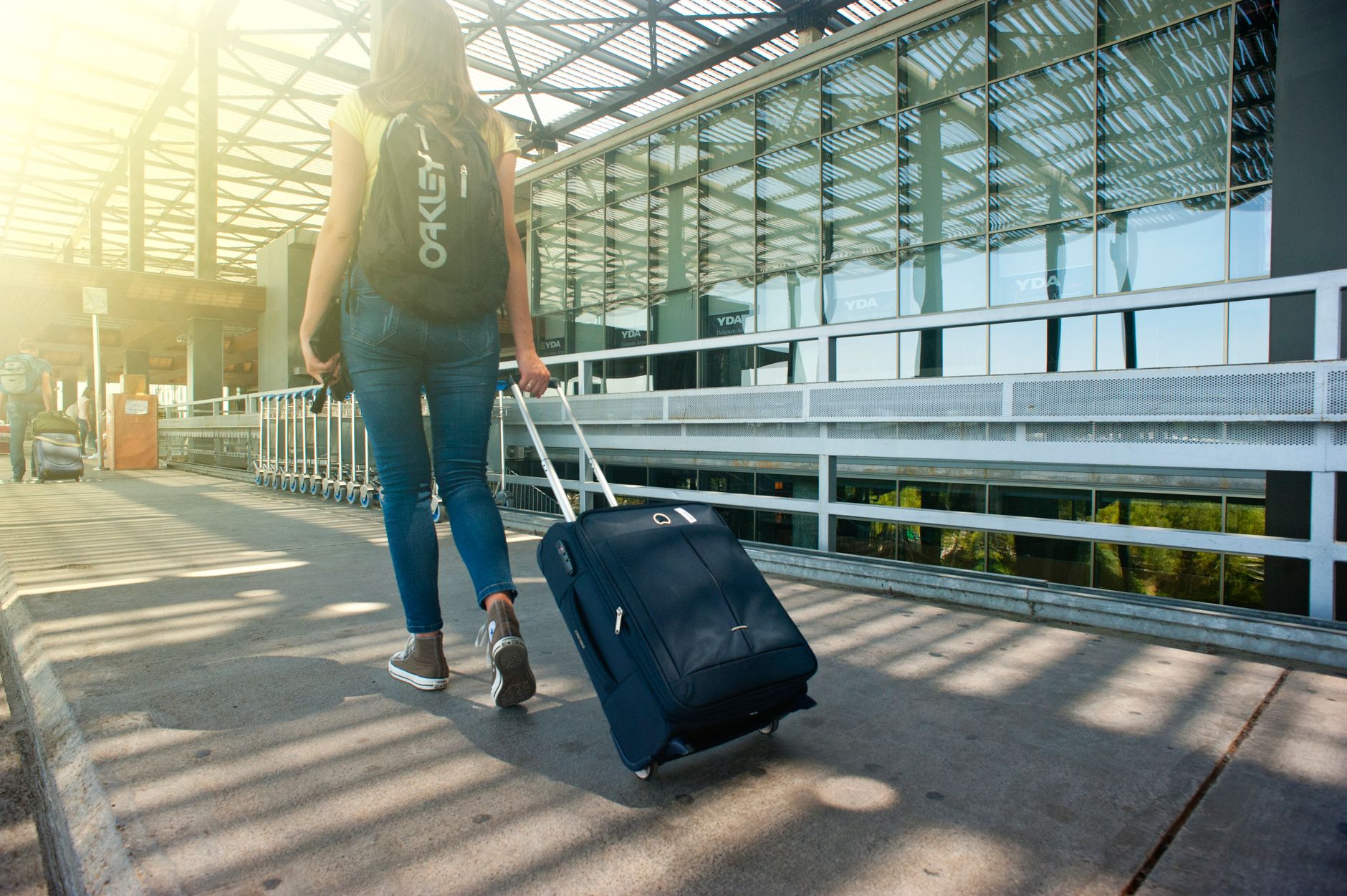
When traveling by air, one of the most essential considerations is understanding the limitations around carry-on luggage, particularly its weight. Knowing these regulations helps avoid unexpected charges and facilitates smoother boarding experiences. In this guide, we will explore the maximum weight allowed for carry-on luggage and provide practical tips for ensuring you stay within the required limits.
The rules regarding carry-on weight can vary by airline, flight route, and even aircraft type. It’s crucial to plan ahead and verify details with your specific airline before packing your bags. This article will equip you with the key information to optimize your packing strategy and navigate airline regulations with confidence.
What Is The Maximum Weight For Carry On Luggage?
The maximum carry-on weight typically varies between airlines but generally falls within a range of 15 to 22 pounds (7 to 10 kg). Some airlines, especially low-cost carriers, may enforce stricter weight limits, while others might allow more flexibility. Always check your airline’s website for the most accurate and updated information.
In addition to weight, airlines also impose size restrictions for carry-on luggage, often measuring around 22 x 14 x 9 inches (56 x 36 x 23 cm). Knowing both dimensions and weight will ensure that you meet the requirements, allowing you to keep your belongings with you instead of checking them in.
Airline-Specific Carry-On Weight Guidelines
To give you a better understanding, let’s delve into the carry-on luggage policies of several major airlines:
- American Airlines: Weight limit not specified, but bags must fit in the overhead bin. Standard dimensions: 22 x 14 x 9 inches.
- Delta Air Lines: No specific weight limit; however, bags need to fit in the designated dimensions: 22 x 14 x 9 inches.
- United Airlines: No weight limit specified, but dimensions must not exceed 22 x 14 x 9 inches.
- Southwest Airlines: No weight limit, but dimensions are capped at 24 x 16 x 10 inches.
- JetBlue Airways: Weight limit is 50 pounds, but the carry-on bag size must be within 22 x 14 x 10 inches.
- Ryanair: Maximum weight is 22 lbs (10 kg) for priority boarding; non-priority carry-on limit is a smaller personal item.
- EasyJet: Carry-on weight should not exceed 15 lbs (7 kg) with dimensions of 22 x 18 x 10 inches.
Many airlines will allow a personal item in addition to your carry-on, often defined as something smaller, like a backpack, handbag, or laptop case. This length can vary between 15 to 18 inches in dimensions, but it counts as an additional item that also must meet the airline’s size restrictions.
Common Exceptions and Additional Charges
While some airlines have specific rules, there are exceptions. For example, business or first-class passengers may often enjoy higher weight allowances as part of their premium travel experience. Additionally, frequent flyers or those holding elite status with an airline might benefit from similar exemptions.
Before you board your flight, ensure you check for additional charges that may apply if your carry-on luggage exceeds the allowed weight or size limits. Charges can vary widely based on the airline and route, often ranging from $25 to $100 per checked bag or oversized carry-on item.
Optimal Packing Tips for Carry-On Luggage
Packing efficiently for air travel is crucial in maximizing your limited carry-on space. Here are some useful strategies to help you stay within weight limits while ensuring you bring everything you need:
1. Choose the Right Bag
Invest in a quality carry-on bag that is lightweight yet spacious. Look for bags with internal compartments that can help organize your items and keep your bag weight down. A hard-shell suitcase may be stylish but could weigh more than a fabric alternative.
2. Prioritize Essentials
Packing according to your trip’s duration helps you prioritize essentials. Create a list of must-have items first, including travel documents, medications, toiletries, and a change of clothes.
3. Consider Clothing Options
Select versatile clothing that can be mixed and matched for different outfits. Opt for lightweight, quick-drying fabrics. Roll your clothes instead of folding them; this saves space and can even reduce wrinkling.
4. Limit Toiletries and Liquids
Adhere to TSA guidelines when packing liquids, ensuring they are in 3.4-ounce (100ml) containers or smaller, all packed in a single quart-sized clear plastic bag. Consider shifting to solid toiletries like shampoo bars or compact makeup to save weight and space.
5. Use Travel-Size Products
Purchase travel-size or sample products to reduce weight. Most major brands offer smaller versions of their products. This not only helps you stay within weight limits but also saves space in your luggage.
6. Wear Bulky Items
If traveling during cooler months, wear or carry heavier clothing items, such as jackets or boots, to save weight in your carry-on. Layering can also help you adapt to varying temperatures during your trip.
7. Pack Smartly
Invest time in learning how to pack efficiently. Start by placing heavier items at the bottom of your bag, and fill in the gaps with smaller items like socks or undergarments. Utilize every inch of available space to streamline your packing.
Traveling With Special Items
When traveling, you may want to bring items that require special consideration, such as sporting equipment or fragile gadgets. Here’s how to handle them:
1. Sports Equipment
Many airlines allow you to bring sports equipment as part of your carry-on allowance. However, certain items, like large sports bags, may exceed size limits. Contact your airline beforehand to confirm their policies.
2. Electronics
Ensure your electronic devices, such as laptops or tablets, are easily accessible. Most airlines require these items to be removed from your bag during security checks, so keep them at the top of your carry-on for easy access.
3. Musical Instruments
Traveling with a musical instrument often involves additional considerations. While some airlines permit small instruments as carry-on items, others might require you to purchase an extra seat. Check your airline’s policy if you plan to travel with an instrument.
Prohibited Items in Carry-On Luggage
All airlines prohibit certain items in carry-on baggage for safety and security reasons. Familiarizing yourself with these restrictions will save you time during security checks. Common prohibited items include:
- Sharp objects (knives, scissors, etc.)
- Explosive materials (fireworks, flares, etc.)
- Flammable liquids (lighter fuels, gasoline, etc.)
- Sizeably large sporting goods (baseball bats, golf clubs, etc.)
- Tools longer than seven inches (e.g., hammers, wrenches, etc.)
- Self-defense items (mace, pepper spray, etc.)
For specifics on what is allowed, check the Transportation Security Administration (TSA) or your local security agency website. Being informed will help keep your travel experience hassle-free.
Final Thoughts on Carry-On Luggage
Understanding the maximum weight for carry-on luggage and how to navigate airline policies can significantly enhance your travel experience. Proper planning and packing can help maximize your carry-on allowances while ensuring you comply with regulations.
Now you’re equipped with essential information about carry-on weight limits, packing strategies, and airline restrictions. Enjoy your travels, and pack smart!
For further guidance on travel-friendly topics, explore related articles like how much fluid ounces are allowed on a plane and whether you can bring dry shampoo in your carry-on.