
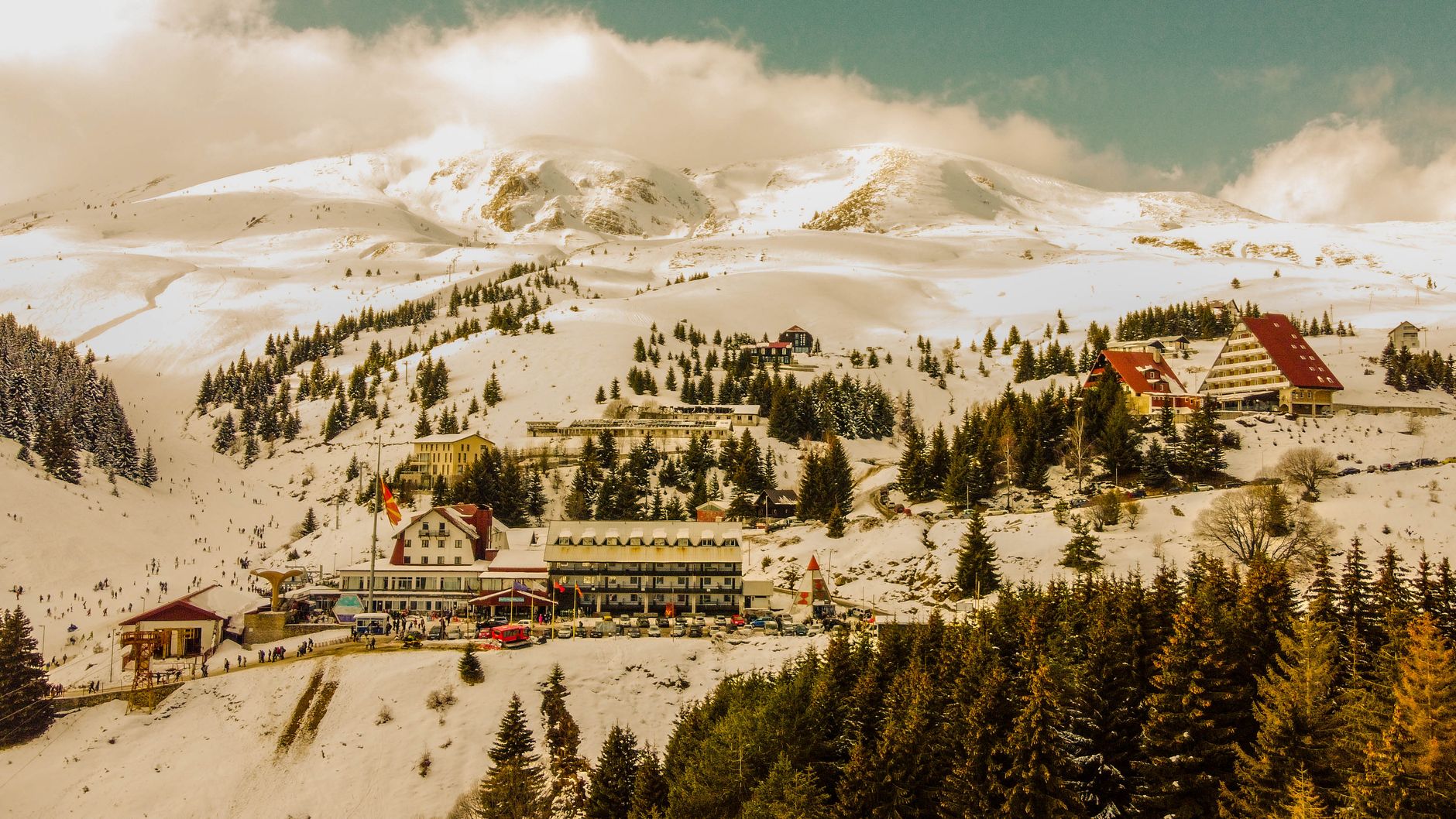
Skiing in Japan is a renowned winter activity, attracting enthusiasts due to its exceptional powder snow and picturesque landscapes. However, before planning a ski trip, many travelers wonder about the costs involved. Understanding whether skiing in Japan is expensive requires examining various factors including lift ticket prices, accommodation options, transportation, and dining.
This guide aims to offer a comprehensive view of the costs associated with skiing in Japan and assist you in planning your winter adventure within a budget.
Is Skiing In Japan Expensive?
Skiing in Japan can be considered expensive compared to some other ski destinations, but costs vary widely based on factors like location, season, and personal spending choices. Budget-conscious travelers can still find options that fit their financial plans.
Understanding the Cost Structure of Skiing in Japan
When evaluating the overall expense of skiing in Japan, several categories should be considered:
- Lift Tickets
- Accommodation
- Transportation
- Dining
- Equipment Rental
1. Lift Tickets
The cost of lift tickets is a significant part of skiing expenses. Generally, daily lift tickets range from ¥4,000 ($30) to ¥8,000 ($60), depending on the ski resort and time of year. As a rough guide:
- Niseko: ¥6,200 to ¥7,900 ($45 to $58) per day
- Hakuba: ¥5,800 to ¥7,400 ($42 to $54) per day
- Nozawa Onsen: ¥5,000 to ¥6,500 ($36 to $48) per day
Consider multi-day passes, which can provide a discount. Some resorts also offer beginner and family packages, making skiing more affordable for groups.
2. Accommodation
Accommodation costs can vary significantly based on the resort’s proximity to ski lifts and the type of lodging chosen. Options include:
- Luxury Hotels: ¥30,000 – ¥80,000 ($225 – $600) per night
- Mid-Range Hotels: ¥15,000 – ¥30,000 ($110 – $225) per night
- Budget Lodgings: ¥5,000 – ¥10,000 ($36 – $75) per night
A safe bet for budget travelers is to book hostels or guesthouses, particularly in less tourist-heavy areas. Staying in a nearby town instead of at the resort can also cut costs.
3. Transportation
Getting to ski resorts and navigating around can add up. The cost will vary depending on your choice of transport:
- From Tokyo to Niseko (airfare plus transfer): ¥20,000 – ¥40,000 ($150 – $300) round trip
- From Tokyo to Hakuba (via train or bus): ¥10,000 – ¥15,000 ($75 – $110) one way
Public transportation is usually efficient and cost-effective. Japan’s extensive rail network, including the famous Shinkansen (bullet train), is a great option. Consider purchasing a JR Pass if planning to explore multiple regions aside from skiing.
4. Dining
Food costs can also affect the overall expense of your ski trip. Options range from high-end restaurants to budget eats:
- High-end dining: ¥5,000 – ¥15,000 ($36 – $110) per meal
- Mid-range restaurants: ¥1,500 – ¥4,000 ($11 – $30) per meal
- Convenience stores or inexpensive eateries: ¥500 – ¥1,500 ($4 – $11) per meal
For a truly immersive experience, try traditional Japanese food like ramen, sushi, and kaiseki (multi-course meals) after a day on the slopes.
5. Equipment Rental
If you don’t own skiing equipment, plan for rental costs, which can vary widely based on quality:
- Ski/board rental: ¥3,000 – ¥8,000 ($22 – $58) per day
- Clothing rental (jackets, pants): ¥2,000 – ¥4,000 ($15 – $30) per day
It’s often cheaper to rent for multiple days or find package deals.
Best Ski Resorts in Japan
Several ski resorts across Japan offer unique experiences, varying costs, and features:
Niseko
Niseko, located in Hokkaido, is one of the most famous ski resorts known for its incredible powder snow. It caters to all skill levels. The resort offers a vibrant après-ski scene and numerous dining options.
Hakuba Valley
Hakuba, located in the Japanese Alps, hosted the 1998 Winter Olympics. It boasts multiple resorts connected by a bus system, making it convenient for skiers looking to explore various slopes.
Nozawa Onsen
Nozawa Onsen is famed for its traditional onsen (hot springs), making it ideal for those wanting to relax after a long day of skiing. The resort features charming village streets and many affordable lodging options.
When to Visit
The ski season in Japan generally runs from mid-December to early May. The best time to ski is typically between January and February when the powder is at its finest. However, consider the following seasonal pros and cons:
- Peak Season (January-February): Most consistent snowfall but higher prices.
- Mid-Season (December & Early March): Lower prices, but snow conditions can vary.
- Late Season (April): Warm weather, slushy snow, but fewer crowds and discounted prices.
Tips for Budget-Friendly Skiing in Japan
There are numerous ways to make your skiing trip more budget-friendly:
- Book Early: Secure better rates for lift tickets and accommodations.
- Travel Off-Peak: Try skiing mid-week or during off-peak times for savings.
- Group Discounts: Look for group pricing on ski packages.
- Stay Flexible: Keeping your plans flexible may allow you to take advantage of last-minute deals.
Accessibility Considerations
Japan is becoming increasingly accommodating for disabled travelers. Many ski resorts have facilities and services designed to assist those with mobility issues. However, prior arrangements may be necessary, and it’s wise to confirm the availability of such services before your trip.
Family Ski Trips
If planning a family ski trip, you’ll want to consider family-oriented resorts that provide kid-friendly amenities, skiing lessons, and childcare services. Resorts like Niseko and Hakuba offer extensive programs tailored for kids of all ages, ensuring a fun experience for everyone.
Solo Travel Considerations
Japan is a fantastic destination for solo travelers. Safety is a significant advantage, and navigating ski resorts is generally straightforward. It’s beneficial to join group lessons or tours to meet fellow travelers, which will enhance your experience.
Conclusion
In summary, skiing in Japan can be expensive, but there is a range of options to suit various budgets. Lift tickets, accommodation, transportation, and dining can become manageable with proper planning and research. By taking advantage of discounts and choosing the right time to visit, you can experience the breathtaking slopes without breaking the bank. Prepare well to enjoy the remarkable skiing Japan has to offer.
For more travel insights, check our guides on the must-do experiences in Japan.