
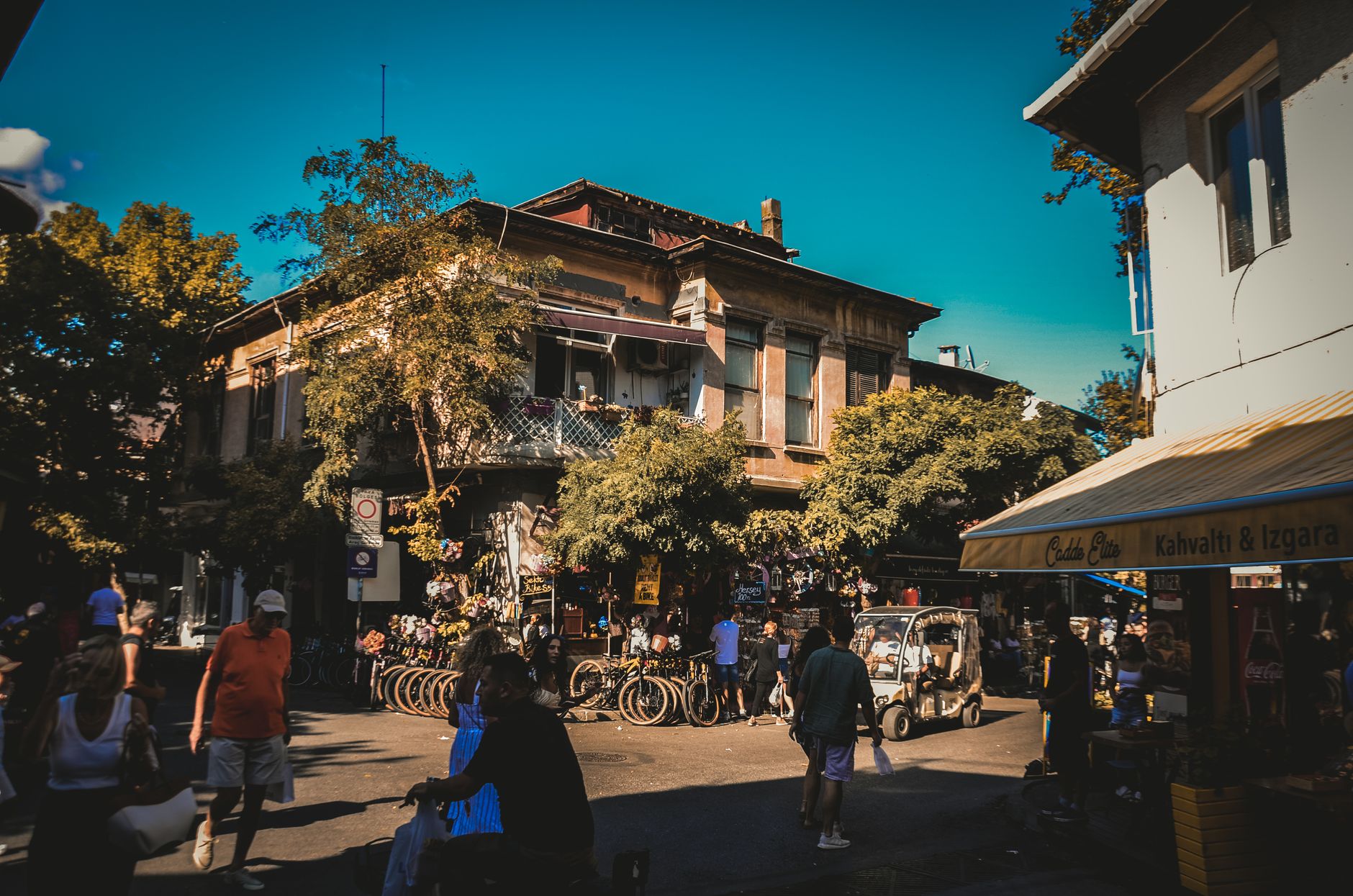
New York City is often regarded as one of the most vibrant cities in the world, attracting millions of visitors each year. With iconic landmarks, rich cultural offerings, and a bustling atmosphere, it’s no wonder that travelers flock to the Big Apple. However, questions about safety and whether New York City is dangerous frequently arise. This guide outlines the current safety landscape and presents practical advice for a safe visit.
Understanding the dynamics of safety in New York City is essential for both first-time visitors and seasoned travelers alike. This article provides detailed insights into crime rates, safe and risky areas, tips for staying safe, and factors to consider when planning your trip. The goal is to equip you with the knowledge needed to navigate the city confidently.
Is New York City Dangerous?
New York City is generally safe for tourists, with millions visiting each year without incident. While crime does exist, much of it is concentrated in specific areas, and many neighborhoods are very safe. Awareness and proper precautions can help ensure a secure travel experience.
Crime Statistics and Safety Overview
To evaluate the safety of New York City, it is essential to look at the crime statistics. Over the past two decades, crime rates in major cities, including New York, have significantly declined. The New York Police Department (NYPD) reports that property crimes and violent incidents are at some of the lowest levels in recent history.
However, like any large metropolitan area, certain types of crime, such as petty theft, pickpocketing, and vehicle break-ins, do occur. Most serious crimes mainly happen in certain neighborhoods, often away from tourist hotspots. Understanding where these areas are can help you plan safer routes during your stay.
Trends in Crime
Recent trends indicate that overall crime rates have continued to decline in New York City, but some fluctuations occur based on situational factors. Variations in crime rates can also correlate with the time of year, specific events, and changes in local policing.
- Violent crimes: While still concerning, violent crime rates are lower than they were in the 1990s.
- Property crimes: Includes theft and burglary; these remain a significant percentage of reported incidents but are declining.
- Public safety issues: Street harassment, scams, and minor theft incidents should be your primary focus.
Best and Worst Areas for Safety
Knowing which neighborhoods are the safest and which ones to avoid can make all the difference in your travel experience. Here’s a breakdown of some areas in New York City:
Safe Neighborhoods
- Manhattan: Areas like the Upper East Side, Upper West Side, and Midtown are generally very safe.
- Brooklyn: Neighborhoods such as Park Slope, Cobble Hill, and Brooklyn Heights are known for being family-friendly.
- Queens: Astoria and Forest Hills are popular for their vibrant communities and low crime rates.
Areas to Approach with Caution
- South Bronx: Some areas may experience high crime rates; travelers should remain vigilant.
- Certain parts of Harlem: While many parts are safe, some neighborhoods may experience higher crime rates.
- Parts of Brooklyn: Certain areas like Brownsville and East New York have higher crime rates; it’s advisable to avoid them after dark.
Transportation and Safety
The city’s vast transportation network makes it easy to navigate, but it’s also essential to remain cautious while using public transport.
Subway Safety Tips
- Stay in well-lit areas of the station and on well-populated platforms.
- Keep your belongings close and be aware of your surroundings.
- Travel during peak hours if possible, as trains are typically busier and safer.
Taxi and Ridesharing
Ridesharing apps like Uber and Lyft offer convenience, but make sure to:
- Verify the driver’s identity and the car’s details before getting in.
- Share your ride details with a friend or family member.
Biking and Walking
New York City is also bike-friendly, but cyclists should focus on safety:
- Use bike lanes where available and obey traffic signals.
- For walking, stay in well-lit areas and avoid shortcuts through poorly lit parks.
Tips for Staying Safe in New York City
Implementing safety precautions can help avoid dangerous situations and ensure a pleasant stay. Here are essential tips for tourists:
- Stay Alert: Keep an eye on your surroundings and remain vigilant, especially in crowded areas.
- Secure Your Belongings: Use anti-theft bags and be cautious with your phone and valuables in public places.
- Trust Your Instincts: If a situation feels off, leave and seek help if necessary.
- Know Emergency Numbers: Familiarize yourself with local emergency numbers (911 in the US for emergencies).
- Travel in Groups: Whenever possible, stick with friends or family when exploring at night.
When to Visit New York City
The safest times to visit New York City may also vary by season. Here’s a brief overview:
Spring (March to May)
This is a popular time for visitors, with pleasant weather and many events. Crime rates often dip during these months, making it a good time to explore the city.
Summer (June to August)
Summer brings tourists, festivals, and crowded streets. Be especially vigilant in busy tourist areas. However, this is also a time when daylight lasts longer, providing a safer experience for outdoor activities.
Fall (September to November)
With the summer crowds dwindling, fall is another excellent time to visit. The weather is cool, and the city’s foliage is beautiful. Crime rates remain consistent with late summer.
Winter (December to February)
Winter in NYC sights such as Ice Skating and holiday festivities are stunning. While major attractions are busy, some visitors feel less safe due to fewer people on the streets at night. Take caution when walking alone after dark.
Length of Stay
A helpful guideline for first-time visitors is to plan for at least four to five days to explore major attractions safely and at a comfortable pace. This provides a good balance of sightseeing while allowing time to assess your surroundings and enjoy the bustling atmosphere. If you wish to engage in various neighborhoods, consider extending your trip to a week or more for a well-rounded experience.
Budget Considerations
Your budget can affect the nature of your trip, including accommodation choices and dining options. Here’s how to balance safety with financial planning:
Accommodation
Stick to well-reviewed hotels or rentals in safe neighborhoods. Areas like Midtown Manhattan, the Upper West Side, and parts of Brooklyn are ideal for bridges between safety and cost.
Dining
Street food can be both delicious and economical. However, be mindful of cleanliness and quality. Restaurant ratings can guide you towards safe dining choices.
Attractions
- Public attractions such as parks can provide free entertainment while contributing to safety.
- Consider discount passes for major attractions that also cover transportation.
Accessibility in New York City
New York City is making strides in becoming more accessible, although challenges still exist. Subways are not fully wheelchair accessible, but buses generally are. Many attractions offer accessibility options. Always check individual venue websites for specific accommodations and facilities available.
Traveling with Family or Solo
Travel dynamics can vary greatly depending on whether you’re with family or exploring solo. Here’s how to navigate safety in either case:
Traveling with Family
- Choose family-friendly attractions and accommodations.
- Involve children in safety discussions and tips for maintaining personal awareness.
Traveling Solo
- Stick to well-populated areas, especially after dark.
- Blend in with locals to avoid looking like a tourist.
Conclusion
While New York City does have its share of crime, being informed and taking basic precautions can mitigate risks for tourists. As with any travel destination, understanding the environment will enhance your experience. Enjoy the vibrant culture and iconic sites that make New York City a fantastic destination, while remaining safety-conscious throughout your journey.
Explore related destination guides and travel-planning articles to help with your travel itinerary. You can learn more about safety in other destinations like Downtown Milwaukee and get insights on Reynosa, Mexico. Safe travels!