
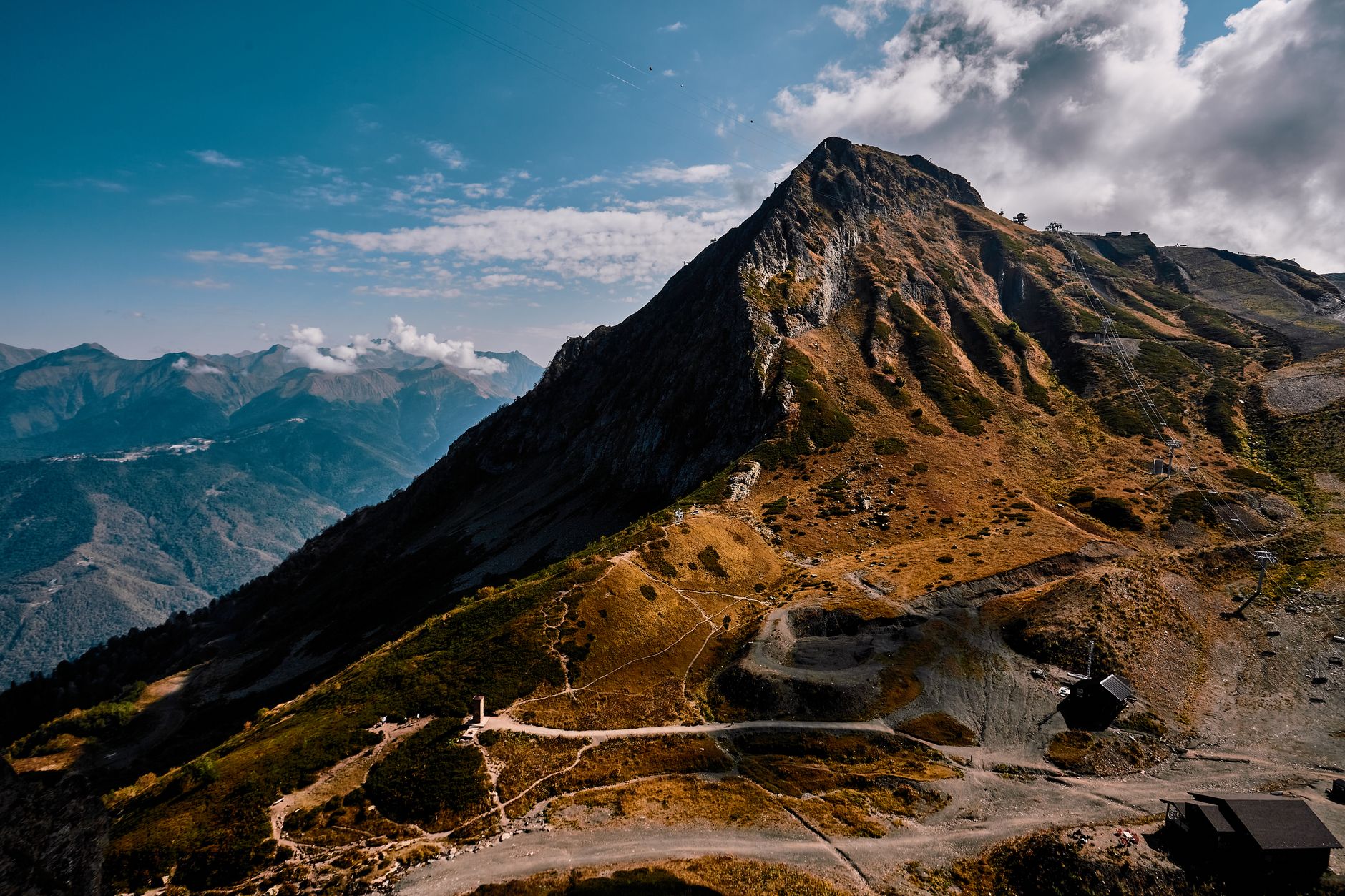
Asheville, North Carolina, is a vibrant city nestled in the Blue Ridge Mountains, known for its rich arts scene and historic architecture. Whether you’re planning a road trip, visiting from nearby cities, or looking for travel options to this Appalachian gem, understanding how far Asheville is from major locations can help streamline your journey.
This guide will provide practical travel information to make planning your trip to Asheville easier, covering the distance from various major cities, transportation options, and activities in and around the area.
How Far Is Asheville North Carolina?
Asheville, North Carolina, is approximately 200 miles from Charlotte, about 100 miles from Greenville, South Carolina, and around 250 miles from Atlanta, Georgia. These distances can vary depending on your exact starting point and chosen route.
Getting to Asheville
When considering how to get to Asheville, there are several transportation options available, including driving, flying, and accessing public transport. Here’s a detailed guide to help you choose the best method for your travel needs.
Driving Distances to Asheville
Many travelers choose to drive to Asheville, given its scenic highways and ease of access. Here are some key driving distances from nearby cities:
- From Charlotte, NC: Approximately 200 miles, around 2.5 to 3 hours of driving.
- From Atlanta, GA: Roughly 250 miles, taking about 3.5 to 4 hours.
- From Greenville, SC: Close to 100 miles, or about a 1.5 to 2-hour drive.
- From Raleigh, NC: Approximately 250 miles, around 4 hours by car.
- From Knoxville, TN: About 120 miles, taking roughly 2 hours.
Keep in mind that travel times may fluctuate with traffic conditions, particularly during peak tourist seasons and weekends.
Flying to Asheville
If you prefer air travel, Asheville Regional Airport (AVL) serves both domestic and some international flights. You can find direct flights from several major airports, including:
- Charlotte Douglas International Airport (CLT): Around a 45-minute flight.
- Atlanta Hartsfield-Jackson International Airport (ATL): About an hour flight.
- Washington D.C. (DCA and IAD): Approximately 1.5-hour flights available.
Upon landing, you can rent a car or take a shuttle service to downtown Asheville, which is conveniently located only about 20 minutes from the airport.
Public Transportation Options
If you’re coming from another part of North Carolina or neighboring states, you might consider bus services like Greyhound or Megabus. Both services offer routes to Asheville but will generally involve longer travel times and possibly transfers. Local public transportation is available in Asheville as well, with the Asheville Rides Transit system providing options to get around the city once you arrive.
Regions Worth Exploring in Asheville
Asheville is not only known for its beautiful landscapes but also its vibrant neighborhoods, each offering unique experiences. Here are some must-visit areas and attractions worth exploring:
Downtown Asheville
Downtown Asheville is a lively area filled with art galleries, boutiques, and restaurants. Don’t miss the iconic Asheville Art Museum and the historic Thomas Wolfe Memorial. The packed atmosphere makes it ideal for those looking to immerse themselves in local culture.
The Biltmore Estate
A significant draw for visitors is the Biltmore Estate, America’s largest privately-owned home. Set on an expansive property of over 8,000 acres, the estate features gardens, trails, a winery, and winery tours that are sure to impress. Plan to spend a whole day here to make the most of your visit.
The River Arts District
This neighborhood is a hub for artists, with studios housed in former industrial buildings. Visitors can take a self-guided tour, meet local artists, attend workshops, or even purchase unique works of art directly from the creators themselves.
Blue Ridge Parkway
No trip to Asheville is complete without a drive along the Blue Ridge Parkway. Known for its breathtaking views, especially during fall foliage season, this scenic route offers numerous overlooks, hiking trails, and picnic spots for travelers eager to explore the great outdoors.
Activities and Experiences in Asheville
Asheville is brimming with activities that cater to a variety of interests, from outdoor adventures to cultural experiences.
Outdoor Activities
The natural beauty surrounding Asheville provides ample opportunities for outdoor enthusiasts. Popular activities include:
- Hiking: Explore trails in the Pisgah National Forest or the Great Smoky Mountains National Park. Trails range from easy to strenuous, making them accessible to all skill levels.
- Mountain Biking: As one of the premier mountain biking destinations, Asheville offers numerous trails, including those in the Bent Creek Experimental Forest.
- Water Activities: The French Broad River is perfect for kayaking, tubing, and fishing. Guided river rafting trips are also available for those seeking an adrenaline rush.
Cultural Experiences
Asheville’s cultural scene is not to be missed. Check out:
- Live Music: The city has a vibrant music scene featuring everything from bluegrass to rock, with venues like The Orange Peel hosting acts throughout the year.
- Local Craft Breweries: Known as “Beer City USA,” Asheville boasts over 30 craft breweries. Take a brewery tour or visit local hotspots like Wicked Weed and Sierra Nevada.
- Food Scene: Indulge in Asheville’s culinary offerings, from farm-to-table restaurants to food trucks offering diverse cuisines, ensuring there’s something for every palate.
Where to Stay in Asheville
Accommodations in Asheville range widely, from luxurious hotels to budget-friendly options. Here are some recommendations based on traveler type:
Luxury Hotels
For those seeking a lavish experience, consider:
- The Omni Grove Park Inn: Renowned for its stunning views and spa services, this historic hotel is a local favorite.
- Biltmore Inn: Located on the Biltmore Estate, this upscale lodging offers unparalleled luxury and convenience.
Mid-Range Hotels
If you’re looking for comfort without breaking the bank, check out:
- The Haywood Park Hotel: Located in downtown Asheville, this charming hotel boasts comfortable rooms with a prime location to explore the city.
- AC Hotel Asheville Downtown: A modern hotel equipped with amenities and proximity to key attractions.
Budget-Friendly Accommodations
Travelers on a budget can consider:
- Hostels: The Asheville Hostel offers a fun atmosphere and is very economical.
- Motels: Chains like Quality Inn and Super 8 provide basic amenities at affordable rates.
Best Time to Visit Asheville
The best time to visit Asheville depends on your preferences and the type of activities you wish to pursue:
Spring (March to May)
Spring brings blooming flowers and mild temperatures, making it great for hiking and visiting parks. It’s also an excellent time for festivals.
Summer (June to August)
Summer is perfect for outdoor activities, but it can get humid. This season sees plenty of tourists, so if you dislike crowds, consider visiting during early summer.
Fall (September to November)
Fall is renowned for its stunning foliage. The weather is crisp, making it ideal for exploring the Blue Ridge Parkway and various hiking trails. Remember to book accommodations well in advance, as this is peak tourist season.
Winter (December to February)
Winter is the quietest time in Asheville. If you enjoy winter sports or holiday festivities, this season may appeal to you. The city also hosts festive events that can enhance your visit.
Length of Stay
A recommended length of stay in Asheville is around three to four days. This timeframe allows visitors to enjoy the main attractions, explore the outdoor activities, and revel in the culinary scene without feeling rushed.
Budget Considerations
When planning your trip to Asheville, keep the following budget considerations in mind:
- Accommodation: Costs vary significantly; expect to pay anywhere from $70 to over $300 per night depending on your choice of lodging.
- Dining: Meals can range from affordable food trucks to upscale restaurants. Budget approximately $15 to $50 per person for meals.
- Activities: Many outdoor activities like hiking are free, but entrance fees to places like the Biltmore Estate may cost around $60—a worthwhile investment for many.
Travel Safety and Tips
As you prepare for your trip to Asheville, consider these travel safety tips:
- Weather Awareness: Depending on the season, be aware that weather conditions can change rapidly in the mountains. Dress in layers and be prepared for rain, especially in spring and summer.
- Secure Your Belongings: Whether hiking or visiting downtown, remain vigilant about personal belongings and avoid leaving them in your vehicle.
- Wildlife Precautions: As you explore natural areas, remember to keep a safe distance from wildlife and follow park regulations to protect yourself and animals.
With these tips in mind, you will be well-prepared for an unforgettable visit to Asheville, North Carolina.
To summarize, whether you are exploring Asheville for its breathtaking natural beauty, vibrant arts scene, or culinary delights, understanding distances and travel methods will help ensure your trip is enjoyable and seamless. For your next travel planning endeavor, be sure to explore related destination guides, including how far is Gulfport from Biloxi and how far is Connecticut from New Jersey.