
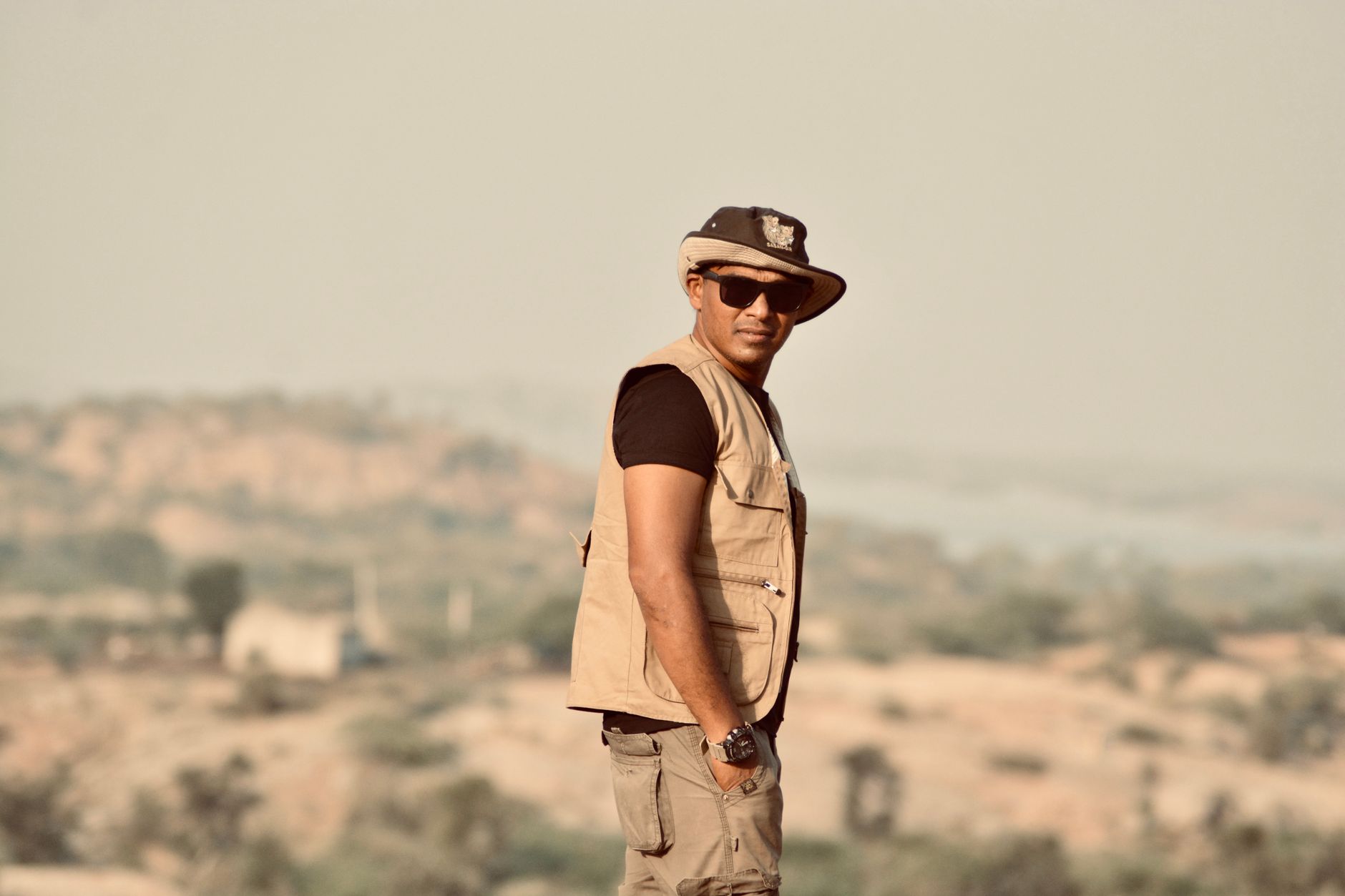
When planning a safari in South Africa, dressing appropriately is crucial for a comfortable and enjoyable experience. The right attire ensures you blend in with the environment, stay protected from the elements, and optimize your chances of spotting wildlife. This guide will provide insights on what to wear, taking into account weather, activities, and the local culture.
From choosing the right fabrics to understanding the significance of color and style, every detail is important for your safari adventure. Equip yourself with the knowledge you’ll need to dress wisely and enhance your safari experience.
What To Wear On A Safari In South Africa?
On a safari in South Africa, you should wear lightweight, breathable clothing that is loose-fitting and neutral-colored. It’s essential to consider the weather, terrain, and potential insect encounters while making your wardrobe choices.
Understanding the Environment
South Africa is known for its diverse landscapes, from savannas to bushveld and coastal areas. The weather can vary significantly between regions and times of day, so choosing the right attire becomes essential for comfort.
Climate Considerations
Safari seasons in South Africa generally fall into two main categories: the dry season, which runs from May to September, and the wet season, from October to April. Each season comes with its clothing requirements.
- Dry Season (May to September): Expect cooler temperatures, particularly in the mornings and evenings. Warm layers, including a jacket or fleece, are recommended. Daytime can be comfortable but may require lightweight, breathable clothing.
- Wet Season (October to April): This season is hotter and more humid. Lightweight, moisture-wicking fabrics are ideal, along with sun protection. Afternoon thunderstorms are common, so lightweight rain gear may also be necessary.
Understanding Local Wildlife
It is vital to dress in a way that minimizes your impact on wildlife. Bright colors can scare animals away, so opting for neutral and muted tones like beige, olive green, and brown is advisable.
Packing List for Safari Clothing
When packing for your safari, you can consider a variety of clothing items that will enhance both your comfort and experience. Below is a packing list to help you prepare.
Essential Clothing Items
- Lightweight, Breathable Shirts: Long-sleeved shirts made from cotton or moisture-wicking fabric can protect you from sunburn and insect bites.
- Trousers and Shorts: Convertible trousers (that can turn into shorts) are a practical option. Choose breathable, lightweight fabric.
- Light Jacket or Fleece: Essential for early morning and evening game drives when temperatures drop.
- Hat: A wide-brimmed hat can protect your face and neck from the sun.
- Comfortable Footwear: Sturdy hiking boots or closed-toe shoes designed for walking are crucial. Ensure they are well broken-in to avoid blisters.
- Socks: Thick, breathable socks that can stand up to rugged terrain will help keep your feet comfortable.
- Insect Repellent Clothing: Consider shirts or trousers treated with insect repellent for added protection.
- Swimwear: If your safari includes stays at lodges with pools or visits to coastal areas, don’t forget your swimwear.
Accessories That Make a Difference
- Sunglasses: Choose polarized sunglasses to reduce glare and protect your eyes from UV rays.
- Lightweight Scarf or Buff: These can be useful for protecting against dust and sun exposure.
- Binoculars: Essential for wildlife viewing, they are also a practical accessory.
- A Backpack or Daypack: To carry your essentials, including water, snacks, and a camera.
Season-Specific Clothing Recommendations
While the basic recommendations remain consistent, seasonal changes do affect what you should prioritize in your packing list.
What to Wear During the Dry Season
During the dry season, mornings can be chilly, and layering is key. Consider these season-specific recommendations:
- Base Layer: A thermal or moisture-wicking long-sleeve shirt is perfect for the morning chill.
- Mid Layer: A light fleece or sweater to keep you warm during game drives.
- Outer Layer: A waterproof or windproof jacket for unexpected weather changes.
What to Wear During the Wet Season
The wet season is hotter and demands attire that allows for ventilation and hydration. Here are some recommendations:
- Quick-Dry Fabrics: Opt for shirts and trousers that will dry quickly after rain.
- Sun Protection: Lightweight long-sleeve shirts can provide protection from both the sun and insects.
- Rain Gear: A light, waterproof jacket to shield against rain, which can sometimes be heavy.
Footwear Choices for Maximum Comfort
Your choice of footwear plays a crucial role in your comfort during a safari. You will likely take part in a variety of activities, including game drives and walks.
Recommended Footwear Styles
Here are a few footwear options that are suitable for a safari:
- Hiking Boots: Opt for sturdy, well-ventilated hiking boots that provide ankle support.
- Sneakers: Comfortable but breathable sneakers can be appropriate for leisurely activities.
- Sandals: If you plan to spend time at your lodge, a pair of sandals can be helpful for relaxation.
Safari Etiquette and Cultural Considerations
Besides comfort and practicality, it’s important to be respectful of local customs and cultures. Dress codes can vary significantly in South Africa.
Dress Modestly
In many areas, especially when visiting local communities, dressing modestly is encouraged. Lightweight clothing should not be revealing. Consider wearing items that are knee-length or longer.
Colors and Styles to Avoid
- Bright Colors: Avoid reds, yellows, and whites as they can attract unwanted attention from insects and wildlife.
- Camouflage: Wearing camo may be viewed unfavorably as it can be associated with military attire.
What Not to Wear on Safari
A few items should be avoided to ensure your comfort and safety while on safari.
- Jeans: Denim can be too heavy and take a long time to dry if it gets wet.
- Open-Toed Shoes: Sandals or flip-flops are not recommended, especially during game drives.
- Heavy Fabrics: Avoid wool or other heavy materials that don’t dry quickly or wick moisture.
Final Tips for Safari Attire
To ensure you have everything you need, consider these last-minute tips while preparing for your South African safari.
- Check Your Itinerary: Some lodges and safaris may have specific dress codes. Be sure to read any guidelines provided by your operator.
- Stay Hydrated: While this isn’t directly related to clothing, remember to drink plenty of water throughout your safari excursions.
- Pack Smart: Roll your clothes to save space and minimize wrinkles.
Conclusion and Next Steps
Choosing the right clothing for your safari in South Africa plays a pivotal role in maximizing comfort and enjoyment. Focus on lightweight, breathable fabrics in neutral colors and ensure you have layered options for temperature fluctuations. Don’t forget to respect local customs.
Now that you know what to wear, take the next step in planning your safari by ensuring your travel documents are in order, booking your accommodation, and arranging transportation. Exploring South Africa’s wildlife can be an awe-inspiring adventure, and being well-prepared will only enhance your experience.
For more travel advice, explore guides on related topics such as accommodation options in South Africa, the best time to visit different regions, and cultural etiquette when traveling.