
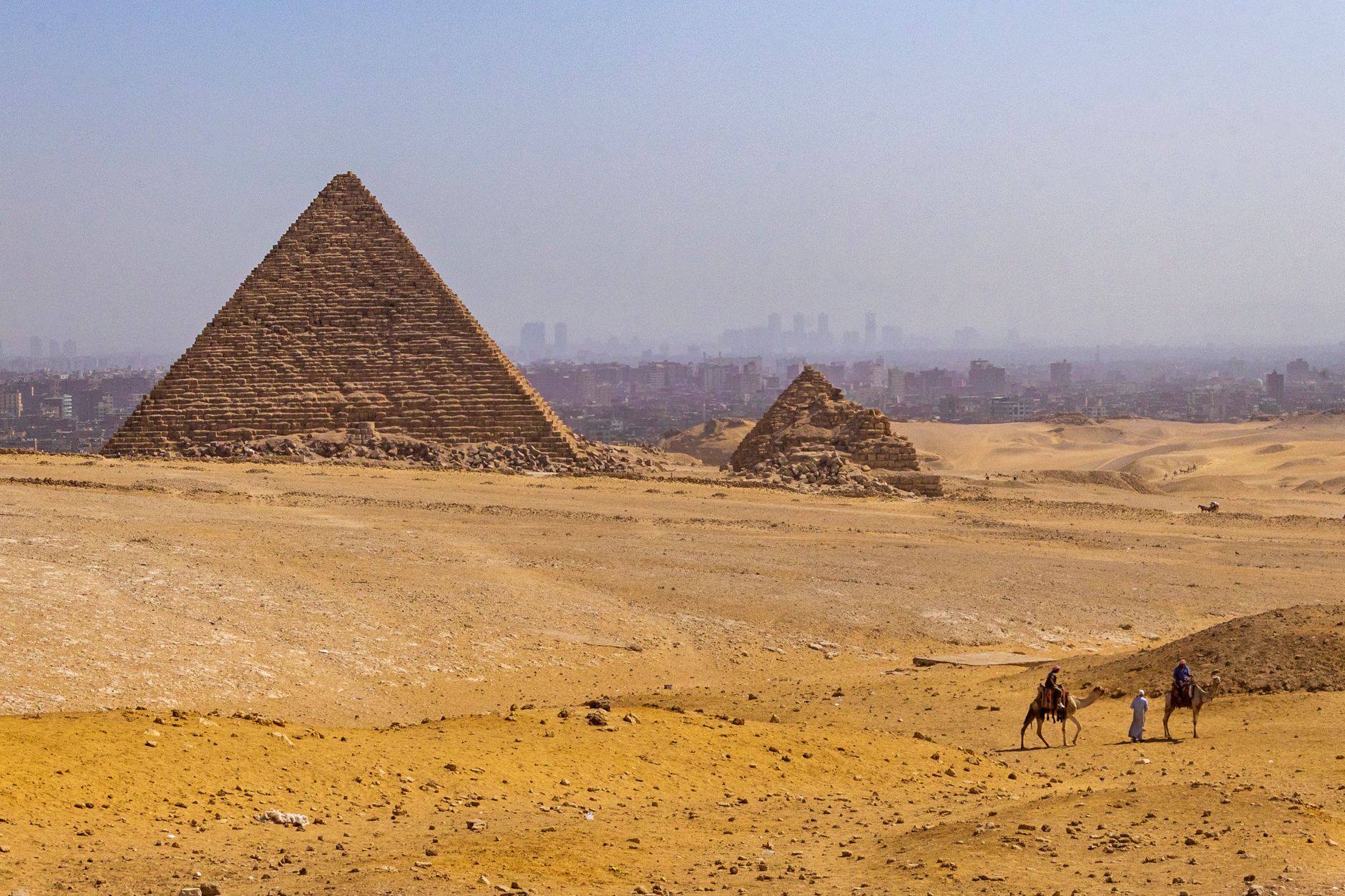
The allure of Egypt, with its ancient wonders, vibrant culture, and stunning landscapes, makes it an attractive destination for travelers. However, before planning your journey, it’s crucial to understand the costs involved to ensure a smooth and enjoyable trip. This guide will break down the various expenses associated with traveling to Egypt, providing you with useful insights for effective budgeting.
From flights to accommodation, food, and activities, knowing how much a trip to Egypt might cost will help you make informed decisions. Whether you are traveling solo, with family, or as part of a group, this comprehensive guide is designed to assist in planning your unforgettable Egyptian adventure.
How Much Is A Trip To Egypt?
The cost of a trip to Egypt can vary widely based on a variety of factors. On average, a week-long trip might cost between $800 to $1,500 per person, including flights, accommodation, meals, and activities. However, the exact amount will depend on your travel style, chosen activities, and overall preferences.
Flight Costs
Flights are typically one of the largest expenses when traveling to Egypt. Costs vary significantly based on your departure location, time of year, and how early you book. Here’s a breakdown of what to expect:
- From North America: Expect to pay anywhere from $600 to $1,200 for a round-trip ticket, with higher prices during peak season (December to February).
- From Europe: Flights can range from $100 to $500, depending on the country and airline.
- From Asia: Costs may vary widely but generally fall between $400 to $900 based on the city of departure and season.
- Booking Tips: To secure the best rates, consider booking at least three months in advance. Utilize fare comparison websites and check for possible layovers that may reduce costs.
Accommodation Options
Egypt has accommodation options that cater to all budgets, from luxury hotels to budget hostels. Here’s a general price guide:
- Luxury Hotels: Prices range from $100 to $300 per night. Expect to find high-quality services and amenities in major cities like Cairo and Luxor.
- Mid-Range Hotels: Typically cost between $50 to $100 per night, offering comfortable stays without breaking the bank.
- Budget Accommodation: Dormitory beds in hostels start at around $10, while private rooms can be as low as $20. Consider cities like Dahab or Siwa for unique budget stays.
- Booking Recommendations: Websites like Booking.com or Airbnb can help you find suitable options. Make sure to read reviews for better insights.
Transportation Within Egypt
Getting around Egypt can be affordable and convenient. Here are the main transportation options:
- Buses: Long-distance buses between cities cost approximately $10 to $20, while local buses are quite inexpensive.
- Trains: A comfortable way to travel, with fares ranging from $5 to $50 depending on the distance and class.
- Cairo Metro: Cheap and efficient, tickets cost about $0.50 each.
- Domestic Flights: If you want to cover long distances quickly, expect to pay around $50 to $150 for internal flights.
- Taxis and Ride-Sharing: Regular taxis have metered fares, while ride-sharing apps like Uber are popular in Cairo, with average rides costing between $2 to $10.
Food and Drink Costs
Egyptian cuisine offers a variety of delicious options, often at very affordable prices. Here’s what you should expect:
- Street Food: A popular and budget-friendly choice, meals can cost as little as $1 to $3. Try local favorites like falafel and koshari.
- Casual Restaurants: Meals at inexpensive restaurants will generally cost between $5 to $15.
- Mid-Range Dining: A three-course meal for two may set you back around $25 to $60 in a decent restaurant.
- Beverages: Bottled water is around $0.50, while locally-produced soft drinks are roughly $0.75.
Attractions and Activities
Egypt is rich in historical and cultural attractions. Here’s a look at entrance fees and general activity costs:
- Pyramids of Giza: Entrance fees cost about $10, with additional charges for special access.
- Luxor Temple and Karnak Temple: Average fees are around $12 to $15 each.
- Aswan attractions: A visit to Abu Simbel can cost between $20 to $25, including transportation.
- Guided Tours: Full-day guided tours range from $50 to $100, providing insights and ease of transportation.
Suggested Itinerary for a Week in Egypt
A well-planned itinerary allows you to experience Egypt’s core attractions without feeling rushed. Below is a suggested 7-day itinerary:
- Day 1: Cairo
- Arrive in Cairo, settle into your accommodation.
- Explore the Egyptian Museum in Tahrir Square.
- Day 2: Giza
- Visit the Pyramids of Giza and the Sphinx.
- Take a camel ride for a different view of the Great Pyramid.
- Day 3: Luxor
- Travel to Luxor via train or internal flight.
- Explore the Karnak Temple and Luxor Temple in the evening.
- Day 4: Valley of the Kings
- Visit the Valley of the Kings and explore famous tombs.
- Check out the Temple of Hatshepsut.
- Day 5: Aswan
- Travel to Aswan, visit the Philae Temple.
- Enjoy a relaxing felucca ride on the Nile River.
- Day 6: Abu Simbel
- Take a day trip to Abu Simbel to see the stunning temples.
- Return to Aswan for the night.
- Day 7: Cairo
- Return to Cairo, consider a visit to Islamic Cairo.
- Shop for souvenirs in the Khan El Khalili bazaar before departure.
Budget Considerations
When planning your budget for a trip to Egypt, keep in mind the following tips:
- Currency: The local currency is the Egyptian Pound (EGP), and it’s advisable to exchange some cash for small purchases.
- Travel Insurance: Consider purchasing travel insurance for peace of mind and potential medical needs during your trip.
- Contingency Fund: Set aside a small fund for unexpected expenses or local experiences.
- Group Discounts: If traveling with a group, look for discounts on tours and transportation.
Best Time to Visit Egypt
Weather significantly influences travel in Egypt. The best time to visit is typically between October and April when the temperatures are milder. Here’s what to consider:
- Winter (December to February): This peak season offers pleasant temperatures but can mean higher costs.
- Spring (March to May): A good choice for moderate temperatures and fewer tourists. Prices may also be lower.
- Summer (June to August): Extremely hot months, particularly in Upper Egypt. If you opt to travel during this time, seek out cool indoor activities.
Safety and Travel Tips
Travelers should remain aware of their surroundings and follow local advice. Here are some essential safety tips:
- Stay Hydrated: The Egyptian heat can be overwhelming; drink plenty of water.
- Respect Local Customs: Dress modestly, particularly in religious sites.
- Keep Valuables Secure: Use hotel safes and maintain awareness of your belongings.
- Travel Advisory Checks: Always review official travel advisories prior to your trip for updated information.
Accessibility Considerations
Egypt’s infrastructure is improving, but accessibility can still be a challenge in some areas. Consider these points:
- Transportation: While taxis are available, not all vehicles accommodate wheelchairs. Check with your accommodation for transport options.
- Attractions: Major sites like the Pyramids offer some level of accessibility, but it’s best to verify in advance regarding potential obstacles.
Conclusion and Next Steps
Overall, budgeting for a trip to Egypt involves understanding flight costs, accommodation choices, local transport, and daily expenses. Travelers can find affordable ways to experience the rich culture and history of this ancient civilization. Begin by setting your budget, deciding on travel dates, and planning your itinerary based on your interests.
For further exploration into travel essentials, consider checking out what souvenirs to buy in Egypt or budgeting insights for a trip to Korea.