
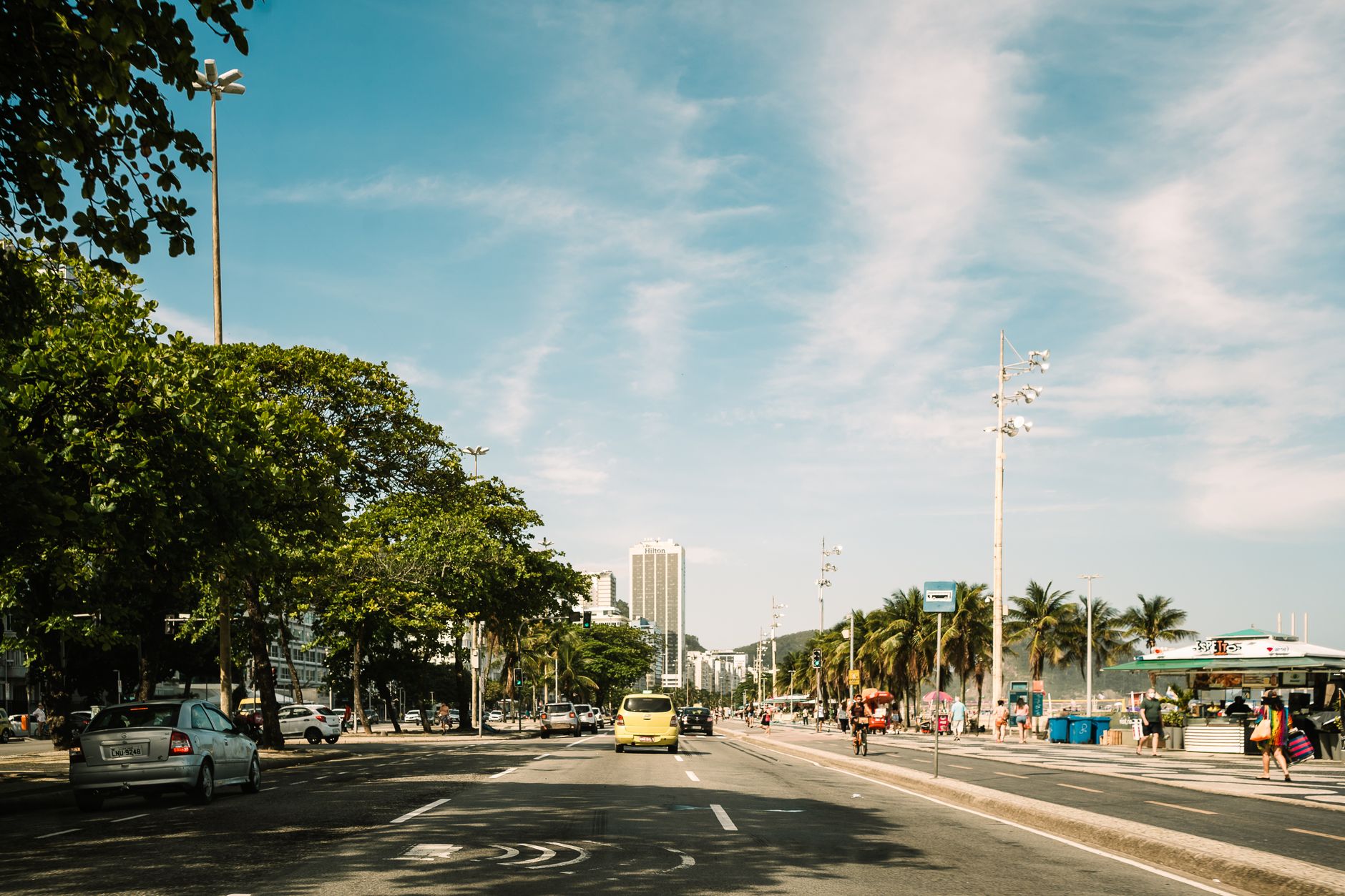
Mexico City is a bustling metropolis known for its rich culture, history, and delicious cuisine. Navigating through this vibrant city can be an enjoyable experience if you know your transportation options and tips for getting around. This guide will arm you with the necessary information to explore Mexico City efficiently.
From public transportation to taxis and rideshare options, this comprehensive article will help you find your way in one of the largest cities in the world. Whether you’re a first-time visitor or returning for another adventure, understanding how to get around is key to making the most of your trip.
How To Get Around In Mexico City?
Getting around in Mexico City is a combination of efficiency, affordability, and great accessibility. The city boasts an expansive public transportation network, including metro, buses, and an eco-friendly bike program. In addition to traditional taxis, rideshare apps can provide convenient options for travelers. This comprehensive look will help you understand all the available methods of transportation.
Public Transportation Overview
Mexico City offers a wide array of public transportation options that are affordable and efficient.
- Metro
- Buses
- Metrobús
- Light Rail (Tren Ligero)
- Ecobici
Metro
The Mexico City Metro is one of the most extensive in the world, offering quick access to numerous neighborhoods and attractions. With 12 lines and over 190 stations, it covers a vast area.
Tickets are inexpensive, typically costing about 5 MXN, and you can purchase them at vending machines located in each station. Be prepared for crowded trains during peak hours, which typically run from 7 AM to 9 AM and 5 PM to 8 PM on weekdays.
Buses
Alongside the metro, buses are a popular mode of transportation. You will find various routes that cover almost every part of the city. The bus fare is quite low, usually around 6 MXN, but make sure to have small denominations ready.
Keep an eye out for the color-coded buses; the red ones are part of a faster system called RTP (Red de Transporte de Pasajeros) and have designated lanes, ensuring quicker service.
Metrobús
The Metrobús is a bus rapid transit system with dedicated lanes that helps avoid traffic. It operates along main corridors in the city and can be a great way to traverse popular areas. Like the metro, the fare is also around 6 MXN. Ensure you have a prepaid card, which can be conveniently purchased at stations.
Light Rail (Tren Ligero)
The Tren Ligero operates in southern Mexico City, connecting the city with the beautiful Chapultepec Forest. It’s a scenic ride, particularly enjoyable for those who wish to explore the area’s parks and museums. Fares are around 8 MXN, and the service runs from 5:30 AM to 11 PM.
Ecobici
For those who prefer cycling, Mexico City offers an eco-friendly bike-sharing program called Ecobici. You can rent a bike from one of the many stations around the city. First-time users pay a nominal fee, plus a small charge for every hour of use, which makes this a budget-friendly option for travelers. Make sure to wear a helmet and abide by traffic rules while riding.
Using Taxis and Rideshares
Both taxis and rideshare options offer convenient ways to navigate the city, especially for those unfamiliar with the public transport system.
Taxis
Taxis are widely available and can be hailed on the streets or ordered via phone. When using a taxi, ensure you choose authorized cabs, indicated by a taxi sign and a working meter. Fares vary depending on the distance, but a ride across the city typically ranges between 50 to 200 MXN.
Rideshare Services
Rideshare services like Uber and Didi operate extensively in Mexico City. These platforms provide a convenient and generally safe alternative to traditional taxis. Fares are typically competitive, and the app allows you to track your journey, which adds an extra layer of comfort for travelers.
Walking and Neighborhood Exploration
Walking is an excellent way to explore Mexico City, especially in areas like Roma, Condesa, and Coyoacán, where charm and character abound. Many attractions are nearby each other, allowing you to experience the city’s vibrant culture at a leisurely pace.
Safety Considerations While Walking
Although walking can be enjoyable, it is important to stay vigilant. Stick to well-lit and busy streets, and avoid using your phone excessively while walking. If you’re unsure about safety in a particular area, consult locals or trusted online sources for current advice.
Accessibility
Mexico City has made significant strides in improving accessibility for those with mobility challenges, though conditions can vary across different modes of transport.
Metro Accessibility
While many metro stations are equipped with elevators, not all are accessible. Check the official metro website for station accessibility information prior to your visit. Special units are also available for persons with disabilities to make travel smoother.
Bus and Metrobús Accessibility
Buses are increasingly becoming more user-friendly with low-floor models and designated spaces for wheelchairs on the Metrobús system. However, it’s advisable to plan your routes in advance to ensure proper access at stops.
Walking Considerations
Many sidewalks are uneven, and construction can sometimes hinder safe passage. Be prepared to navigate crowds, especially in busy areas. Some neighborhoods, such as Coyoacán and Condesa offer pleasant walking paths.
Tips for Using Public Transportation
To maximize your experience using public transportation in Mexico City, keep the following tips in mind:
- Purchase a prepaid metro card for convenient access to both metro and Metrobús.
- Travel during off-peak hours whenever possible to avoid crowds.
- Always be aware of your belongings, especially in crowded areas.
- Study the metro map and learn basic route names to navigate effectively.
- Download relevant transit apps to check real-time schedules and routes.
Best Areas to Stay for Easy Access
Choosing the right neighborhood can significantly enhance your experience in Mexico City, especially when considering transportation connectivity.
Centro Histórico
Staying in the heart of historic downtown Mexico City ensures you are close to many attractions. Accessible by metro and bus, you’ll be within walking distance of landmarks like the Zócalo and Templo Mayor.
Roma and Condesa
These two neighborhoods are perfect for those who love a vibrant atmosphere filled with cafes, parks, and galleries. They are well connected to the metro and other transport options, making it easy to visit other parts of the city.
Polanco
For a more upscale experience, Polanco offers luxurious accommodations and is known for its shopping and dining. It is not only convenient to major museums but is also well-connected via public transport.
Budget options can be found in nearby neighborhoods, allowing easy access to the main areas while being pocket-friendly.
When to Visit Mexico City
The best time to visit Mexico City is during its dry season, from November to March. During this period, weather is pleasant, making exploration enjoyable. Summer months can be hot and rainy, which may impact travel plans.
Holidays, such as Day of the Dead and Independence Day, attract visitors but also make the city busier. Consider these peak periods when planning your trip.
Suggested Length of Stay
A stay of 5 to 7 days is recommended to fully experience Mexico City. This duration allows time for exploring various neighborhoods, indulging in local cuisine, and visiting museums and historic sites without feeling rushed.
Budget Considerations
Getting around Mexico City can be budget-friendly, particularly when utilizing public transport. Below is a cost breakdown to help travelers plan:
- Metro Ticket: ~5 MXN
- Bus Ticket: ~6 MXN
- Metrobús Ticket: ~6 MXN
- Taxi Fare: 50–200 MXN for short distances
- Rideshare Fare: Competitive with taxis
- Ecobici Bike Rental: Starting at ~40 MXN for the first hour
Accommodations vary widely in price. Budget hostels start around 250-500 MXN per night, while boutique hotels and luxury options can reach up to 5,000 MXN. Dining options can accommodate a variety of budgets, from street food to gourmet restaurants.
Practical Planning Tips
To make the most of your trip to Mexico City and its transport options, consider the following planning tips:
- Download maps of the metro and bus routes before your travel.
- Have some cash on hand, as not all taxis or small shops accept credit cards.
- Learn basic Spanish phrases, as some transport staff might not speak English.
- Visit interesting apps like “Moovit” for updated transport information.
Respecting local customs and being mindful of your surroundings will enhance your experience while getting around in this rich cultural hub.
Mexico City offers a wide variety of transportation options that cater to diverse traveler needs. By planning ahead and considering your choices, you can navigate this sprawling city with ease and make the most of your time in this dynamic destination.
For more insights on local traditions, check out guides like When is Day of the Dead in Mexico City or learn about the entry requirements at Can I Travel to Mexico Without a Passport?.