
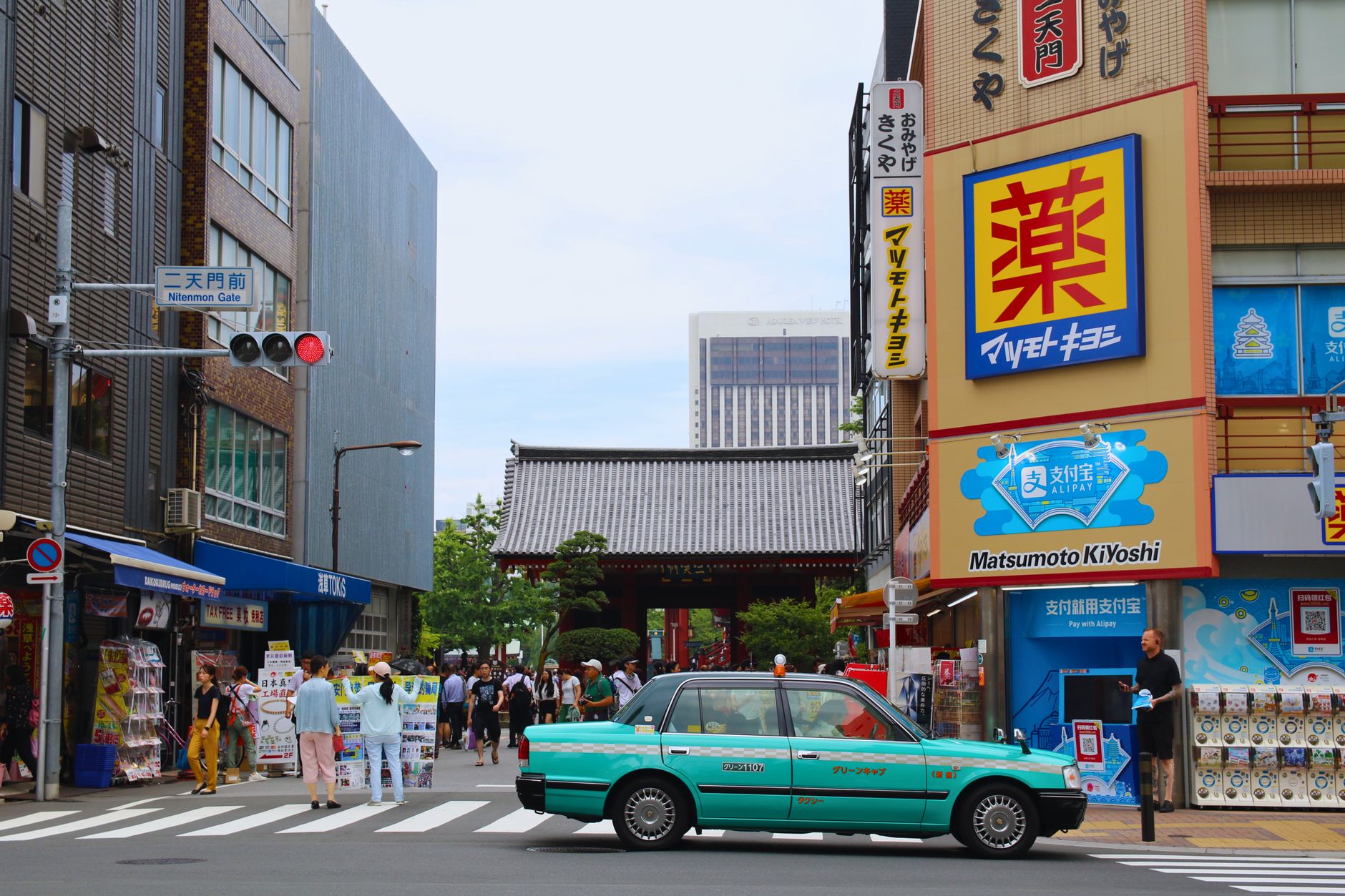
Japan’s driving system is unique among many countries; it drives on the left side of the road, a practice rooted in historical conventions. While this might seem like an oddity to those accustomed to driving on the right side, there are practical reasons behind this choice that reflect Japan’s rich history and cultural influences.
This article explores the origins of why Japan drives on the left, how this decision impacts travelers, and practical tips for navigating the roads if you’re planning a trip there.
Why Does Japan Drive On The Left?
Japan drives on the left primarily due to historical influences from the British road system. The practice started in the late 19th century and has become an integral part of the country’s transportation system.
The decision to adopt left-side driving can be traced back to the Edo Period (1603-1868), when samurai would ride horses on the left to keep their sword arm free and closer to any potential adversaries. As horse-drawn carriages became popular, this custom naturally extended to vehicles.
By the late 1800s, as Western influence grew during Japan’s modernization, the government introduced laws that standardized driving on the left in line with practices from Britain, which was also driving on the left at the time. This alignment with British customs became solidified after the infrastructure developments that accompanied the introduction of railroads and automobiles.
Historical Context of Left-Side Driving in Japan
Understanding why Japan drives on the left involves looking closely at its historical relationships. The late 1800s to early 1900s marked a period of rapid industrialization in Japan. Influenced by British engineers and technology, Japan’s early automobile manufacturing and road laws reflected British standards.
This choice was not arbitrary. It stemmed from a necessity to facilitate the smooth integration of modern vehicles into existing societal norms while also borrowing from a country that was leading in technological advancements.
International Influence
Japan’s shift to left-side driving was solidified when the first official traffic laws were introduced in 1900. These laws were influenced by British regulations, which provided a framework for Japan’s new transportation systems. The country wanted to establish modern roadways that mirrored those in the West while prioritizing the safety and comfort of drivers and passengers alike.
Effect on Travel and Road Safety
If you’re planning a trip to Japan, understanding its left-side driving system is crucial, whether you’re driving a rental car or simply a pedestrian crossing the street. Though it might be disorienting at first, the structure is well organized and designed to ensure the safety of all road users.
The Benefits of Left-Side Driving
- Smoother Integration With Existing Traffic: Since Japan adopted its driving system based on historical and social norms, left-side driving has become ingrained in the country’s culture and infrastructure.
- International Cohesion: Left-side driving countries including the UK, Australia, and some Caribbean nations create a sense of coherence for international travelers.
- Optimized for Urban Areas: Many of Japan’s cities have been constructed around this driving norm, allowing seamless navigation for both locals and tourists.
Potential Challenges
- Adjustment for Visitors: Many travelers from right-side driving countries may find it challenging to adapt to driving on the left. Analyzing traffic patterns will take patience and practice.
- Navigation Expenses: Utilizing GPS or digital maps while driving can incur data or rental charges. It’s crucial to plan ahead and budget for these costs.
Getting Around Japan: Transportation Options
Many visitors to Japan find it more convenient to use public transportation rather than renting a car. Japan offers an extensive and efficient transportation system that makes navigating the country simple and affordable.
Public Transportation
Japan’s public transit is highly regarded for its punctuality and efficiency. The focus should be on the following key systems:
- Trains: The extensive rail network includes the famous Shinkansen (bullet trains) offering fast intercity travel.
- Subways: Major cities like Tokyo and Osaka have intricate subway systems that are well-signposted in English.
- Buses: Local buses can connect areas where trains might not reach, making them essential for comprehensive travel.
Driving in Japan
If you choose to drive, you should prepare by keeping in mind the following pointers:
- Get an International Driving Permit: Travelers will need to obtain an International Driving Permit (IDP) to drive in Japan legally.
- Follow Local Laws: Always adhere to speed limits, seat belt requirements, and specific local customs regarding road use.
- Insurance: Ensure your rental car includes adequate insurance coverage tailored to your travel needs.
Rental Cars: Tips for Tourists
For those interested in exploring rural areas or traveling at their own pace, renting a car can be an excellent option. Here are some practical tips for navigating this process:
- Book in Advance: Reserve your rental car before arrival to assure availability and better rates.
- Understand Fuel Policies: Familiarize yourself with local fuel stations and refill policies; some stations may not operate with English signage.
- Navigational Tools: Utilize a GPS or smartphone navigation app that supports English and make adjustments for left-side driving.
Tips on Being a Pedestrian
For non-drivers, walking and public transit will dominate your travel style. Being cautious and informed can significantly enhance your experiences:
- Use Crosswalks: Japan is pedestrian-friendly, but be sure to use appropriate crosswalks to navigate busy streets safely.
- Look Right First: A crucial adjustment is to remember to look right first when crossing streets, as vehicles will approach from your left.
- Follow Signals: Pay attention to pedestrian signals, as they are strictly enforced in urban environments.
When to Visit Japan
Understanding when to visit will further enhance your travel experience. Each season presents unique charms:
- Spring (March to May): Renowned for cherry blossoms, this is one of the most picturesque and popular times to visit. Expect large crowds in cities like Tokyo and Kyoto.
- Summer (June to August): A great time for festivals but beware of the humidity and heat. This is an excellent time for coastal visits.
- Autumn (September to November): Experience vibrant fall foliage in the countryside and cities. The weather is generally mild and appealing.
- Winter (December to February): Ideal for skiing in regions like Nagano and celebrating Japanese New Year traditions. Temperatures can be cold, especially in northern areas.
Length of Stay Recommendations
Determining how long to spend in Japan involves considering the activities you wish to pursue and the cities you wish to explore. A practical recommendation is as follows:
- Week-Long Trip: Spend 2-3 days in Tokyo, 1-2 days in Kyoto, and consider day trips to surrounding areas such as Nara or Osaka.
- Two Weeks: Broaden your itinerary to include regions like Hokkaido for winter sports or Okinawa for tropical beach experiences.
Budget Considerations
Japan can be a destination suited for any budget. Nonetheless, knowing what to expect can help you manage expenses:
Accommodation
Accommodation options range from luxury hotels and traditional ryokans to budget hostels. Expect the following:
- Luxury: High-end hotels and resorts provide excellent service but can be costly. Rates vary depending on the season.
- Mid-range: Many business hotels offer comfort and convenience at moderate prices.
- Budget: Hostels and guesthouses can be found across cities, providing affordable options for budget travelers.
Food and Drink
Dining in Japan can be an enjoyable experience without breaking the bank:
- Street Food: Tasty and affordable, street food is widely available and offers a taste of local culture.
- Convenience Stores: These establishments provide a variety of reasonably priced meals and snacks.
- Restaurants: While some fine dining establishments can be luxurious, casual dining ranges widely in both price and experience.
Accessibility Considerations
Japan is generally accessible for individuals with mobility challenges. Most major cities provide facilities such as:
- Barrier-Free Access: Train stations, major attractions, and hotels often feature ramps or elevators.
- Rental Equipment: Some locations may offer rental services for wheelchairs or mobility scooters.
Safety Tips for Travelers
Japan is known for being one of the safest countries in the world, though some basic precautions are still advisable:
- Travel Insurance: It’s wise to secure travel insurance that covers medical emergencies and unforeseen cancellations.
- Stay Informed: Keep updated with local news and travel advisories to ensure your safety.
- Emergency Contacts: Familiarize yourself with emergency contact numbers and services for assistance.
Japan’s left-side driving system may seem unusual, but understanding its historical significance and how it affects travel can transform your visit into a wonderful cultural immersion. Be sure to plan and prepare for your trip so you can enjoy all that this beautiful country has to offer.
For further travel planning, consider exploring related articles on driving norms in Italy or learn about flights from Japan to Hawaii to enhance your journey.