
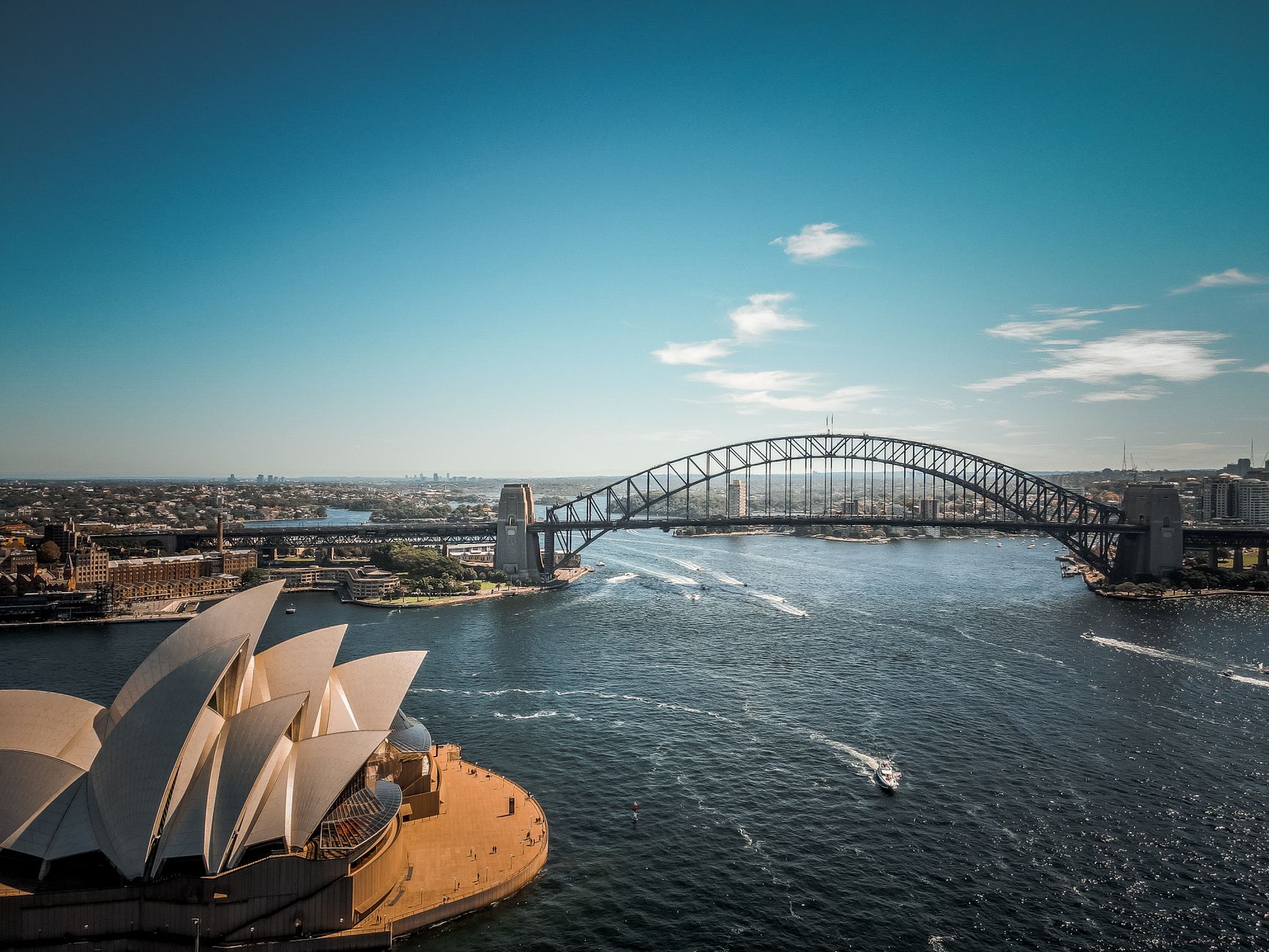
Australia, a vast land of stunning landscapes and diverse cultures, has gained international fame for a multitude of reasons. From its iconic wildlife and breathtaking natural wonders to its vibrant cities and rich indigenous heritage, Australia offers travelers a unique experience unlike any other. Visitors flock from all over the globe to explore its beautiful beaches, unique flora and fauna, and participate in adventurous outdoor activities.
This article will delve into what makes Australia famous, highlighting the must-see attractions, various activities, and essential experiences that every traveler should consider while planning their trip down under.
What Is Australia Famous For?
Australia is famous for its unique wildlife, breathtaking landscapes, world-class beaches, vibrant cities, rich culture, and outdoor adventure opportunities. Key attractions include the Great Barrier Reef, Uluru, Sydney Opera House, and its diverse flora and fauna, making it a popular destination for travelers worldwide.
Australia’s Natural Wonders
Australia’s extraordinary natural scenery is one of its greatest treasures. The country is home to many UNESCO World Heritage Sites that showcase its biodiversity and geological characteristics. Here are some significant natural highlights:
The Great Barrier Reef
The Great Barrier Reef is the world’s largest coral reef system, stretching over 2,300 kilometers along the northeast coast of Queensland. It’s famous for its incredible marine life, including colorful corals, tropical fish, and sea turtles. Visitors can enjoy snorkeling, scuba diving, or taking a scenic flight for panoramic views.
Uluru (Ayers Rock)
Uluru, a large sandstone rock formation in the Northern Territory, is an iconic symbol of Australia. It holds significant cultural importance to the Aboriginal people and is best known for its stunning sunsets, where the rock transforms into a stunning array of colors. Visitors can explore the base of Uluru and learn about its cultural significance on guided walks.
The Outback
The Australian Outback offers unique landscapes characterized by red deserts, rugged mountains, and open plains. This remote region is famous for its dramatic scenery and extraordinary wildlife. Popular areas to explore include Kings Canyon, the Flinders Ranges, and the MacDonnell Ranges.
National Parks
Australia boasts a wide range of national parks, showcasing its natural beauty and wildlife. Some notable parks include:
- Kakadu National Park: Known for its Aboriginal rock art and diverse ecosystems.
- Blue Mountains National Park: Famous for its eucalyptus forests, steep cliffs, and stunning views.
- Great Ocean Road: Home to the Twelve Apostles, a series of limestone stacks off the shore.
Iconic Australian Cities
Australia’s cities are dynamic, offering a blend of urban charm and natural beauty. Here are some noteworthy cities to explore:
Sydney
Sydney is Australia’s most populous city, known for its iconic Sydney Opera House and Sydney Harbour Bridge. The city’s stunning beaches, such as Bondi Beach and Manly Beach, are popular attractions. Visitors can also explore The Rocks, a historic precinct filled with shops, galleries, and restaurants.
Melbourne
Melbourne is celebrated for its vibrant arts and culture scene, diverse food offerings, and coffee culture. The city is known for its laneway street art, eclectic neighborhoods, and cultural festivals. Don’t miss the Royal Botanic Gardens, the Melbourne Museum, and the opportunities to visit its many eclectic cafes.
Brisbane
Brisbane, the capital of Queensland, is known for its warm climate and friendly atmosphere. Attractions include the South Bank Parklands, Brisbane Botanical Gardens, and the Lone Pine Koala Sanctuary, where visitors can cuddle a koala and feed kangaroos.
Perth
Perth is Australia’s sunniest capital city, famous for its beautiful beaches and nearby wine regions. Visitors can enjoy activities such as exploring Kings Park and Botanic Garden, taking a boat trip along the Swan River, or visiting the historic Fremantle area.
Unique Wildlife
Australia’s wildlife is unlike anywhere else in the world, featuring a variety of unique species that draw nature lovers and wildlife enthusiasts alike. Here are some of the most famous creatures you might encounter:
Kangaroos and Koalas
Kangaroos and koalas have become iconic symbols of Australia. While kangaroos can be found hopping around in various regions, koalas are best viewed in their native habitats, particularly in places like the Great Ocean Road or the Eucalyptus forests of Queensland.
Platypus
The platypus is a rare monotreme, an egg-laying mammal, and is native to Australia. Visitors can spot this elusive creature in freshwater streams and rivers, particularly in Tasmania and parts of New South Wales.
Wombats and Tasmanian Devils
Wombats, known for their burrowing habits, and Tasmanian devils, recognizable by their stocky builds and distinctive growls, are also unique to Australia. The best places to see them include wildlife sanctuaries and national parks.
Rich Indigenous Culture and History
Australia’s indigenous culture is one of the oldest living cultures in the world. Aboriginal and Torres Strait Islander peoples have been connected to the land for over 65,000 years. When visiting, it’s important to engage with this rich history.
Indigenous Tours and Experiences
There are several guided tours and experiences that educate visitors about indigenous history, art, and traditions. Consider participating in cultural tours in areas like Sydney’s Barangaroo Reserve or taking a guided walk around Uluru with an indigenous guide.
Art and Heritage
Indigenous art is an essential aspect of Australian culture. Visitors can explore Aboriginal art galleries and community exhibitions to gain insight into the traditional and contemporary art of indigenous peoples.
Culinary Delights and Drinks
Australia boasts a diverse culinary scene influenced by multicultural ingredients and traditions. Here are some foods and drinks that showcase Australia’s flavors:
Barbecues
Aussie barbecues are a quintessential part of the culture, featuring fresh seafood, lamb, and traditional sausages. Whether at a beach picnic or backyard gathering, barbecue is a must-try experience.
Lamingtons and Pavlova
Lamingtons are sponge cakes coated in chocolate and rolled in coconut, while pavlova is a meringue-based dessert topped with fruit and whipped cream. Both are beloved Australian treats that visitors should sample.
Local Wines and Beers
Australia is known for its wine regions, including the Barossa Valley and Margaret River. Additionally, the craft beer scene has gained popularity, with cities like Melbourne and Sydney featuring numerous microbreweries worth exploring.
Outdoor Adventures
For adventure seekers, Australia offers an abundance of outdoor activities to enjoy. From coastal walks and hiking trails to surfing and diving, there’s something for everyone:
Surfing
Australia’s coastline is renowned for its excellent surfing conditions. Iconic surf spots include Bells Beach, Bondi Beach, and Byron Bay, attracting surfers of all levels. Surf lessons are widely available for beginners.
Hiking
Hiking opportunities in Australia are abundant, with trails ranging from short walks to multi-day treks. The Overland Track in Tasmania and the Larapinta Trail in the Northern Territory are popular multi-day hikes for avid trekkers.
Scuba Diving and Snorkeling
Exploring the underwater world can be breathtaking. The Great Barrier Reef is a top destination for scuba diving and snorkeling, but other great locations include Ningaloo Reef and diving sites around Tasmania and the SS Yongala wreck.
Best Time to Visit Australia
Australia’s size means that the best time to visit depends on the region. Generally, the Australian summer (December to February) offers warm temperatures, while winter (June to August) is cooler. Here’s a breakdown by region:
- North (e.g., Cairns): Best visited during winter (dry season) for pleasant weather.
- South (e.g., Melbourne, Sydney): Best visited during spring (September to November) or autumn (March to May) to avoid extremes of summer heat.
- Outback: Best visited during the cooler months from April to September.
Budget Considerations
Budgeting for a trip to Australia will vary based on destinations and activities. Here are some tips for planning your expenses:
Accommodations
Accommodation options range from hostels and backpacker accommodation to hotels and luxury resorts. Consider booking in advance for the best rates, particularly during peak tourist seasons.
Transportation
Australia has a well-connected transport system. Domestic flights can save time when traveling between major cities. Rental cars offer the freedom to explore regional attractions, while buses and trains can be economical for shorter journeys.
Food and Activities
Dining out can range from cheap eats at local cafes to high-end restaurants. To save money, try shopping at local markets and preparing some meals. Many attractions have entry fees, so look for discounts or combined tickets for popular experiences.
Essential Packing Tips
When packing for Australia, consider the diverse climates and activities. Here are some essentials to include:
- Travel insurance documentation
- Comfortable walking shoes
- Swimwear and beach gear
- Sun protection (hats, sunscreen, sunglasses)
- Reusable water bottle
- Lightweight clothing for warm weather and layers for cooler evenings
Health and Safety Tips
Australia is generally a safe destination for travelers. However, it’s wise to take precautions:
Sun Protection
The Australian sun can be intense. Apply sunscreen regularly, particularly around midday, and wear protective clothing.
Wildlife Awareness
When exploring natural areas, be cautious of wildlife. When swimming, be aware of jellyfish and crocodile warnings in certain areas.
Accessibility and Travel Resources
Australia is taking steps to improve accessibility for travelers with disabilities. Many tourist attractions, public transport systems, and accommodations have made efforts to provide accessible options.
Resources include the Tourism Australia website and local tourism boards that can offer detailed information about accessibility features in various destinations.
The length of stay in Australia can vary greatly based on personal preferences and interests. For a well-rounded experience, consider spending at least two weeks to explore some of the major cities, national parks, and natural wonders.
Ultimately, Australia is a destination with something for every traveler, whether you seek adrenaline-pumping adventures, fascinating wildlife encounters, or a relaxing beach getaway. Planning ahead with this guide will help ensure a memorable trip to this beautiful country.
Next, start planning your adventure by exploring the distance to Australia and how to prepare for your journey. Check out more information on how far Australia is to kickstart your travel plans!