
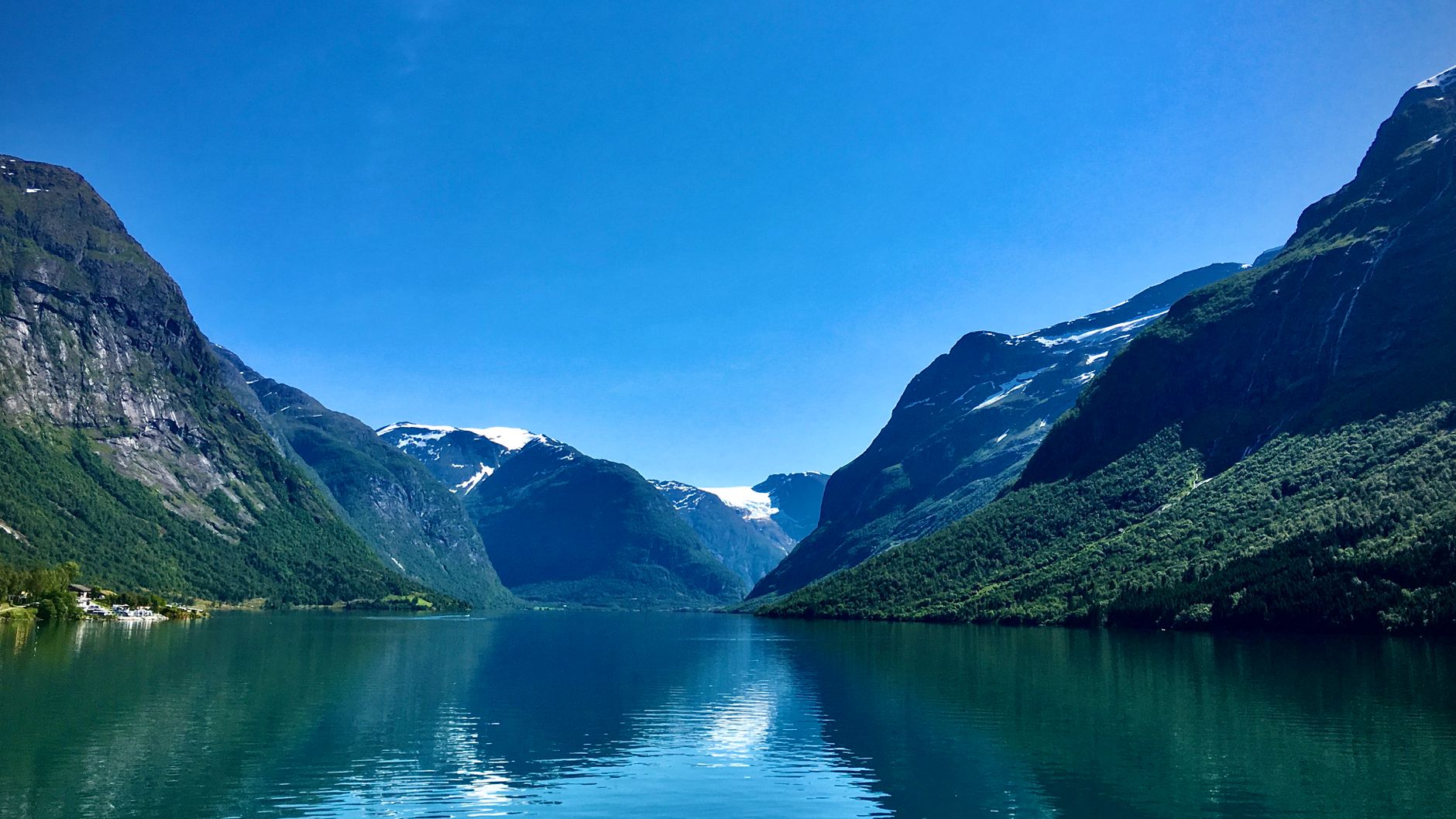
Norway, known for its stunning natural landscapes, vibrant cities, and rich cultural history, offers a unique summer experience that attracts travelers from around the globe. Understanding when summer occurs in Norway is essential for those looking to explore the fjords, hike the mountains, or enjoy the midnight sun. This guide will provide insights into the summer months, activities, accommodations, and travel tips to ensure a memorable trip.
In Norway, summer typically spans from late June to late August, with the most vibrant travel season occurring in July. The long days and mild temperatures create an ideal backdrop for outdoor adventures. Planning your visit during this period opens up a world of possibilities, from hiking trails in the fjords to cultural festivals in the cities.
When Is Summer in Norway?
Summer in Norway occurs from the end of June to the end of August, with temperatures averaging between 15°C to 25°C (59°F to 77°F) in many regions. July experiences the warmest weather and the longest days, often referred to as the “midnight sun.” This phenomenon, where the sun remains visible for 24 hours in parts of the country, particularly in the north, enhances the summer experience.
Why Visit Norway in Summer?
Travelers flock to Norway in summer for various reasons. The stunning natural landscapes, including fjords, mountains, and national parks, are often at their most breathtaking. Furthermore, this season allows for a variety of outdoor activities, from hiking and biking to fishing and kayaking. Cities like Oslo, Bergen, and Tromsø also come alive with festivals and cultural events.
Summer Festivals and Events
During summer, Norway hosts a range of festivals and events celebrating music, food, and culture. Some notable events include:
- Oslo Jazz Festival (August): A popular event that attracts both local and international artists.
- Bergenfest (June): A music festival featuring a variety of genres in the city of Bergen.
- Molde International Jazz Festival (July): One of Norway’s largest jazz festivals, showcasing world-class musicians.
- Nordic Light International Festival of Photography (June): An event dedicated to photography held in Kristiansund.
Best Areas to Explore in Summer
Norway’s summer landscape is diverse, offering numerous regions that cater to different interests. Here’s a look at some of the best areas to explore:
Fjord Norway
Fjord Norway is famous for its majestic fjords, including Geirangerfjord and Nærøyfjord, both UNESCO World Heritage Sites. Visitors can enjoy activities such as:
- Cruises: Experience breathtaking views from boats navigating through the fjords.
- Hiking: Trails like the Stakkholmen and Preikestolen (Pulpit Rock) provide stunning vistas.
- Cycling: The Romsdalsfjord cycling route offers a mix of scenic views and adrenaline-pumping descents.
Oslo
As Norway’s capital, Oslo offers a vibrant cultural scene and outdoor activities. Summer highlights include:
- Vigeland Sculpture Park: Home to over 200 sculptures, it’s a must-visit for art lovers.
- Oslo Opera House: Visitors can walk on the roof for panoramic views of the city and fjord.
- Aker Brygge: A lively waterfront area with restaurants and shops, perfect for summer dining.
Bergen
Bergen, known as the gateway to the fjords, is a charming city with a rich history. Key summer activities include:
- Bryggen Wharf: Explore the UNESCO World Heritage site with its historic wooden buildings.
- Mount Fløyen: Take the funicular for stunning views and hiking opportunities.
- Bergen Fish Market: Sample local seafood and enjoy live music and festivities.
Tromsø
Located above the Arctic Circle, Tromsø is ideal for summer experiences in the north, particularly for seeing the midnight sun. Notable activities include:
- Midnight Sun Marathon: A unique running event under the midnight sun.
- Fjellheisen Cable Car: Offering spectacular views over Tromsø and the surrounding islands.
- Wildlife safaris: Opportunities to see whales and other Arctic wildlife.
Getting to Norway and Around
Traveling to Norway can be done by air, train, or car. Oslo Airport (OSL) is the main international gateway. Once in Norway, consider these transportation options:
Air Travel
Domestic flights connect major cities and remote areas, making it convenient to reach destinations like Bergen and Tromsø quickly. Airlines such as Norwegian Air and SAS provide numerous daily flights.
Trains
The train system in Norway is efficient, with beautiful scenic routes, especially the Flåm Railway. Consider taking a train from Oslo to Bergen to experience stunning landscapes.
Car Rentals
Renting a car allows greater flexibility for exploring the countryside. Be aware that some areas, particularly fjords, may have toll roads, and parking can be limited in city centers.
Where to Stay During Summer
Norway offers a range of accommodations from luxury hotels to cozy cabins. Here are some options based on different traveler types:
Luxury Travelers
- The Thief (Oslo): A five-star hotel located in the trendy Tjuvholmen district.
- Barefoot Hotel (Tromsø): Offers modern amenities with a view of the Arctic landscapes.
Budget Travelers
- HI Oslo Hostel: A budget-friendly option located near the city center.
- Comfort Hotel Holberg (Bergen): Affordable accommodation within walking distance of popular attractions.
Family-Friendly Options
- Radisson Blu Royal Hotel (Bergen): Features family rooms and is close to the aquarium.
- Quality Hotel Strand Gjøvik: Offers an indoor water park, perfect for families.
Budgeting for Your Trip to Norway
Norway is known for being expensive, but with careful planning, you can manage your budget effectively. Consider the following:
Accommodation Costs
Expect to pay between NOK 800 to 2,000 (approximately USD 80 to 200) per night for mid-range hotels. Hostels can be a cheaper alternative starting at NOK 350 (around USD 35).
Food and Drink
Dining can be pricey, with average meal costs around NOK 200 to 500 (USD 20 to 50). To save money, consider:
- Eating at casual eateries or street food vendors.
- Shopping at grocery stores to prepare your meals.
Attractions and Activities
Factor in entrance fees for attractions, which can vary widely. Many natural attractions, like hiking trails, are free, while museums may charge NOK 100 to 200 (USD 10 to 20).
Practical Packing Tips for Summer in Norway
Given Norway’s changing weather conditions during summer, packing smart is crucial. Here’s a helpful packing list to consider:
- Clothing: Layered clothing, including lightweight base layers, sweaters, and a waterproof jacket.
- Footwear: Comfortable hiking shoes and sandals for city strolls.
- Accessories: A hat and sunglasses for sunny days and a reusable water bottle.
- Outdoor Gear: If hiking, bring trekking poles and a small backpack for day trips.
Outdoor Adventures During Summer
Norway is a paradise for outdoor enthusiasts. Here are some top adventures to explore:
Hiking
From the iconic hike to Preikestolen (Pulpit Rock) to the serene trails of Jotunheimen National Park, hiking opportunities abound. Consider guided tours for more challenging hikes.
Kayaking
Kayaking in the fjords is a popular way to experience the beauty of Norway from the water. Rentals and guided tours are often available in places like Geirangerfjord.
Fishing
Fishing is a popular summer activity, with options for both freshwater and saltwater fishing. Ensure you have the necessary permits to fish in freshwater areas.
Family and Solo Travel Considerations
Norway is family-friendly and offers a range of activities suitable for all ages. Many hotels provide family accommodations, and outdoor activities can cater to children’s interests.
For solo travelers, Norway is generally safe, though it’s always wise to take the usual precautions. Consider joining group tours or local meetups to connect with fellow travelers.
Safety and Health Precautions
While Norway is a safe travel destination, it’s important to stay informed about safety recommendations. Follow local guidelines for outdoor activities, respect wildlife, and always inform someone of your travel plans when venturing into remote areas.
Alternative Seasons to Consider
If summer doesn’t work for your schedule, Norway is beautiful in different seasons. Winter offers skiing and northern lights, while autumn provides stunning fall foliage and fewer tourists. Spring is perfect for witnessing the blooming landscapes and fresher air.
Planning your summer adventure in Norway involves understanding the season’s timing, exploring vibrant cities, picturesque landscapes, and engaging in various outdoor activities. With careful budgeting and packing, Norway can be an affordable yet unforgettable destination.
Now that you know when summer occurs in Norway and what to expect, start planning your trip by checking for flights and accommodations to secure the best deals available!
For more travel insights, explore our guides on the best time to go to Alaska and the best time to visit Turks and Caicos.