
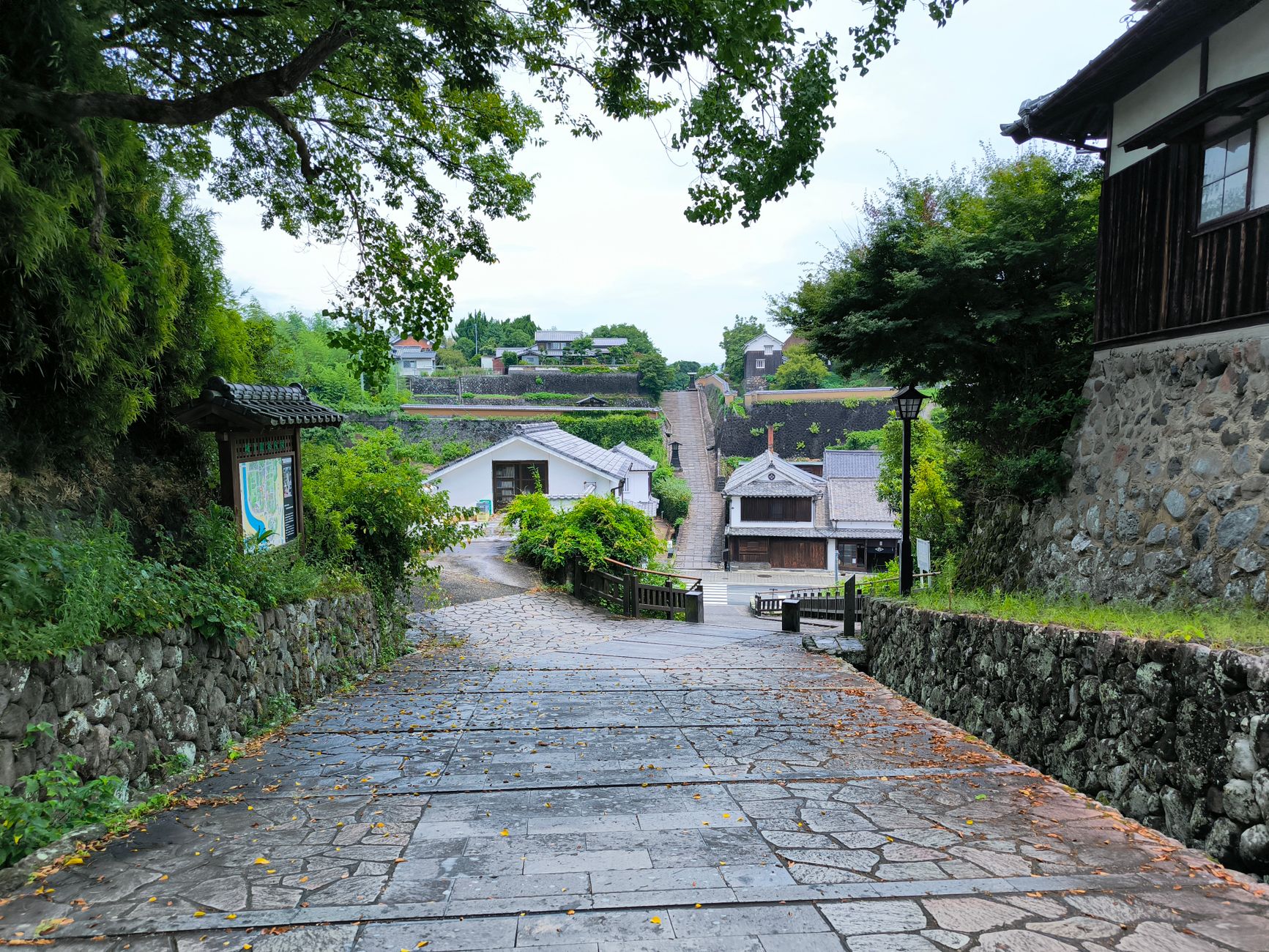
Traveling to Japan can be an unforgettable experience, packed with art, culture, technology, and cuisine. However, the costs associated with a trip can make it tricky to plan. Understanding when the cheapest time to visit Japan is essential for budget-conscious travelers aiming to make the most of their trip without breaking the bank.
Factors such as seasonality, holidays, and local events heavily influence the prices of flights, accommodations, and attractions. Whether you’re looking to explore bustling Tokyo or serene Kyoto, knowing when to visit can save you significant money while ensuring you enjoy your stay to the fullest.
When Is The Cheapest Time To Go To Japan?
The cheapest time to go to Japan is typically during the shoulder seasons of late autumn (late November) and early spring (February through early March). During these months, you can expect lower airline ticket prices, reduced accommodation costs, and fewer tourists, allowing for a more authentic experience.
Japan has distinct seasons that dramatically affect prices and availability. By understanding these seasonal fluctuations, travelers can plan more effectively and enjoy Japan on a budget.
Seasonal Overview
Japan experiences four distinct seasons: spring, summer, autumn, and winter. Each season showcases unique characteristics, experiences, and price points.
Spring (March to May)
Spring in Japan is famous for cherry blossom season, which usually peaks in late March to early April. This is one of the most popular times to visit, leading to higher prices for flights and hotels. Prices begin to rise in late March and remain high until early May, coinciding with Golden Week, a major national holiday.
Summer (June to August)
Summer can be hot and humid, with temperatures often exceeding 30°C (86°F). While this season also attracts tourists, especially during the Obon holiday in mid-August, flight and hotel costs can drop significantly during the rainy season in June. If you don’t mind the humidity and occasional rain, this can be a cheaper time to visit.
Autumn (September to November)
Autumn is another beautiful season, characterized by stunning fall foliage and cooler temperatures. While October can be moderately priced, late November can see a drop in travel costs as the foliage fades and tourist crowds diminish. November is often one of the cheaper months to visit Japan.
Winter (December to February)
Japan in winter can be quite cold, particularly in northern regions, but it’s also the perfect time for winter sports and hot spring baths. Prices fall after the holiday season in early January until late February, making this a potentially affordable time for travelers focused on winter activities.
Understanding Price Trends
To find the cheapest time to travel to Japan, it’s helpful to analyze ticket prices and accommodation trends across various months. Factors influencing these trends include:
- Holidays: Major Japanese holidays such as New Year (Shōgatsu) and Golden Week affect prices significantly. Flights and accommodations often skyrocket during these periods as locals and tourists travel.
- Local Events: Festivals like Hanami (flower viewing) and Gion Matsuri in Kyoto draw crowds, causing prices to peak. Knowing the event calendar can help you avoid high prices.
- Booking Advanced: Planning your trip in advance and avoiding last-minute bookings generally leads to lower prices.
Cheaper Travel Month Options
Based on research and industry trends, here’s a detailed breakdown of cheaper travel options by month:
January
After the New Year festivities, January is typically low-cost, especially after the first week. Though temperatures can drop, it’s a great time for skiing in places like Hokkaido. Flight and hotel prices are lower during the latter half of the month.
February
February remains budget-friendly, particularly as it could be colder and less crowded, especially away from tourist areas. It is ideal for travelers interested in snow sports or enjoying the tranquil hot springs.
Late November to Early December
This period often sees lower prices. As autumn concludes and before the winter holiday festivities commence, visitors can enjoy the remaining fall foliage without the crowds or higher costs associated with peak seasons.
Mid-March to Early April
Early March can still be relatively affordable before the cherry blossoms peak. While accommodations can be limited during high season from late March onward, if you visit during the first weeks of March, you have a good chance of snagging better deals.
Choosing Your Travel Dates Wisely
Travelers must consider weekdays versus weekends when planning their visits. Generally speaking, flights are often cheaper midweek compared to weekends. Some tips include:
- Saturdays: Flights are usually more expensive.
- Midweek Travel: Tuesdays and Wednesdays are typically the best days to fly for lower rates.
- Flexible Dates: If possible, be flexible with your travel dates to take advantage of the best prices.
Where to Stay on a Budget
Your choice of accommodation can also significantly impact your overall travel costs. Here are some budget-friendly recommendations:
Hostels
Hostels are common in Japan, offering dormitory-style and private rooms. Locations in major cities like Tokyo and Osaka can be particularly affordable. Not only are they economical, but they also provide opportunities to meet fellow travelers.
Capsule Hotels
The unique capsule hotels are an affordable and culturally immersive option. Though limited in space, they are typically cheaper than conventional hotels.
Pension or Guesthouse
Opting for guesthouses can provide a rich experience with access to local insights and less touristy areas. They often come with kitchens, allowing you to prepare your meals and save on dining expenses.
Hotel Deals & Loyalty Programs
If you’re looking for conventional hotel stays, explore last-minute deals or promotions offered by travelers’ loyalty programs. Many international hotel chains have properties in major Japanese cities.
Dining on a Budget
Japan is renowned for its cuisine, but dining can quickly add up. Here are ways to eat well without overspending:
- Convenience Store Meals: Convenience stores are everywhere in Japan and offer a variety of ready-made meals that are both affordable and delicious.
- Street Food: Local food vendors and street stalls provide authentic dishes at lower prices.
- Eateries and Izakayas: Have meals at traditional Japanese izakayas for reasonably priced shareable plates.
- Bento Boxes: Store-bought bento boxes are not only cost-effective but also a great way to experience different flavors.
Transportation Tips
Japan has an efficient transportation system, but travelers should consider budget options to manage costs:
Rail Passes
If you plan to travel between cities, a Japan Rail Pass can offer significant savings. Available for one, two, or three weeks, the pass allows unlimited travel on participating rail lines.
Local Transportation
Use local rail and subway networks instead of taxis. Transit passes, which allow for multiple rides, can also save you money during city explorations.
Biking and Walking
In many cities, renting a bike can be an inexpensive alternative to public transport and allows you to discover local neighborhoods at a leisurely pace.
Planning Your Itinerary Wisely
When working within the constraints of budget-friendly travel, prioritizing destinations is crucial. Here’s a suggested itinerary for a week-long trip designed to minimize costs while maximizing experiences.
Day 1: Arrival in Tokyo
On your first day in Tokyo, arrive and adapt to the new time zone. Explore neighborhoods like Shibuya and Shinjuku in the evening.
Day 2: Exploring Tokyo
Visit iconic sites like the Tokyo Tower, Sensoji Temple, and Ueno Park. Use metro transportation passes to save on back-and-forth travels.
Day 3: Day Trip to Nikko
Nikko’s UNESCO World Heritage sites are easily accessible via rail from Tokyo and are worth a visit.
Day 4: Travel to Kyoto
Take the Shinkansen (bullet train) to Kyoto in the morning. Spend the day visiting Kinkaku-ji and Arashiyama Bamboo Grove.
Day 5: Discovering Kyoto
Explore Fushimi Inari Taisha and take part in tea ceremony experiences. Consider evening visits to Gion for cultural flair.
Day 6: Day Trip to Nara
Take a short train ride to Nara, known for its impressive temples and friendly free-roaming deer.
Day 7: Return to Tokyo
Spend your final day back in Tokyo for last-minute shopping and enjoying culinary treats before departing.
Final Thoughts
Traveling to Japan on a budget is achievable with careful planning. By timing your trip wisely, choosing the right accommodation, and exploring economical dining options, you can experience Japan’s wonders without overspending. Ultimately, recognizing peak travel times and understanding seasonal price fluctuations is crucial.
With all this information in hand, start planning your next adventure and explore the enchanting landscapes and vibrant cities Japan has to offer!
For more insights into travel in Japan, check out our guides on when to see cherry blossoms and the best time to visit Yellowstone.