
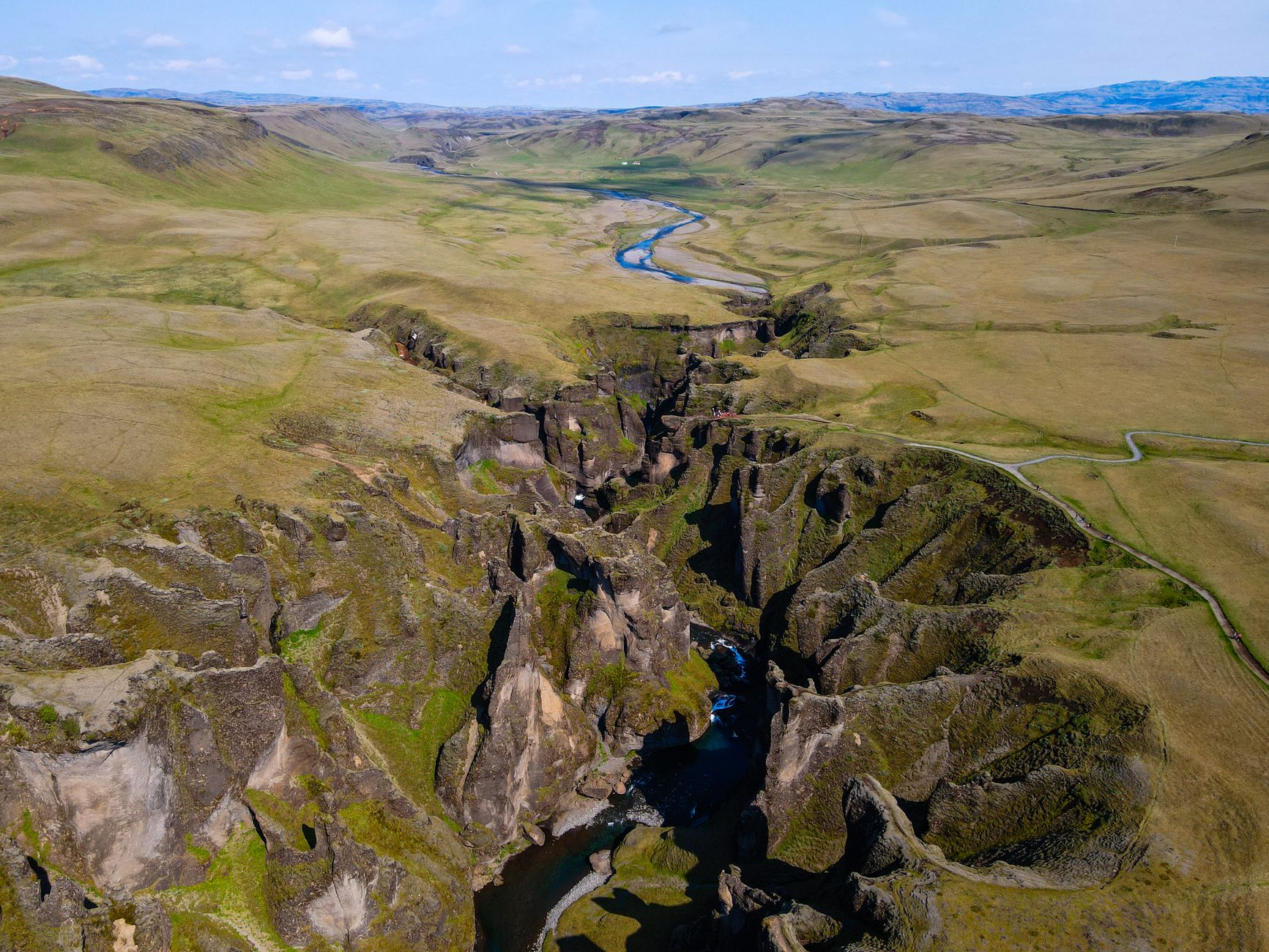
The North Rim of the Grand Canyon offers a distinct experience compared to its more famous counterpart, the South Rim. Its higher elevation, stunning vistas, and fewer crowds make it a tranquil getaway for nature enthusiasts and families alike. However, one question often arises: is the North Rim open for visitors?
Understanding when you can visit the North Rim is crucial for effective travel planning. This guide will provide comprehensive information on the North Rim’s operating seasons, accessibility, and suggestions for maximizing your visit.
Is The North Rim Of The Grand Canyon Open?
Yes, the North Rim of the Grand Canyon is open, but it operates on a seasonal schedule. The North Rim typically opens for visitors from mid-May to mid-October, depending on weather conditions. Before planning your trip, it’s advisable to check the official National Park Service website for the most current information regarding access and availability.
Seasonal Overview of the North Rim
The travel experience at the North Rim varies significantly with the changing seasons. Here’s a breakdown of what to expect throughout the year:
Spring (March to May)
Spring is a beautiful time to visit the North Rim, as the snow begins to melt and wildflowers start to bloom. However, most facilities remain closed until mid-May due to lingering snow and icy conditions.
Summer (June to August)
Summer is the peak season for the North Rim. All facilities, including campgrounds and lodges, are operational, and temperatures are comfortable for hiking and exploring. However, be prepared for afternoon thunderstorms.
Fall (September to October)
Fall offers stunning foliage and a quieter atmosphere as tourist crowds diminish. The North Rim typically remains open until mid-October, but be aware that services may begin to close as the month progresses.
Winter (November to February)
The North Rim is closed during winter due to heavy snow and hazardous conditions. Access during this time is limited to those who are prepared for extreme weather and potential road closures.
Accessing the North Rim
Reaching the North Rim requires some planning, as it is less developed than the South Rim. The nearest gateway towns include Kanab, Utah, and Jacob Lake, Arizona, both offering various amenities.
Driving to the North Rim
The most common route is via Highway 67, which leads directly to the North Rim. Here’s how to navigate:
- From Kanab, UT: Head east on US-89, then north on AZ-67 to the North Rim (approx. 1.5 hours).
- From Jacob Lake, AZ: Take AZ-67 directly south to the North Rim (approx. 30 minutes).
- From Las Vegas, NV: About a 4-hour drive, take I-15 to US-93, then follow US-89 and AZ-67.
Public Transportation Options
Limited public transportation services operate in the area, making a personal vehicle the most feasible option for reaching the North Rim. However, shuttle services do run from places like Las Vegas to the Grand Canyon, but typically only to the South Rim.
Accommodation Options
Accommodation at the North Rim is more limited than at the South Rim. Here’s what you need to know about where to stay:
Lodging Inside the Park
There are only a few accommodation options within the park boundaries:
- Grand Canyon Lodge: The only lodge located on the North Rim, offering various options from rustic cabins to motel rooms. Reservations are strongly recommended, especially in peak season.
- Campgrounds: The North Rim Campground is available for tent camping, with around 90 sites. Reservations are required during peak season.
Nearby Accommodations
If lodgings within the park are fully booked, there are alternatives in the surrounding areas:
- Jacob Lake Inn: Located about 45 minutes from the North Rim, this inn offers comfortable accommodations, dining, and a general store.
- Hotels in Kanab: Numerous hotels and motels are available in Kanab, making it a convenient base for day trips to the North Rim.
Things To Do at the North Rim
The North Rim offers a range of activities for visitors seeking breathtaking views, outdoor adventures, and wildlife encounters. Here are essential experiences to consider:
Scenic Viewpoints
The North Rim boasts stunning vistas that shouldn’t be missed.
- Bright Angel Point: This easily accessible viewpoint provides breathtaking views of the canyon and is a great spot for sunrise or sunset.
- Point Imperial: The highest viewpoint in the Grand Canyon, offering panoramic views of the Painted Desert and the Navajo Nation in the distance.
- Cape Royal: A stunning viewpoint that offers expansive canyon views and a view of the Colorado River.
Hiking Trails
Hiking is one of the best ways to experience the natural beauty of the North Rim.
- North Kaibab Trail: This trail descends into the canyon and is a must for adventurous hikers. Be prepared for steep sections and changing weather conditions.
- Transept Trail: A relatively easy hike that connects the North Rim Campground to Grand Canyon Lodge, offering beautiful views along the way.
- Cape Royal Trail: A short, paved trail with stunning viewpoints, ideal for families.
Wildlife Viewing
The North Rim is home to diverse wildlife, including mule deer, bighorn sheep, and various bird species. Early morning and late afternoon are the best times for animal encounters.
Helpful Tips for Visiting the North Rim
Here are some tips to enhance your experience at the North Rim:
Check for Road Conditions
Before your visit, check for road and weather conditions, especially during spring and fall. Mudslides and snow may cause abrupt closures.
Pack Accordingly
Dress in layers as temperatures can vary greatly throughout the day. Don’t forget essentials like hiking boots, sunscreen, and plenty of water.
Arrive Early
To beat the crowds and secure parking, arrive early, especially during the summer months.
Plan Your Itinerary Wisely
The North Rim is less crowded, but it’s still essential to plan your hiking schedule and attractions in advance to make the most of your visit.
Budget Considerations for Your Trip
Traveling to the North Rim can vary in cost based on many factors, including accommodations, dining, and activities. Here’s a practical breakdown:
Entrance Fees
There is an entrance fee for Grand Canyon National Park, which is valid for up to seven days. Pass options include:
- Private vehicle: Approx. $35
- Motorcycle: Approx. $30
- Individual: Approx. $20 (on foot or bike)
Accommodation Costs
Costs for lodging can differ significantly based on the type of accommodation:
- Camping: Expect to pay around $18 to $30 per night.
- Lodging at Grand Canyon Lodge: Prices can range from $150 to $300+ per night during peak season.
Dining Expenses
Dining options are limited, so budgeting for meals in advance is wise. Expect to spend around $10 to $20 for casual dining options at lodge restaurants.
Activity Costs
Many outdoor activities, such as hiking and wildlife viewing, are free. However, some special services like guided tours may incur additional fees.
Accessibility Concerns
It’s essential to consider accessibility options when planning your trip to the North Rim.
Visitor Center Facilities
The Grand Canyon North Rim Visitor Center provides accessible amenities, including restrooms and information services. Be sure to check for specific accessibility features before your visit.
Accessible Trails
Some viewpoints and trails, such as the Bright Angel Point Trail, are suitable for visitors with mobility concerns, but check available resources for detailed accessibility options.
Safety Tips While Visiting the North Rim
Stay Hydrated
The high elevation increases your risk of dehydration, so carry enough water, especially if engaging in strenuous activities.
Wildlife Encounters
While wildlife encounters can be exciting, maintain a safe distance and never feed animals.
Weather Awareness
Weather can change quickly, particularly in summer. Monitor forecasts and be prepared for sudden storms, especially if hiking.
When to Plan Your Trip
The best time for your visit largely depends on your preferences and weather considerations.
Best Time for Views
Summer offers the most accessible experience with all facilities open, whereas fall provides stunning foliage and a peaceful atmosphere. Early spring and late fall are beautiful but may limit access due to weather conditions.
Suggested Length of Stay
Two to three days is ideal for experiencing the North Rim. This timeframe allows for multiple hikes, scenic drives, and a relaxed pace to enjoy the breathtaking landscapes.
Final Thoughts and Next Steps
For more travel planning, you may find value in exploring related destination guides and articles, such as learning how many states the Grand Canyon spans at How Many States Does The Grand Canyon Go Through? or checking where it’s located on a map at Where Is The Grand Canyon On A Map?.