
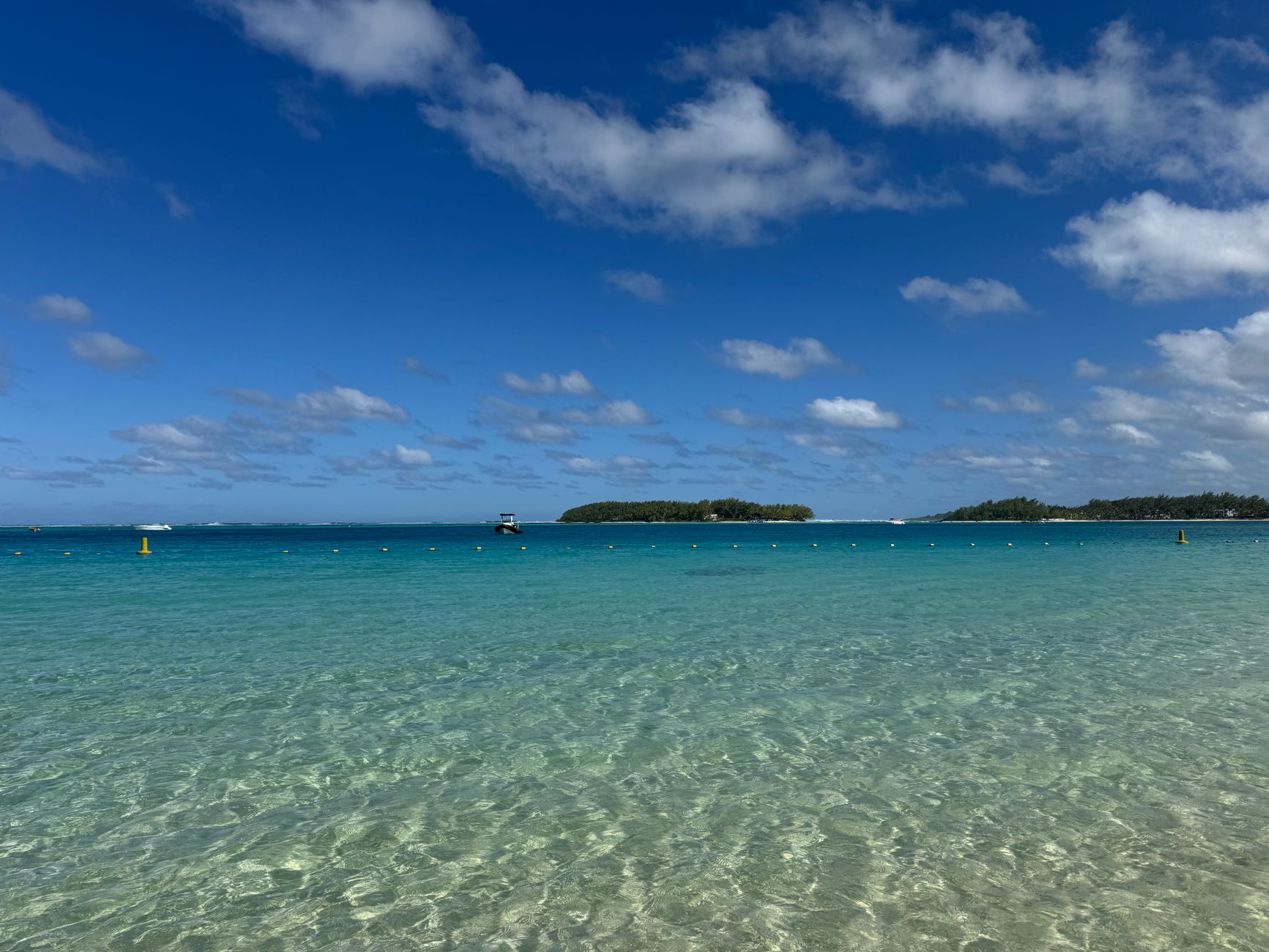
Hawaii, with its stunning beaches, vibrant culture, and breathtaking landscapes, is a dream destination for many travelers. However, choosing the best months to visit can enhance your experience, whether you seek fewer crowds, better prices, or perfect weather.
Understanding the seasonal fluctuations will help you maximize your trip. Here’s a detailed guide on when to visit Hawaii and the unique experiences each month has to offer.
What Are The Best Months To Go To Hawaii?
The best months to go to Hawaii are typically April to June and September to November. These months enjoy pleasant weather, fewer tourists, and better accommodation rates compared to peak seasons. However, specific events and activities throughout the year also impact the best months to visit.
Understanding Hawaii’s Seasons
Hawaii’s climate is generally warm and tropical year-round, but it can be divided into two main seasons: dry and wet.
The dry season runs from May to October, while the wet season spans from November to April. However, Hawaii’s rainfall can vary between islands and even regions within an island.
Dry Season: May to October
The dry season sees warm temperatures and plenty of sunshine across the islands. It’s the most popular time for tourists, resulting in a lively atmosphere, especially at beaches and attractions.
- Weather: Average temperatures range from 70°F to 85°F (21°C to 29°C).
- Activities: Ideal for beach activities, hiking, and outdoor festivals.
- Crowds: Expect larger crowds, particularly during summer months.
- Prices: Accommodation and travel prices may rise during the high tourist season.
Wet Season: November to April
During the wet season, you can expect more rainfall, particularly on the northern and eastern coasts of the islands. However, this time also offers its advantages.
- Weather: Average temperatures remain warm but can be humid, ranging from 68°F to 80°F (20°C to 27°C).
- Activities: A fantastic time for whale watching and cultural events.
- Crowds: Fewer tourists overall, making for a more intimate experience.
- Prices: Rates for flights and accommodations tend to drop outside holiday periods.
Monthly Breakdown: Best Times to Visit
Here’s a month-by-month breakdown of what to expect in Hawaii, along with recommendations for the best times to visit.
January
January can be rainy but is still a popular month for tourists, particularly for winter getaways.
- Weather: Average high of 80°F (27°C) and occasional rain showers.
- Activities: Great for surfing on the North Shore and whale watching.
- Crowds: Moderate crowds immediately after New Year’s; quieter later in the month.
February
February continues the trend of whale watching as the whales are active during the mating season.
- Weather: Similar to January, warm with some rain.
- Activities: Participate in local events like the annual Waimea Hawaiian Music Festival.
- Crowds: Moderate, with increased visitors around Presidents’ Day weekend.
March
March generally brings more stable weather, making it a festive month.
- Weather: Temperatures begin to rise, with more sunny days.
- Activities: Enjoy spring break festivities and local cultural events.
- Crowds: Crowds increase toward the end of the month for spring break.
April
April is a highly recommended month as the rainy season begins to taper off.
- Weather: Average temperatures of 75°F to 80°F (24°C to 27°C).
- Activities: Participate in the Merrie Monarch Festival, celebrating hula.
- Crowds: Fewer tourists, making it easy to explore and enjoy.
May
May is one of the best times to visit Hawaii due to ideal weather and fewer crowds.
- Weather: Comfortable temperatures and mostly dry.
- Activities: Perfect for hiking, snorkeling, and exploring.
- Crowds: Light crowds before summer vacation season picks up.
June
June marks the beginning of summer, attracting families and school groups.
- Weather: Warm temperatures lead to excellent beach days.
- Activities: Great for outdoor adventures, fairs, and local festivals.
- Crowds: Moderate crowds as school breaks begin.
July
July is a peak travel month due to summer vacations, making it busy but lively.
- Weather: Hot and sunny; average highs around 85°F (29°C).
- Activities: Enjoy fireworks on the 4th of July and plenty of water sports.
- Crowds: Expect larger crowds and higher accommodation rates.
August
August continues the summer rush, but it’s slightly less crowded than July.
- Weather: Warm, with occasional trade winds providing relief.
- Activities: Dive into local cultural festivals and beach events.
- Crowds: Still busy but more manageable than in July.
September
September is an excellent month to visit, commonly known for its reduced crowds and pleasant weather.
- Weather: Warm and dry, ideal for outdoor exploration.
- Activities: Perfect time for hiking and enjoying lesser-visited beaches.
- Crowds: Fewer tourists as summer vacations end.
October
October remains warm and is a transitional month, moving towards the wetter season.
- Weather: Average highs around 82°F (28°C).
- Activities: Experience the Aloha Festivals celebrating Hawaiian culture.
- Crowds: Moderate crowds; fewer visitors than in summer.
November
November marks the beginning of the wet season, but it’s still a great time to visit.
- Weather: Cooler temperatures with possible rain showers.
- Activities: Whale watching starts as whales migrate back to Hawaii.
- Crowds: Light crowds until Thanksgiving approaches.
December
December is a festive month in Hawaii with holiday celebrations and beautiful scenery.
- Weather: Warm temperatures, but expect occasional rainfall.
- Activities: Enjoy Christmas lights, holiday events, and cultural festivals.
- Crowds: Larger crowds as many tourists visit for the holidays.
Events and Festivals Throughout the Year
Hawaii hosts numerous events and festivals throughout the year that may influence your decision on when to visit. Here are some highlights:
- Merrie Monarch Festival (April): A week-long hula competition in Hilo.
- Honolulu Festival (March): A cultural celebration featuring arts, crafts, and performances.
- Waimea Hawaiian Music Festival (February): Celebrating the rich musical heritage of Hawaii.
- Aloha Festivals (September): Month-long celebration of Hawaiian music, hula, and cultural events.
Booking Your Trip: Practical Tips
When planning your Hawaiian getaway, consider these practical tips to make the most of your trip:
- Book Early: Especially if you’re traveling during peak tourism months (December and July).
- Consider Flexibility: If you’re flexible with travel dates, you might find better rates.
- Look for Package Deals: Some airlines and hotels offer package discounts.
- Explore Different Islands: Each island has its peak times and experiences. Research to balance your itinerary.
Getting Around Hawaii
Transportation options vary across the islands, and planning accordingly is crucial:
- Rental Cars: Highly recommended for exploring the islands, especially the Big Island and Maui.
- Public Transit: Cities like Honolulu have bus systems that can be convenient and economical.
- Inter-island Flights: Consider flying for quick access between islands; major airlines operate frequent services.
- Ride-sharing: Services like Uber and Lyft are typically available in populated areas.
Accommodations: Finding the Right Place to Stay
Hawaii offers various lodging options for all budgets. Here’s a breakdown of where to stay based on your needs:
- Luxury Resorts: Ideal for travelers seeking pampering and high-end amenities.
- Mid-Range Hotels: Often provide good comfort and services without breaking the bank.
- Vacation Rentals: Perfect for families or groups wanting a home-like setting.
- Campsites: Options for the more adventurous traveler who enjoys nature.
Budget Considerations: Planning Your Hawaii Trip
Planning a trip to Hawaii can be budget-sensitive. Here’s how to manage costs:
- Travel Off-Peak: As mentioned, visiting during less crowded months can save you money.
- Grocery Shopping: Eating out can be expensive; consider cooking meals to cut costs.
- Free Activities: Enjoy hikes, beaches, and local festivals to save on entertainment.
- Transportation Savings: Utilize public transport or consider carpooling services.
Understanding the best months to visit Hawaii will allow you to enjoy all that this beautiful state offers—perfect conditions, fewer crowds, and plenty of events. Whether you’re planning a romantic getaway, a family vacation, or a solo adventure, you’ll find an ideal time to experience the islands.
If you’re looking for more insights into your Hawaii trip, check out our articles on vacation costs and flight durations. Happy traveling!