
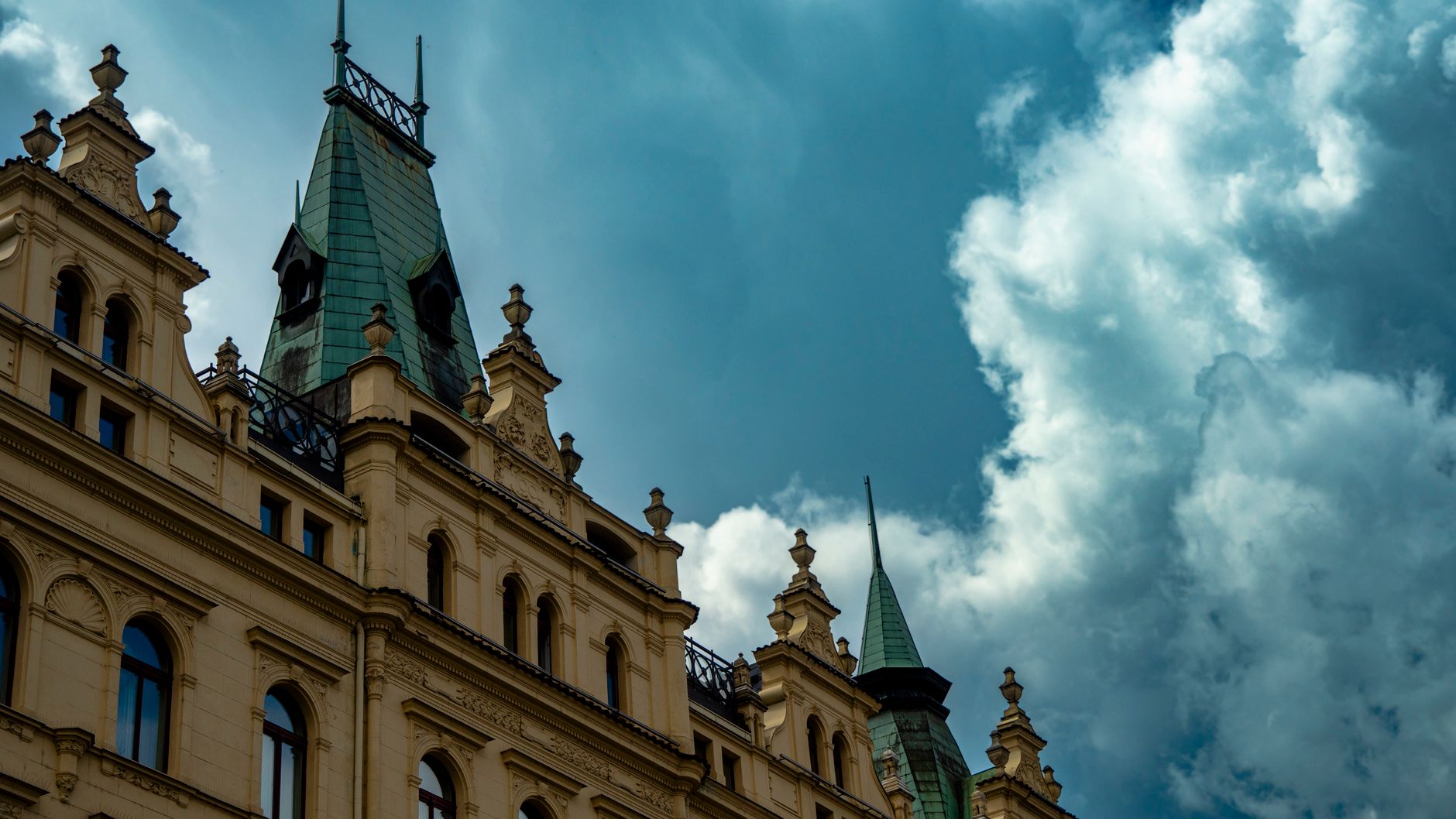
Seville, the capital of Spain’s Andalusia region, is known for its rich history, vibrant culture, and stunning architecture. As one of the country’s most dynamic cities, it attracts visitors with its energetic flamenco performances, mouthwatering cuisine, and historical sites that reflect centuries of Moorish and Christian influences.
From the iconic Giralda and the magnificent Cathedral to the lively atmosphere of the Barrio Santa Cruz, Seville offers a sensory feast. Whether you are a history buff, a foodie, or simply looking for a beautiful city to explore, this destination has something for everyone.
What Is Seville Known For?
Seville is known for its captivating mix of history, culture, and architectural marvels. The city boasts renowned landmarks like the Seville Cathedral, which is the largest Gothic cathedral in the world, as well as the beautifully ornate Real Alcázar, a royal palace that showcases Mudéjar, Gothic, Renaissance, and Baroque architectural styles. Its lively atmosphere is enhanced by flamenco dancing, delicious tapas, and vibrant festivals.
Historical Significance
Seville’s history dates back to Roman times, making it a city steeped in historical significance. After being conquered by the Moors in the 8th century, it flourished as a cultural and economic center. The city played a crucial role in the Age of Discovery as a launch point for expeditions to the New World.
Visitors can explore this rich past through its magnificent sites, particularly:
- Seville Cathedral – Completed in 1507, this is one of the largest cathedrals in the world, built on the site of a former mosque.
- Real Alcázar – Originally a Moorish fort, this palace is famous for its stunning gardens and intricate architecture.
- Metropol Parasol – A modern architectural marvel, this wooden structure offers panoramic views of the city.
Cultural Experiences
Seville is bustling with cultural experiences that make it a unique destination:
Flamenco
Flamenco is deeply rooted in the culture of Andalusia. Visitors can experience passionate performances in many venues around the city. Some of the top places to watch flamenco include:
- Casa de la Memoria – A small venue known for its intimate performances.
- El Palacio Andaluz – Offers larger performances with elaborate productions.
- Tablao El Arenal – A traditional setting with talented dancers.
Tapas Culture
The culinary culture in Seville is vibrant, with tapas being a celebrated tradition. These small dishes are designed to be shared and enjoyed with friends over drinks. Some must-try tapas include:
- Patatas bravas – Fried potatoes served with a spicy tomato sauce.
- Gambas al ajillo – Garlic shrimp cooked in olive oil.
- Jamón ibérico – A cured ham that’s a staple of Spanish cuisine.
Iconic Landmarks
Seville’s skyline is dotted with stunning landmarks that reflect its historical and cultural heritage. Here’s a closer look at some of the must-see sites:
Seville Cathedral
This UNESCO World Heritage site is the largest Gothic cathedral in the world. It is also home to the tomb of Christopher Columbus and the majestic bell tower known as La Giralda. Climbing to the top offers impressive views of the city.
Real Alcázar
This royal palace is known for its intricate architectural details and beautiful gardens. Originally built as a fortress, it showcases a blend of Islamic, Mudejar, Gothic, and Renaissance styles. The Palace of Pedro I section is particularly noteworthy.
Plaza de España
A stunning plaza built for the Ibero-American Exposition of 1929, Plaza de España features a semi-circular building surrounded by canals. It’s an excellent place for a leisurely stroll or a picturesque photo opportunity.
Metropol Parasol
Completed in 2011, this modern wooden structure, known as Las Setas, offers a contrast to the city’s historic architecture. It houses a museum, market, and terrace with stunning views of Seville.
Festivals and Events
Seville is home to several vibrant festivals throughout the year, reflecting its rich traditions:
Semana Santa (Holy Week)
This is one of the most significant religious events in Spain, characterized by elaborate processions featuring religious icons. It attracts thousands of visitors and showcases the city’s intense devotion and cultural artistry.
Feria de Abril (April Fair)
Taking place two weeks after Easter, this is a week-long fair filled with music, dancing, and traditional flamenco attire. The fairgrounds are filled with decorated tents where locals socialize, eat, and dance.
Outdoor Activities and Parks
In addition to its urban attractions, Seville offers outdoor activities that highlight its beautiful landscapes:
Parque de María Luisa
This expansive park is perfect for a leisurely walk or picnic. It features beautiful gardens, fountains, and the stunning Plaza de España within its grounds.
Biking along the Guadalquivir River
The river offers a central location for recreational activities. Rent a bike and ride along the scenic paths while enjoying views of the city’s bridges and monuments.
Getting There and Around
Reaching Seville is relatively easy, thanks to its well-connected transport links:
By Air
Seville San Pablo Airport is located about 10 km from the city center, serving both domestic and international flights. Regular shuttle buses connect the airport to the city.
By Train
The high-speed train (AVE) connects Seville to major cities like Madrid and Barcelona, making it a convenient option for travelers.
By Bus
Numerous bus companies offer services to and from Seville, making it another practical travel option.
Getting Around the City
Seville is best explored on foot due to its compact size and pedestrian-friendly streets. However, public transport options include:
- Metro – A limited but efficient service connecting key areas.
- Buses – An extensive network serving the entire city.
- Trams – A convenient way to reach certain neighborhoods.
Where to Stay in Seville
Seville offers a wide range of accommodations to suit every traveler’s needs:
Historical Center
Staying in the historical center gives easy access to key attractions. Look for boutique hotels or guesthouses to enjoy the charm of the area.
Barrio Santa Cruz
Known for its narrow, winding streets, this area offers great nightlife and dining options. Accommodations range from luxury hotels to budget-friendly hostels.
El Centro
This area is ideal for those who want to be in the heart of the action, close to shopping, dining, and major sights.
When to Visit Seville
The best time to visit Seville is during the spring and fall when temperatures are mild, and various festivals are in full swing. Summer can be scorching, with high temperatures making outdoor exploration challenging. Here’s a breakdown:
- Spring (March to May) – Pleasant temperatures and vibrant festivals like Semana Santa and Feria de Abril.
- Summer (June to August) – Very hot, with many locals taking vacations. Expect more tourist crowds.
- Fall (September to November) – Comfortable weather and fewer tourists, making it a great time to visit.
Budget Considerations
Seville can cater to various budgets. Consider the following:
- Accommodation – Prices vary widely; budget hostels start as low as €15 per night, while mid-range hotels range from €60 to €150.
- Food – Tapas can be enjoyed inexpensively; expect to pay around €3 to €10 per dish.
- Attractions – Entrance fees for major sites vary; consider purchasing a Sevilla Card for discounted access.
Accessibility
Seville is generally accessible for travelers with mobility challenges. Many attractions offer wheelchair access, though it’s advisable to check specific site details in advance. Public transportation such as buses has facilities to assist those with mobility issues.
Safety Tips
As with any city, travelers should remain vigilant, especially in crowded areas. Some quick safety tips include:
- Keep an eye on personal belongings, especially in busy tourist spots.
- Avoid poorly lit areas at night.
- Stay informed about local travel advisories and health regulations.
Seville is a treasure trove of experiences, offering something for everyone, from its magnificent architecture and lively cultural scene to delectable food and welcoming residents. A trip to Seville is not just about visiting a city but immersing oneself in its rich tapestries of history and culture.
For a successful trip, consider exploring detailed guides on places like Lyon, France or discover what to see in Rome in 3 days to enhance your travel knowledge.