
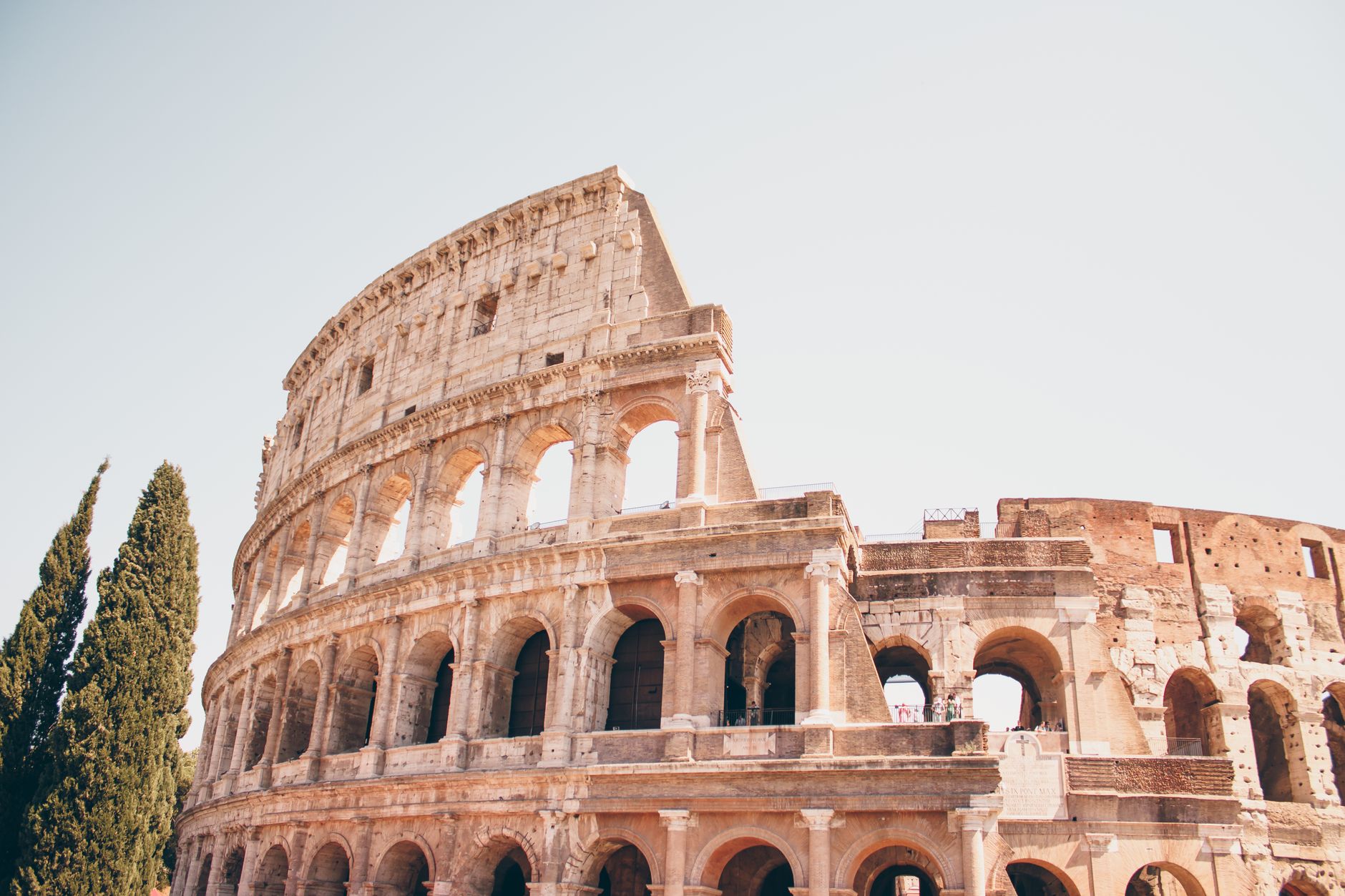
Rome, the Eternal City, is a vibrant blend of history, art, and culture. With three days to explore, you can experience its iconic landmarks, savor delicious Italian cuisine, and immerse yourself in its rich history. This guide will help you maximize your time and uncover the best sights and activities that Rome has to offer.
Whether you are an art aficionado, a history buff, or a food lover, Rome is a destination that caters to all interests. From ancient ruins to charming piazzas, this itinerary is packed with must-see attractions to ensure you make the most of your visit.
What To See In Rome In 3 Days?
In just three days, visitors can explore major sites such as the Colosseum, Vatican City, and the Pantheon. This guide provides a well-structured itinerary that balances sightseeing and leisure, helping you fully enjoy Rome’s timeless charm.
Day 1: Ancient Rome
Begin your Roman adventure by diving into its ancient history. Day one primarily focuses on the iconic landmarks of Ancient Rome that are not to be missed.
Morning: The Colosseum and Roman Forum
- Colosseum: Kick off your day at the Colosseum, one of the world’s greatest architectural marvels and an emblem of ancient Rome. Aim to book a skip-the-line ticket or join a guided tour to maximize your experience.
- Roman Forum: After exploring the Colosseum, walk over to the nearby Roman Forum. This massive archaeological complex offers a glimpse into the political, social, and religious heart of ancient Rome.
Lunch: Trattoria Near the Forum
For a quintessential Roman lunch, head to a local trattoria near the Roman Forum. Try dishes like Cacio e Pepe or Carbonara, both classic Roman pastas.
Afternoon: Palatine Hill
Post-lunch, venture to Palatine Hill, the most famous of Rome’s seven hills. With sweeping views of the Forum and Circus Maximus, it’s a perfect spot for photography and offers fascinating archaeological sites.
Evening: Piazza Navona and Dinner
- Piazza Navona: Conclude your day at this beautiful square, known for its stunning Baroque architecture and lively atmosphere. Don’t forget to admire Bernini’s Fountain of Four Rivers.
- Dinner: For dinner, indulge at one of the nearby restaurants. Consider trying some local wines and gelato to celebrate your first day in Rome.
Day 2: Vatican City and Trastevere
Your second day focuses on the spiritual and artistic treasures of Vatican City, followed by a wander through the charming neighborhood of Trastevere.
Morning: Vatican Museums and St. Peter’s Basilica
- Vatican Museums: Start early with a visit to the Vatican Museums. Booking a guided tour is advisable to access the highlights, including the Sistine Chapel, without long queues.
- St. Peter’s Basilica: After the museums, visit St. Peter’s Basilica, one of the largest and most stunning churches in the world. Do not miss Michelangelo’s Pietà and the climb to the dome for panoramic views of the city.
Lunch: Local Eatery in Vatican City
After immersing yourself in art and spirituality, find a cozy eatery nearby for lunch. Traditional Roman pizzas and fresh salads will recharge you for the afternoon.
Afternoon: Explore Trastevere
After lunch, stroll across the Tiber River to Trastevere. This picturesque neighborhood is famous for its narrow, cobblestone streets, vibrant street art, and authentic atmosphere.
- Santa Maria in Trastevere: Visit one of Rome’s oldest churches, known for its stunning mosaics.
- Wandering the Streets: Take time to wander and explore local shops, or enjoy a coffee in one of the many charming piazzas.
Evening: Dinner in Trastevere
In the evening, Trastevere comes alive, making it the perfect spot for dinner. Choose a restaurant offering classic Roman dishes or sample some innovative Italian cuisine.
Day 3: Art, Culture, and Relaxation
Your final day in Rome focuses on art, culture, and relaxation, allowing you to experience the city at a leisurely pace.
Morning: Galleria Borghese
Start your day at the Galleria Borghese, located in the beautiful Villa Borghese park. Renowned for its collection of Caravaggio, Bernini, and Raphael masterpieces, purchasing tickets in advance is highly recommended.
Lunch: Picnic in Villa Borghese
After your museum visit, enjoy a picnic in the expansive Villa Borghese gardens. You can either grab takeout from a local deli or prepare a spread yourself if staying in accommodation with kitchen facilities.
Afternoon: Pantheon and Piazza Venezia
- Pantheon: Head over to the Pantheon, an architectural masterpiece that has stood for nearly 2,000 years. Entry is free, but consider a guided audio tour for added context.
- Piazza Venezia: Afterward, wander to Piazza Venezia and take in the stunning view of the Altare della Patria. This monument, dedicated to King Victor Emmanuel II, is an essential part of the city’s history.
Evening: Sunset at the Spanish Steps
On your final evening, make your way to the Spanish Steps. It’s a perfect place to unwind and soak in Rome’s vibrant atmosphere as the sun starts to set.
- Dinner in the Area: For your last dinner, choose a restaurant within walking distance of the steps that offers exquisite Italian cuisine. A rooftop location could enhance your dining experience.
Transportation in Rome
Getting around Rome is relatively straightforward and can be accomplished using various modes of transportation:
- Walking: For a city as compact as Rome, walking is often the best way to explore. Many attractions are close together, and wandering through the streets can lead to delightful discoveries.
- Metro: Rome has an efficient metro system that covers most of the city. It’s advisable to buy a day pass if you plan to use it frequently.
- Buses and Trams: The bus and tram systems operate extensively. Make sure to check schedules for routes that connect to key sites.
- Taxis and Ride-Sharing: Taxis are available throughout the city, and services like Uber operate in a limited capacity.
Accommodation Options in Rome
Finding the right accommodation is key to a pleasant stay in Rome. Here’s a breakdown of options based on different traveler types:
- Luxury Hotels: For those seeking luxury, the Hassler Roma and Hotel de Russie are two top-tier options, nestled near the Spanish Steps.
- Mid-Range Hotels: Consider hotels like the Hotel Artemide, which offers comfortable accommodation with convenient access to the city’s main attractions.
- Boutique Hotels: If you prefer something unique, many boutique hotels in Trastevere provide an intimate experience.
- Budget Accommodations: Hostels or budget hotels like The Beehive can be found near Termini Station and offer affordable rates for backpackers.
When to Visit Rome
The best time to visit Rome is during the spring (April to June) and fall (September to October) when the weather is mild and tourist crowds are thinner.
- Summer: While summer (July and August) attracts many tourists, be prepared for high temperatures and longer lines at popular sites.
- Winter: If you visit in winter, you’ll enjoy fewer crowds, but some attractions may have reduced hours and closures.
Budget Considerations for Rome
Understanding the costs associated with your trip can help you plan effectively. Here’s a breakdown of potential expenses:
- Accommodation: Depending on your chosen area and type of accommodation, prices can range from €20 per night in hostels to over €400 in luxury hotels.
- Food: Meals can cost anywhere from €10-€30 at a mid-range restaurant, while street food or quick options can be as low as €5-€10.
- Attraction Tickets: Entry fees to sites like the Colosseum and Vatican Museums typically range from €10-€30, with guided tours costing more.
- Transportation: A single metro ticket costs about €1.50, while a day pass is around €7.
Accessibility, Family, and Safety Tips
Rome is usably accessible for most travelers, but here are some considerations:
- Accessibility: While major attractions have ramp access, cobbled streets may present challenges for wheelchair users. Research specific sites for accessibility options.
- Family Travel: Rome is family-friendly, with many parks and gelato shops. Choose child-friendly accommodations.
- Safety Tips: Remain vigilant against pickpockets, particularly in crowded areas. Opt for reputable taxi services, and avoid unlicensed drivers.
Final Thoughts
Spending three days in Rome provides ample opportunity to experience its rich history, vibrant culture, and delicious cuisine. With a well-planned itinerary, you can capture the essence of this magnificent city. Don’t forget your camera, as every corner is filled with postcard-perfect vistas!
Ready to explore Rome? Discover more about dining options by checking out the best restaurants in Italy and the best restaurants in Venice, Italy.